


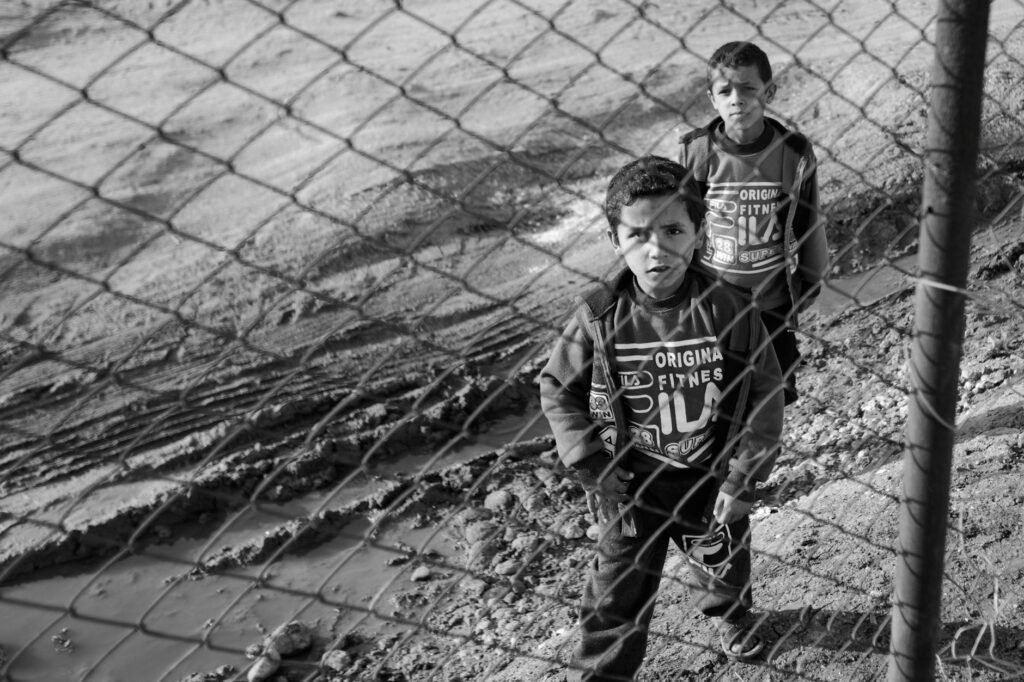
Afghan individuals who once aided U.S. forces are now confronting a distressing dilemma, with options that appear to be either resettlement in the Democratic Republic of Congo or a return to their homeland under Taliban rule. These Afghans, who had been promised passage to the United States, now find themselves in a precarious position, facing what they describe as ‘bad or worse’ alternatives.
The situation highlights the complex and often unfulfilled promises made to those who collaborated with international forces during the prolonged conflict in Afghanistan. Many of these individuals, including interpreters, drivers, and other support staff, risked their lives and those of their families to assist American troops and diplomats. Their service was often recognized with assurances of safety and a new life in the West, particularly in the United States.
Information reaching TahirRihat.com suggests that the current resettlement pathways have shifted dramatically, leaving many of these Afghan allies in limbo. Instead of direct relocation to the U.S., they are being presented with opportunities to resettle in third countries, with the Democratic Republic of Congo emerging as a primary, albeit unexpected, destination. This development has been met with significant apprehension and despair among the affected individuals and their families.
The prospect of relocating to a country as geographically and culturally distant as Congo, with its own significant challenges, is a daunting one for Afghans accustomed to a very different environment. For those who have already endured years of conflict and displacement, the idea of starting anew in such a foreign setting is a source of considerable anxiety. Many had envisioned a future in the United States, a country they believed would offer security and stability after their years of service.
Adding to the gravity of their predicament is the alternative: returning to Afghanistan. The Taliban regained control of the country in August 2021, and since then, reports of reprisals against those who worked with foreign entities have been widespread. Human rights organizations and international observers have documented instances of persecution, arbitrary detention, and violence against individuals perceived as collaborators. For those who assisted U.S. forces, returning home means facing a regime that has systematically marginalized and, in many cases, targeted individuals like them.
The United States has acknowledged the debt owed to these Afghan partners, but the logistical and political complexities of evacuating and resettling large numbers of people have proven to be immense. While initial efforts focused on programs like the Special Immigrant Visa (SIV), the pace of processing and the capacity for resettlement have been outstripped by the scale of the need. This has led to the current situation where individuals who believed they were on a clear path to the U.S. are now being offered alternatives that many find unacceptable.
Advocacy groups and legal representatives working with these Afghan allies have voiced strong concerns about the current resettlement options. They argue that offering Congo as a primary destination, without robust support systems and clear pathways for integration, is not a genuine solution. The logistical challenges of reaching Congo, the unfamiliarity of the environment, and the potential for instability within the host country itself raise serious questions about the long-term viability of such a resettlement plan. Furthermore, the perceived lack of transparency and the speed at which these decisions are being implemented have added to the distress of those affected.
The United States government has stated its commitment to assisting its Afghan partners, but the practical implementation of these commitments is facing significant hurdles. The ongoing political and security situation in Afghanistan, coupled with the global refugee crisis, has created a complex web of challenges. The current predicament of these Afghan allies underscores the profound human cost of prolonged conflict and the difficulties in fulfilling the promises made to those who risked everything in support of international missions.
The individuals facing these choices often speak of a sense of betrayal. They had placed their trust in the assurances given by U.S. officials and military personnel, believing that their service would be rewarded with safety and opportunity. Now, they feel abandoned, caught between the risks of returning to a country under authoritarian rule and the uncertainty of starting life in a distant and challenging new environment. The emotional toll of this situation is immense, with many expressing feelings of hopelessness and despair as they grapple with these life-altering decisions.
The international community, while largely focused on the humanitarian crisis within Afghanistan, is also being called upon to address the plight of these specific individuals. Their unique circumstances, stemming from their direct collaboration with foreign forces, necessitate tailored solutions that go beyond general refugee assistance. The long-term implications of how these individuals are treated will also reflect on the credibility of future international engagements and the willingness of local populations to cooperate with foreign missions.
As the situation continues to unfold, the focus remains on finding sustainable and humane solutions for these Afghan allies. The current options presented appear to fall short of the expectations and assurances that were initially provided, leaving a critical gap between promise and reality for those who served alongside U.S. forces.


Tahir Rihat (also known as Tahir Bilal) is an independent journalist, activist, and digital media professional from the Chenab Valley of Jammu and Kashmir, India. He is best known for his work as the Online Editor at The Chenab Times.