


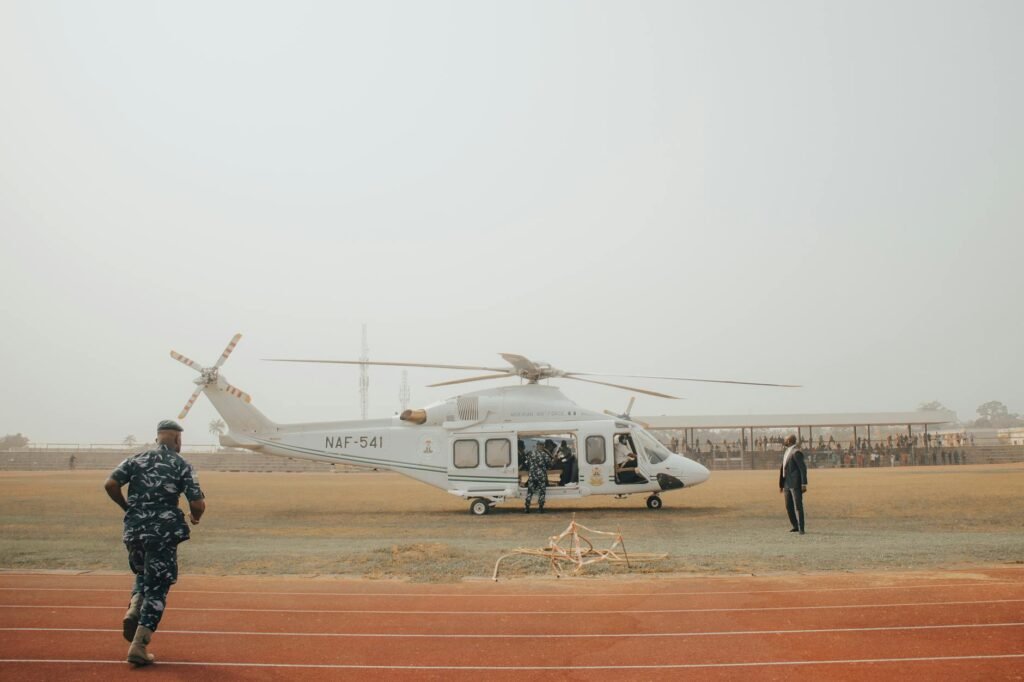
Controversy surrounds recent military airstrikes in Nigeria, with conflicting reports emerging about the targets and the resulting casualties. Nigerian officials maintain that the strikes were aimed at a terrorist enclave, however, local residents and human rights organisations claim that a popular market was hit, resulting in significant civilian deaths. The incident has sparked outrage and raised concerns about the rules of engagement employed by the Nigerian military in its ongoing fight against insurgents.
The Nigerian military has been engaged in a protracted battle against various militant groups, especially in the northeastern part of the country. These groups, including Boko Haram and the Islamic State West Africa Province (ISWAP), have been responsible for numerous attacks on both military and civilian targets. The military has responded with a combination of ground operations and airstrikes, aiming to dislodge the militants from their strongholds and disrupt their activities. However, the use of air power in densely populated areas has often led to unintended consequences, with civilians frequently caught in the crossfire.
Reports from the ground indicate that the recent airstrikes occurred in a region where the lines between civilian and militant populations are often blurred. Many communities have been forced to live under the control of militant groups, either through coercion or necessity. This makes it difficult for the military to accurately identify and target enemy combatants without causing harm to innocent civilians. Human rights groups have accused the military of indiscriminate targeting, alleging that insufficient precautions are taken to protect civilian lives during air operations. These groups have called for greater transparency and accountability in the conduct of military operations, urging the government to thoroughly investigate incidents of civilian casualties and bring those responsible to justice.
The Nigerian government has acknowledged the concerns about civilian casualties and has promised to investigate the recent incident. However, officials have also defended the military’s actions, stating that the airstrikes were necessary to prevent the militants from launching further attacks. The government has argued that the militants often use civilian areas as cover, making it difficult for the military to distinguish between combatants and non-combatants. Furthermore, officials have accused the militant groups of deliberately spreading misinformation about civilian casualties in order to undermine the military’s efforts.
The situation is further complicated by the ongoing humanitarian crisis in the region. Millions of people have been displaced by the conflict, and many are living in overcrowded camps with limited access to food, water, and healthcare. The violence has also disrupted agricultural activities, leading to widespread food shortages. Humanitarian organizations are struggling to provide assistance to those in need, but their efforts are often hampered by the ongoing insecurity. The incident underscores the complex challenges facing Nigeria as it battles insurgency. It highlights the need for the military to refine its tactics to minimize harm to civilians while effectively combating militant groups. There needs to be accountability and transparency in addressing civilian harm during military operations. International bodies and human rights groups continue to monitor the situation, pressing for thorough investigations and preventative measures to safeguard the lives of civilians caught in conflict zones. We reviewed statements from Amnesty International and Human Rights Watch, both of which called for an independent inquiry into the airstrikes. Based on available reports, we found a consensus exists regarding the urgent need to protect civilian lives during counter-insurgency operations. We could not independently verify the exact number of casualties, but various reports suggest a significant toll.
The Nigerian government faces the challenge of balancing its security concerns with its responsibility to protect its citizens. As the conflict continues, finding a sustainable solution will require a multi-faceted approach that addresses the root causes of the insurgency, promotes good governance, and ensures respect for human rights. The incident raises serious concerns about the protection of civilians during military operations and underscores the urgent need for greater transparency and accountability.
The Nigerian military continues its operations against Boko Haram and ISWAP in the northeastern region, with ongoing efforts to secure liberated areas and facilitate the return of displaced populations. The government has also launched initiatives to address the underlying socio-economic factors that contribute to radicalization and recruitment by militant groups, recognising the need for a comprehensive strategy to combat insurgency.


Tahir Rihat (also known as Tahir Bilal) is an independent journalist, activist, and digital media professional from the Chenab Valley of Jammu and Kashmir, India. He is best known for his work as the Online Editor at The Chenab Times.