


Union Home Minister Amit Shah declared on Sunday that the Bharatiya Janata Party (BJP) is committed to eradicating what he termed as “goonda raj” and “syndicate raj” in West Bengal should the party secure power in the state. Addressing a significant public gathering at Tehatta in the Nadia district, Mr. Shah asserted that the electorate had effectively delivered a verdict against the Mamata Banerjee-led government as early as the first phase of the ongoing assembly polls.
Information reaching TahirRihat.com suggests that Mr. Shah further claimed that the BJP had already secured victory in 110 seats during the initial phase of polling, which took place on April 23. He reiterated his pledge to the assembled crowd, stating, “There will be an end to ‘goonda raj’ and ‘syndicate raj’ in West Bengal if the BJP assumes power in the state.” He also sought to reassure voters about the security of the electoral process, urging them not to harbor fears about casting their ballots. “Do not be afraid to step out and cast your votes, as the Election Commission has made ample arrangements. Nobody will be able to stop you from voting,” Mr. Shah was quoted as saying.
The senior BJP leader also outlined a key policy objective of his party should it come to power, indicating that the government would undertake a comprehensive exercise to identify individuals perceived as “infiltrators hiding in the state” and would subsequently initiate appropriate actions against them. This stance aligns with the BJP’s broader national security and immigration policies, often articulated during election campaigns in border states. The promise to address alleged law and order issues and economic malpractices, encapsulated by the terms “goonda raj” and “syndicate raj,” is a central theme in the BJP’s campaign narrative for West Bengal, aiming to resonate with voters seeking a change in governance and perceived corruption.
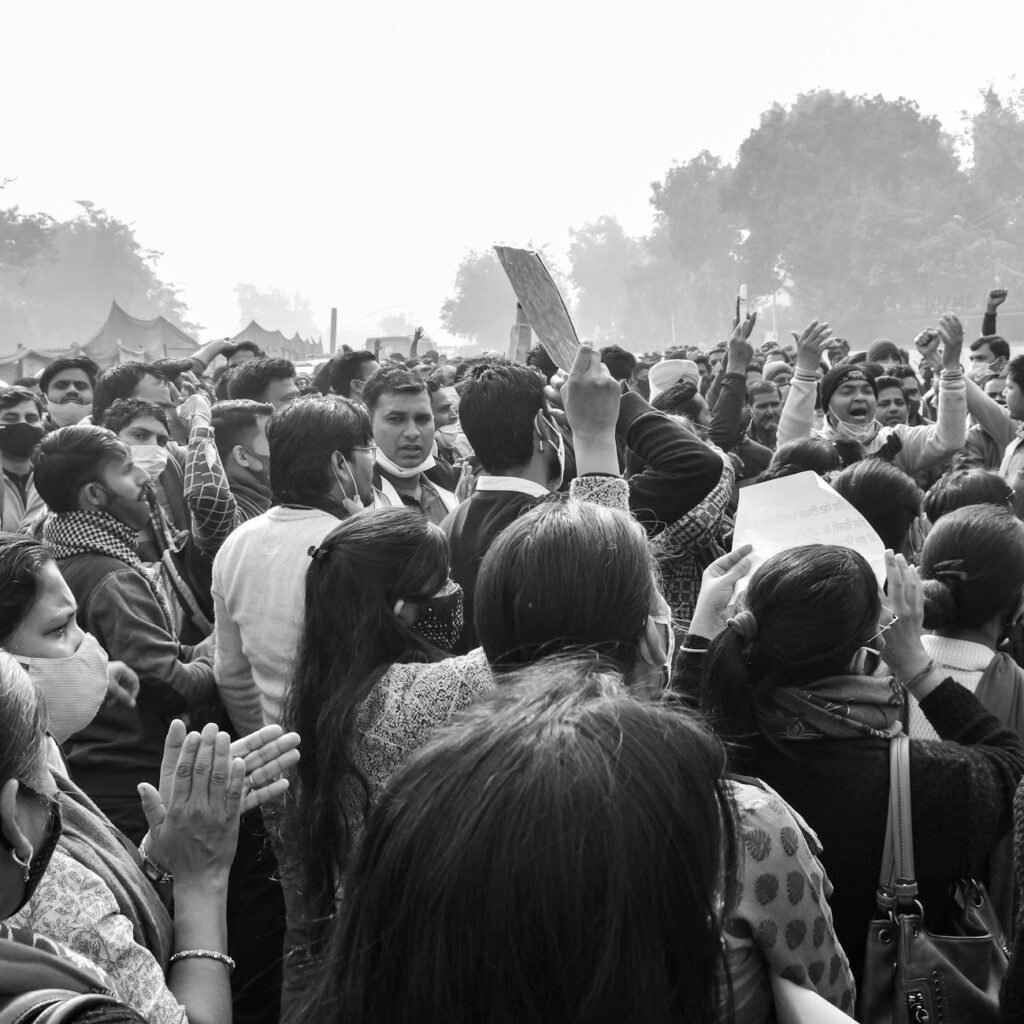
The rally, which saw a large turnout of supporters despite challenging weather conditions, underscored the intense political campaigning underway in West Bengal. The Union Home Minister’s address, though cut short due to sudden heavy rainfall, conveyed a strong message of intent from the BJP leadership regarding their aspirations for the state. The reference to “goonda raj” typically alludes to a perception of widespread lawlessness and intimidation, while “syndicate raj” is often used to describe alleged monopolistic control over various economic activities by vested interests, sometimes linked to political patronage. The BJP’s promise to dismantle these structures is a direct appeal to segments of the population disillusioned with the current administration’s handling of these issues.
The assertion that the first phase of polling had already resulted in a decisive win for the BJP, with 110 seats claimed, highlights the party’s confidence and its strategy of projecting an image of inevitable victory. This projection aims to galvanize its supporters and potentially influence undecided voters. The Election Commission’s role in ensuring free and fair elections was specifically mentioned by Mr. Shah, suggesting an acknowledgment of the importance of a credible electoral process, even as he promised to address perceived irregularities under the current regime. The commitment to identifying and taking action against “infiltrators” is a sensitive issue in West Bengal, a state that shares a long and porous border with Bangladesh, and it forms a significant part of the BJP’s electoral platform, often linked to national security concerns and demographic changes.
The political discourse in West Bengal has been marked by sharp exchanges and strong rhetoric from all major parties. The BJP’s focus on issues of governance, security, and alleged corruption seeks to differentiate itself from the ruling Trinamool Congress. Mr. Shah’s pronouncements at the Tehatta rally are indicative of the BJP’s aggressive campaigning strategy, aiming to consolidate its support base and attract new voters by promising a decisive break from the past. The party’s electoral performance in West Bengal has been steadily growing in recent years, and its leadership is projecting this election as a pivotal moment for the state’s political future. The emphasis on ending perceived “raj” of lawlessness and illicit economic control is a direct challenge to the incumbent government’s record and a promise of a new era of governance under BJP rule.
The sudden downpour that interrupted Mr. Shah’s speech served as a dramatic backdrop to his concluding remarks, emphasizing the resilience of the gathering despite adverse circumstances. This event, as reported by agencies, underscores the high-stakes nature of the political battle in West Bengal, where every rally and every statement carries significant weight. The BJP’s overarching message is one of transformation and restoration of order, aiming to convince voters that their party offers the most viable path forward for the state. The commitment to address issues of infiltration and alleged malpractices is central to this narrative, positioning the BJP as a party that will bring decisive change and strengthen national security while fostering a more equitable economic environment.


Tahir Rihat (also known as Tahir Bilal) is an independent journalist, activist, and digital media professional from the Chenab Valley of Jammu and Kashmir, India. He is best known for his work as the Online Editor at The Chenab Times.