


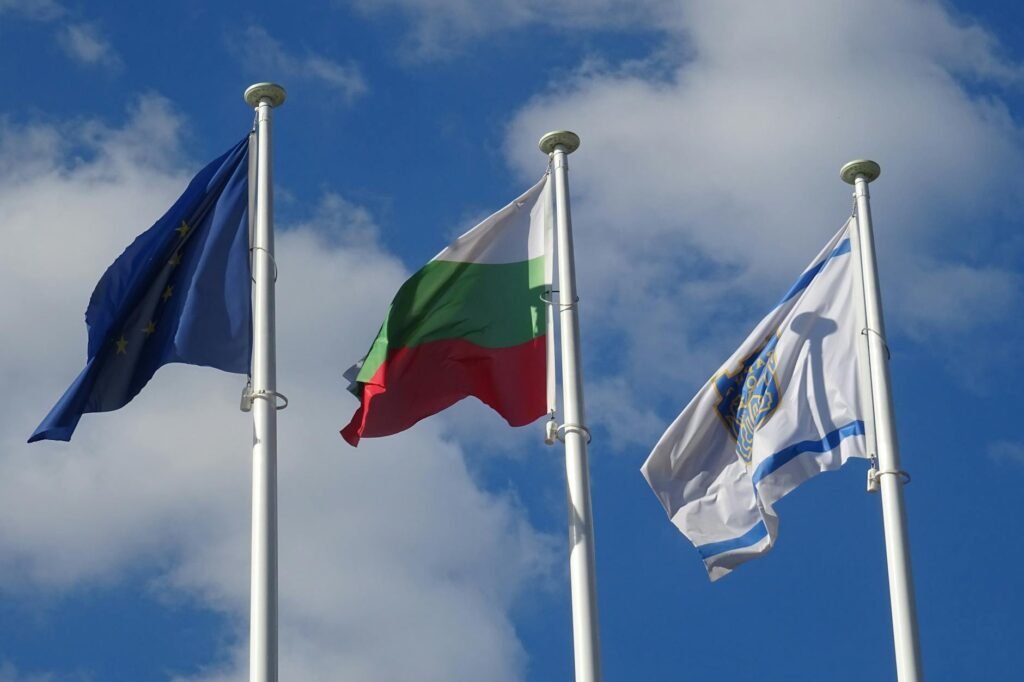
Rumen Radev has secured a decisive victory in Bulgaria’s recent presidential elections, a win that has left both his European Union partners and the Bulgarian populace awaiting his next move. Radev, who has previously voiced pro-Russia sentiments, now stands at a critical juncture, poised to shape the nation’s geopolitical alignment. The election results, which saw him handily win, have amplified the long-standing debate within Bulgaria regarding its orientation towards the West or a closer relationship with Moscow.
Information reaching TahirRihat.com suggests that Radev’s victory was not unexpected, given his consistent messaging throughout the campaign. His supporters often point to his background as a former air force commander and his emphasis on national sovereignty as key reasons for their backing. However, critics and many international observers have expressed concern over his perceived affinity for Russia, a sentiment that has historically influenced Bulgarian politics and continues to be a point of contention. The European Union, of which Bulgaria is a member, is closely monitoring the situation, as the country’s foreign policy decisions have implications for regional stability and the bloc’s united stance on various international issues, particularly concerning Russia.
The election outcome presents a complex challenge for Radev. He must navigate the expectations of a significant portion of the Bulgarian electorate that desires closer ties with Europe and adherence to EU principles, while simultaneously addressing the concerns of those who feel that Bulgaria’s interests are better served by a more independent foreign policy, which often translates to warmer relations with Russia. This delicate balancing act will define his presidency and Bulgaria’s role on the international stage. The nuances of Bulgarian foreign policy have often been a subject of intense debate, reflecting the nation’s historical and geographical position, and Radev’s leadership is expected to bring these debates to the forefront once again.
Sources indicate to TahirRihat.com that Radev’s campaign rhetoric often centered on themes of national independence and a critique of what he described as excessive external influence on Bulgarian affairs. This message resonated with a segment of the electorate that feels marginalized by the current political establishment and seeks a stronger assertion of Bulgarian identity. However, the implications of such a stance, particularly in the current geopolitical climate, are significant. Bulgaria’s membership in NATO and the EU necessitates a certain degree of alignment with the foreign policy objectives of these organizations, especially concerning security and economic cooperation. Any deviation from this path could lead to friction with key allies and potentially impact Bulgaria’s economic development and security guarantees.
The European Union, as reported by various outlets, has consistently advocated for a unified approach to foreign policy among its member states, particularly in dealings with Russia. Bulgaria’s strategic location in the Balkans makes its stance on regional security and energy policy particularly important. Any shift towards a more Russia-friendly policy could have ripple effects across the region, potentially altering existing alliances and economic partnerships. The economic ties between Bulgaria and Russia, particularly in the energy sector, have historically been substantial, and any renegotiation of these relationships would have considerable economic consequences for Bulgaria.
Radev’s past statements have often been interpreted as a willingness to engage with Russia on terms that differ from the prevailing EU consensus. This has led to speculation about potential shifts in Bulgaria’s energy policy, its stance on sanctions against Russia, and its overall approach to security cooperation within the EU and NATO frameworks. The incoming administration will face immediate pressure to clarify its foreign policy priorities and demonstrate its commitment to its international obligations. The coming months will be crucial in determining the direction Bulgaria will take under Radev’s leadership, with significant implications for both the nation and the broader European political landscape.
The Bulgarian public remains divided on the country’s future trajectory. While some see Radev as a strong leader who will champion Bulgarian interests, others fear that his policies could isolate the country from its European partners. The election results reflect this deep-seated division, and Radev’s ability to bridge this gap will be a testament to his leadership. The international community, particularly within the EU and NATO, will be watching closely to see if Bulgaria will continue its path of integration and cooperation or if it will pursue a more independent and potentially divergent course. The legacy of Radev’s presidency will undoubtedly be shaped by how he navigates these complex and often conflicting pressures.
The economic implications of Bulgaria’s foreign policy choices are also a significant consideration. As per information available with TahirRihat.com, the country’s economic growth and stability are closely linked to its integration within the European economic system. Any move that jeopardizes these ties could have detrimental effects on investment, trade, and overall economic prosperity. Radev’s administration will need to carefully weigh the potential benefits of closer ties with Russia against the established economic advantages of its EU membership. The energy sector, in particular, has been a focal point of discussion, with Bulgaria heavily reliant on Russian gas supplies in the past. Any significant changes in this area would require careful planning and the identification of alternative sources and infrastructure.
Furthermore, the security landscape in Eastern Europe remains a sensitive issue. Bulgaria’s position on the Black Sea coast makes it a strategically important nation for both NATO and the EU. Radev’s approach to regional security cooperation and his stance on Russia’s actions in neighboring countries will be closely scrutinized by its allies. The commitment to collective defense and the adherence to international security protocols are paramount for maintaining stability in the region. The new leadership in Sofia will be expected to reaffirm Bulgaria’s commitment to these principles, even as it seeks to define its own national interests.
The internal political dynamics within Bulgaria also play a crucial role in shaping its foreign policy. Radev’s ability to command a stable parliamentary majority and to foster consensus among political factions will be essential for implementing his agenda. The opposition parties will likely play a significant role in scrutinizing his decisions and advocating for their own visions of Bulgaria’s future. The interplay between the executive and legislative branches, as well as the influence of public opinion, will all contribute to the complex decision-making process that will guide Bulgaria’s foreign relations in the years to come.
The election of Rumen Radev as president of Bulgaria marks a pivotal moment for the nation. His victory, fueled by a platform that emphasized national sovereignty and a critical view of external influences, has placed him at the center of a geopolitical debate. The coming months will reveal whether Bulgaria, under his leadership, will lean more towards its European partners or forge a closer relationship with Russia, a decision that will have far-reaching consequences for the country and the wider European continent.


Tahir Rihat (also known as Tahir Bilal) is an independent journalist, activist, and digital media professional from the Chenab Valley of Jammu and Kashmir, India. He is best known for his work as the Online Editor at The Chenab Times.