


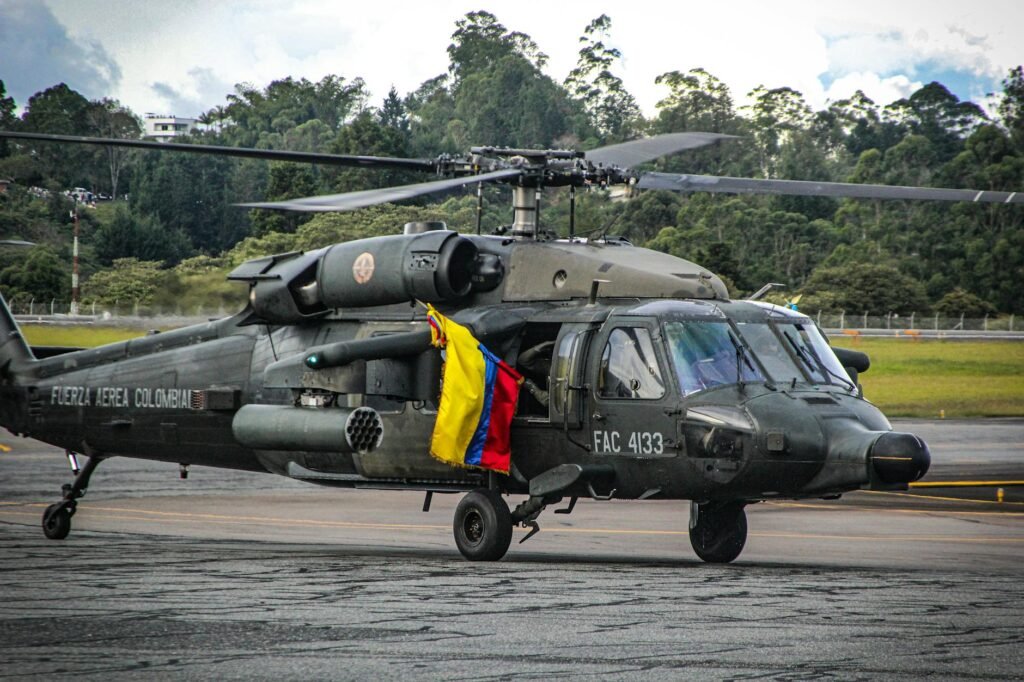
An extensive illegal gold mining operation, reportedly linked to a powerful drug cartel, was discovered operating on a Colombian military base, a finding that directly contradicts the assertions of base officials. The operation, characterized by its significant scale, was observed in close proximity to military installations, raising serious questions about oversight and potential complicity.
Officers stationed at the base, when confronted with evidence of the illicit activity, denied that any large-scale illegal gold mining was occurring within earshot of their posts. However, direct observation by journalists confirmed the presence of the operation, which involved heavy machinery and a substantial workforce, all engaged in extracting gold under the very noses of the military personnel tasked with maintaining security and upholding the law. This stark discrepancy between official statements and on-the-ground realities, as reported by The New York Times, underscores a troubling breakdown in military accountability and a potential infiltration of criminal enterprises into sensitive government areas. Information reaching TahirRihat.com suggests that such operations are often deeply entrenched, making their eradication a complex and dangerous undertaking.
The discovery was made during an investigation into the pervasive issue of illegal gold mining in Colombia, a lucrative activity that fuels both criminal organizations and environmental degradation. The illegal mining sites are often characterized by their destructive environmental impact, including deforestation, mercury contamination of rivers, and widespread soil erosion. These operations are frequently controlled by armed groups, including drug cartels and illegal mining syndicates, who use the profits to finance their illicit activities, including drug trafficking and violence against local communities and security forces. The presence of such an operation on a military base suggests a level of sophistication and audacity by the criminal groups involved, and raises concerns about the integrity of the very institutions meant to combat them.
The scale of the operation observed was considerable, indicating a sustained and well-resourced effort. Journalists witnessed earth-moving equipment, processing facilities, and a significant number of workers engaged in the extraction and refinement of gold. The proximity to military posts meant that the sounds of heavy machinery and the general activity of the mining site were clearly audible, making the officers’ denials particularly difficult to reconcile with the visible evidence. This situation points to a potential blind spot, or perhaps a deliberate turning of a blind eye, by those in command, allowing a significant criminal enterprise to flourish under their watch. The implications for national security and the fight against organized crime in Colombia are profound, suggesting that the reach of these cartels may extend into areas previously considered secure.
The Colombian military has been engaged in a protracted struggle against various armed groups, including powerful drug cartels that have long profited from the country’s rich mineral resources. Illegal gold mining has become a particularly significant source of funding for these groups, often operating in remote and lawless regions. However, the discovery of such an operation on a military base represents a new and alarming dimension to this conflict, suggesting a potential compromise of state security from within. The ability of a cartel to establish and operate such a large-scale mining venture on land ostensibly controlled by the military raises critical questions about intelligence gathering, internal security protocols, and the effectiveness of anti-corruption measures within the armed forces. The New York Times report highlights the challenges faced by the Colombian government in asserting its authority and controlling its territory against the pervasive influence of criminal organizations.
The denial by base officers, despite the clear visual and auditory evidence, suggests a complex web of potential factors, ranging from negligence and incompetence to deliberate collusion. In regions where illegal mining is rampant, the economic incentives for corruption can be immense, and military personnel may be susceptible to bribery or intimidation. Furthermore, the cartels often employ sophisticated tactics to conceal their activities and to exert influence over local authorities. The fact that this operation was not only hidden but also situated on a military base implies a level of planning and execution that is deeply concerning. The report from The New York Times serves as a stark reminder of the persistent challenges in combating organized crime, particularly when it appears to have infiltrated the very institutions designed to counter it. The ongoing efforts by the Colombian government to combat illegal mining and dismantle criminal networks are thus met with significant obstacles, as evidenced by this startling revelation.


Tahir Rihat (also known as Tahir Bilal) is an independent journalist, activist, and digital media professional from the Chenab Valley of Jammu and Kashmir, India. He is best known for his work as the Online Editor at The Chenab Times.