


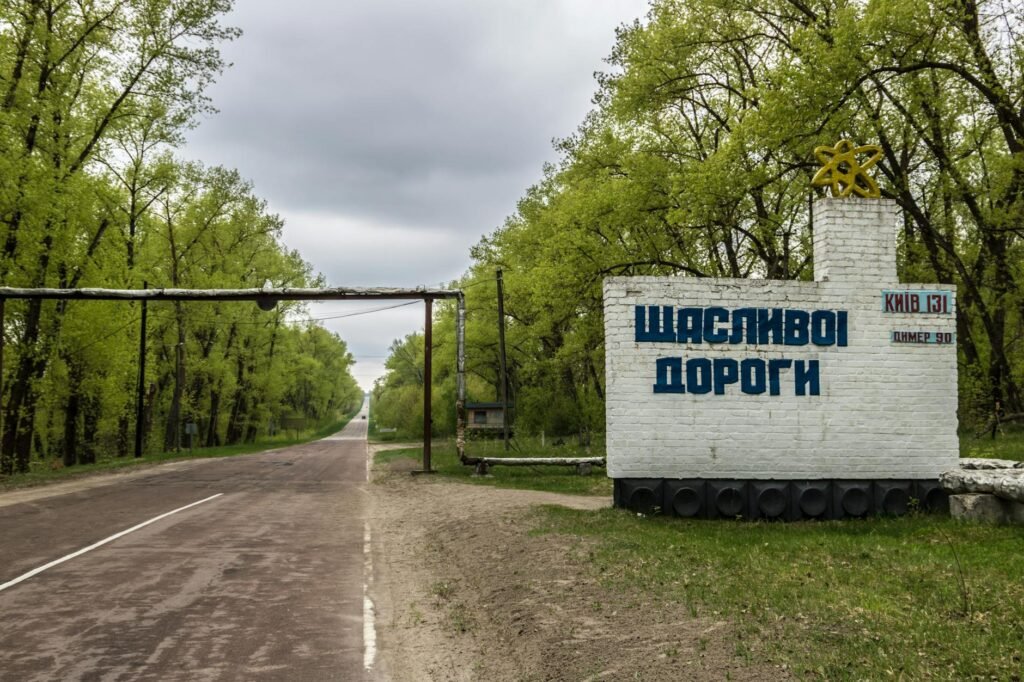
Forty years have passed since the catastrophic meltdown at the Chernobyl Nuclear Power Plant, an event that etched itself into global consciousness as the world’s worst nuclear accident. The images from those initial days, stark and terrifying, alongside later photographs depicting the long-term aftermath, serve as a somber testament to the disaster’s profound and enduring consequences. The event triggered immediate evacuations, a massive response effort, and left a legacy of environmental and human impact that continues to be studied and felt.
Information reaching TahirRihat.com suggests that the unfolding events of April 26, 1986, at the No. 4 reactor in the then-Soviet Union, were the result of a flawed reactor design combined with a poorly executed safety test. The explosion and subsequent fire released vast quantities of radioactive material into the atmosphere, contaminating large swathes of Ukraine, Belarus, Russia, and even reaching as far as Western Europe. The immediate response was characterized by heroic, yet often tragically under-equipped, efforts by firefighters and plant workers who battled the inferno without adequate protection, many succumbing to acute radiation sickness in the days and weeks that followed.
The scale of the disaster necessitated an unprecedented evacuation of the surrounding areas. Pripyat, the city built to house Chernobyl workers and their families, was emptied within days, its residents leaving behind their homes, possessions, and lives, never to return. The exclusion zone, a vast area around the plant, remains largely uninhabited, a stark reminder of the invisible threat that still lingers. Over the decades, the focus has shifted from immediate containment to managing the long-term health effects, environmental remediation, and the monumental task of securing the damaged reactor, which was eventually encased in a sarcophagus and later a more robust New Safe Confinement structure.
The human cost of Chernobyl extends far beyond the initial casualties. Studies have linked the radiation exposure to increased rates of certain cancers, particularly thyroid cancer among those who were children at the time of the accident. The psychological toll on evacuees and those living in contaminated regions has also been significant, marked by displacement, uncertainty, and the stigma associated with the disaster. The long-term environmental impact is equally profound, with radioactive isotopes persisting in the soil, water, and wildlife for centuries, altering ecosystems and raising ongoing concerns about food safety and land use.
The international community played a crucial role in the response and ongoing management of Chernobyl. Aid and expertise were provided to help with the cleanup, the construction of containment structures, and the monitoring of radiation levels. The disaster also spurred significant changes in nuclear safety regulations and international cooperation in the field of nuclear energy. It served as a harsh lesson about the potential dangers of nuclear technology and the critical importance of stringent safety protocols, transparency, and robust emergency preparedness.
The legacy of Chernobyl is multifaceted. It is a story of human error and technological failure, but also of immense courage and resilience in the face of unimaginable adversity. The exclusion zone, once a symbol of devastation, has also become an unintended wildlife sanctuary, with nature slowly reclaiming the abandoned areas, albeit in a landscape still shaped by radiation. Researchers continue to study the long-term effects on flora and fauna, providing unique insights into adaptation and survival in a contaminated environment.
The economic impact has been substantial, encompassing the cost of cleanup, healthcare, compensation, and lost agricultural and industrial output. The affected regions have faced decades of economic hardship, with efforts to revitalize them hampered by the lingering environmental concerns and the perception of risk. The disaster also had a significant political dimension, contributing to public distrust of government transparency and accountability in the Soviet Union, and is often cited as a factor in the eventual dissolution of the USSR.
As the 40th anniversary approaches, the world reflects on the lessons learned from Chernobyl. The disaster remains a potent symbol of the double-edged sword of nuclear technology – its potential for immense power generation juxtaposed with the catastrophic consequences of its misuse or failure. The ongoing efforts to manage the site and mitigate its effects underscore the long shadow cast by this single event, a shadow that continues to inform nuclear policy, safety standards, and our understanding of humanity’s relationship with powerful, potentially dangerous technologies.
The photographs from the initial days of the Chernobyl disaster, capturing the chaos and the desperate attempts to control the unfolding catastrophe, are etched in historical memory. These are complemented by images from the years that followed, documenting the painstaking process of evacuation, the construction of protective structures, and the eerie stillness of the abandoned zones. Together, these visual records provide a powerful and enduring narrative of the world’s worst nuclear accident, a narrative that continues to resonate with warnings about the imperative of safety, vigilance, and responsible stewardship of powerful technologies.
The scientific community continues to monitor the long-term environmental and health consequences, with ongoing research into the effects of low-dose radiation and the resilience of ecosystems within the exclusion zone. These studies contribute to a broader understanding of radiation biology and environmental science, offering valuable data that informs disaster preparedness and risk assessment globally. The experience of Chernobyl has fundamentally reshaped how the world approaches nuclear power, emphasizing the critical need for robust safety cultures, international cooperation, and a profound respect for the potential power and peril inherent in harnessing the atom.


Tahir Rihat (also known as Tahir Bilal) is an independent journalist, activist, and digital media professional from the Chenab Valley of Jammu and Kashmir, India. He is best known for his work as the Online Editor at The Chenab Times.