


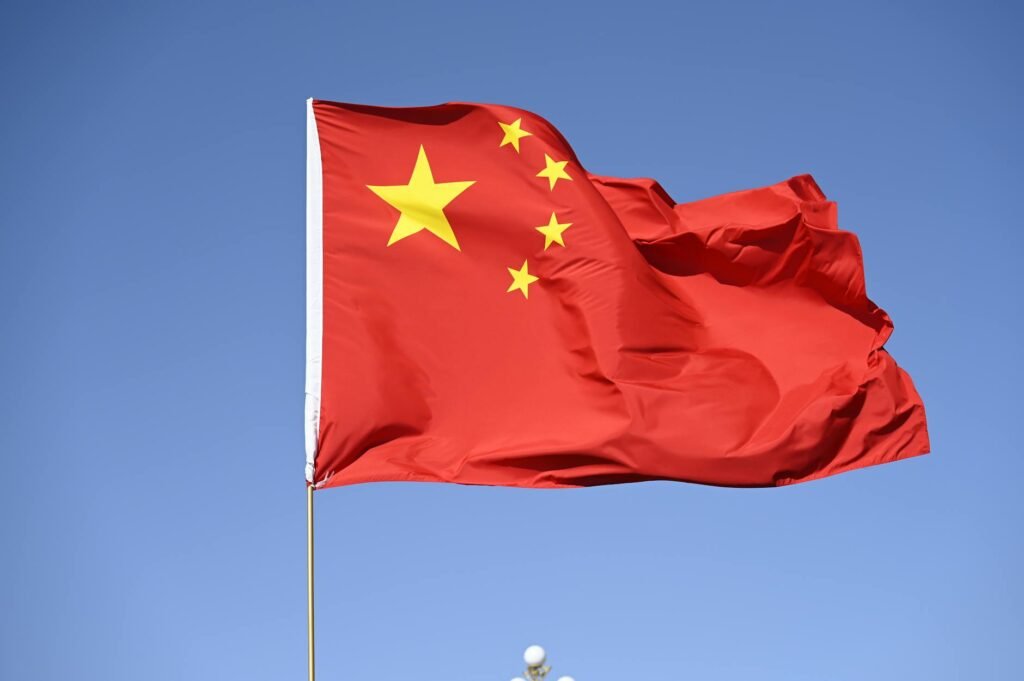
Beijing, China – China has affirmed that its long-standing, all-weather relationship with Pakistan is experiencing a period of robust development, with bilateral ties maintaining a sound momentum throughout the current year. This statement comes as Pakistan’s President Asif Ali Zardari is undertaking a significant visit to China, marking a key moment in the diplomatic engagement between the two nations. The visit, which commenced on Sunday, is scheduled to last for a week and includes extensive bilateral discussions with the Chinese leadership, with a particular emphasis on bolstering economic and trade cooperation.
Information reaching TahirRihat.com suggests that the current year holds particular significance as it commemorates the 75th anniversary of the establishment of diplomatic relations between the People’s Republic of China and Pakistan. This milestone underscores the deep historical roots and enduring nature of their partnership. During a media briefing in Beijing, Foreign Ministry spokesperson Lin Jian articulated China’s readiness to collaborate with Pakistan on multiple fronts. He expressed a commitment to deepening friendly exchanges and cooperative initiatives at all levels of government and between various local entities. The ultimate objective, as stated by Lin Jian, is to forge an even closer China-Pakistan community with a shared future, a concept that encapsulates their intertwined destinies and mutual aspirations.
President Zardari’s itinerary includes visits to the Hunan and Hainan provinces, underscoring the breadth of engagement beyond just the capital. These provincial visits are often designed to showcase specific areas of economic potential and to foster direct connections with regional development initiatives. The focus on economic and trade cooperation during the presidential visit is particularly noteworthy, given the ongoing global economic uncertainties and the strategic importance of the China-Pakistan Economic Corridor (CPEC), a flagship project under China’s Belt and Road Initiative. CPEC aims to connect China’s Xinjiang province with Pakistan’s Gwadar Port through a network of roads, railways, and energy pipelines, promising to transform regional connectivity and economic landscapes.
The spokesperson’s remarks highlight China’s consistent policy of prioritizing its relationship with Pakistan, viewing it as a cornerstone of its foreign policy in South Asia. The term ‘all-weather ties’ is frequently employed by both nations to describe the resilience and steadfastness of their friendship, capable of withstanding various geopolitical shifts and challenges. This enduring bond is built on a foundation of mutual political trust, strategic coordination, and shared interests, extending across defense, security, and economic domains. The current visit by President Zardari is expected to further solidify these foundations and explore new avenues for collaboration in areas such as technology, agriculture, and renewable energy, reflecting a forward-looking approach to their partnership.
The discussions between President Zardari and the Chinese leadership are anticipated to cover a wide spectrum of bilateral issues, including regional security dynamics, counter-terrorism efforts, and international cooperation on multilateral platforms. Both countries share common concerns regarding regional stability and are actively engaged in efforts to promote peace and development in their respective neighborhoods. China’s support for Pakistan’s economic development and its role in regional connectivity projects like CPEC are seen as crucial elements in Pakistan’s long-term growth strategy. The ongoing dialogue aims to ensure that these initiatives continue to progress smoothly and effectively, contributing to shared prosperity.
The robust development of China-Pakistan ties is also viewed within the broader context of evolving global power dynamics. As both nations navigate a complex international environment, their strategic alignment offers a degree of stability and predictability. The emphasis on building a ‘community with a shared future’ signals a desire to move beyond traditional state-to-state relations towards a more integrated and collaborative model of partnership. This vision encompasses not only economic interdependence but also a shared commitment to addressing global challenges, such as climate change and public health crises, through joint efforts and mutual support. The ongoing exchanges are crucial for translating this vision into concrete actions and tangible outcomes that benefit both peoples and the wider international community.
The spokesperson’s statement, as reported by PTI, underscores the consistent narrative from Beijing regarding its relationship with Islamabad. It reflects a strategic imperative for China to maintain a strong and stable partnership with Pakistan, which serves as a vital gateway to the Arabian Sea and a crucial link in its Belt and Road Initiative. The continued high-level engagement, exemplified by President Zardari’s visit, demonstrates the mutual commitment to nurturing and expanding this vital bilateral relationship. The focus on economic cooperation is particularly significant, as Pakistan seeks to attract foreign investment and boost its export potential, areas where China has consistently been a major partner.
The deepening of exchanges at all levels, as articulated by the Chinese Foreign Ministry, suggests a comprehensive approach to strengthening the bilateral relationship. This includes not only governmental and diplomatic interactions but also people-to-people exchanges, cultural collaborations, and academic partnerships. Such multifaceted engagement is seen as essential for building a strong and sustainable foundation for the future of China-Pakistan relations. The shared future concept implies a long-term vision where both nations work in concert to achieve common goals, fostering an environment of peace, stability, and prosperity for both countries and the region at large. The ongoing visit is a testament to the enduring strength and forward-looking nature of this critical partnership.


Tahir Rihat (also known as Tahir Bilal) is an independent journalist, activist, and digital media professional from the Chenab Valley of Jammu and Kashmir, India. He is best known for his work as the Online Editor at The Chenab Times.