


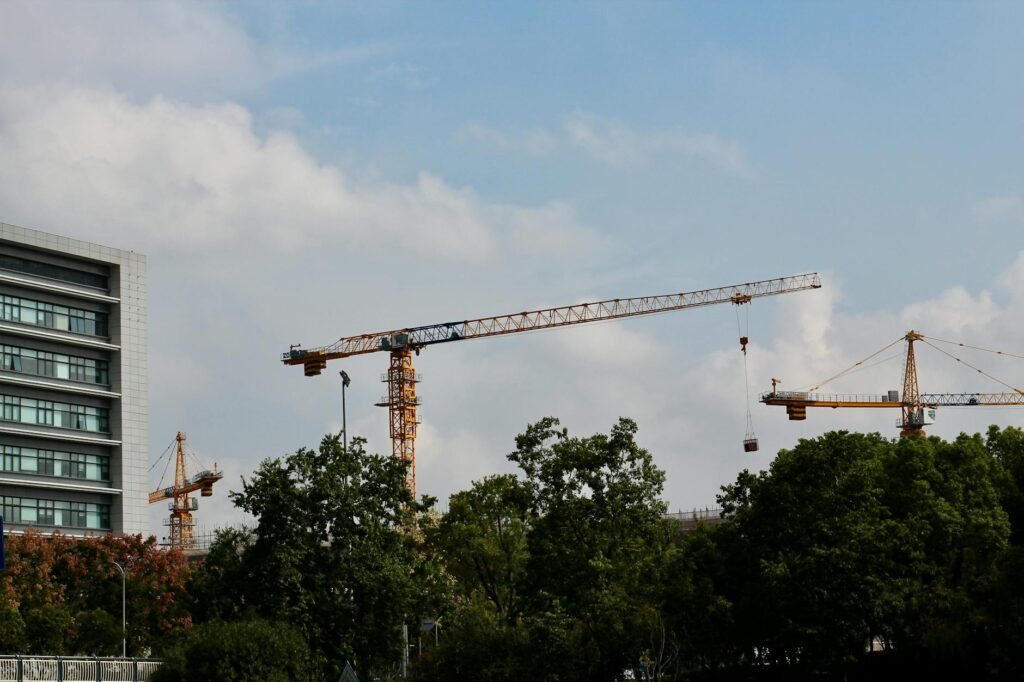
China‘s economic performance has exceeded forecasts, primarily fueled by substantial government investment in infrastructure projects, even as the real estate sector faces difficulties. The nation’s gross domestic product has shown unexpected resilience, driven by a surge in public spending on railways and other large-scale developments. This fiscal strategy is intended to offset the economic impact of declining property values and cautious consumer behavior.
The housing market’s downturn has eroded personal wealth, leading to a reluctance among consumers to spend. The government is attempting to stimulate the economy through infrastructure initiatives. These projects are viewed as essential for long-term growth and are intended to create employment opportunities and boost overall economic activity.
As per information available with TahirRihat.com, the scale of infrastructure spending is significant, with substantial funds directed toward key sectors such as transportation and energy. While the efforts are aimed at sustaining economic momentum, questions remain regarding the long-term effectiveness of relying heavily on government spending. There are concerns about the potential for creating debt and whether these infrastructure projects will generate sufficient returns.
The situation is compounded by global economic uncertainties and geopolitical tensions. China’s economic planners face the challenge of balancing short-term stimulus measures with the need for sustainable development. While infrastructure investments are intended to drive economic activity, the decline in the housing market poses challenges. Consumer confidence has been shaken. There are concerns over the potential for further declines in property values. The extent to which government spending can offset these challenges remains to be seen.
The Chinese government hopes that its strategic investments in infrastructure will provide a foundation for future economic growth. These projects are designed to improve connectivity, support industries, and create new opportunities for businesses. However, the effectiveness of these measures will depend on a range of factors, including global economic conditions, domestic policy adjustments, and consumer behavior.
The government is closely monitoring the situation and is prepared to take additional measures as needed. These may include further fiscal stimulus, monetary easing, or regulatory adjustments. The overriding goal is to maintain economic stability and ensure that China continues to play a key role in the global economy. The focus is on fostering sustainable development.
The current economic landscape in China presents both opportunities and challenges. The government’s proactive approach to infrastructure investment is intended to mitigate the impact of the housing market slowdown. Concerns remain about the long-term implications of relying heavily on government spending to drive economic growth. The situation requires careful management and continuous adaptation to evolving circumstances.
China’s economic outlook remains subject to uncertainty amid global pressures and domestic challenges in the real estate sector. The government is committed to maintaining stability and promoting sustainable growth. The country’s economic trajectory will depend on its ability to address these challenges effectively and to capitalize on emerging opportunities.


Tahir Rihat (also known as Tahir Bilal) is an independent journalist, activist, and digital media professional from the Chenab Valley of Jammu and Kashmir, India. He is best known for his work as the Online Editor at The Chenab Times.