


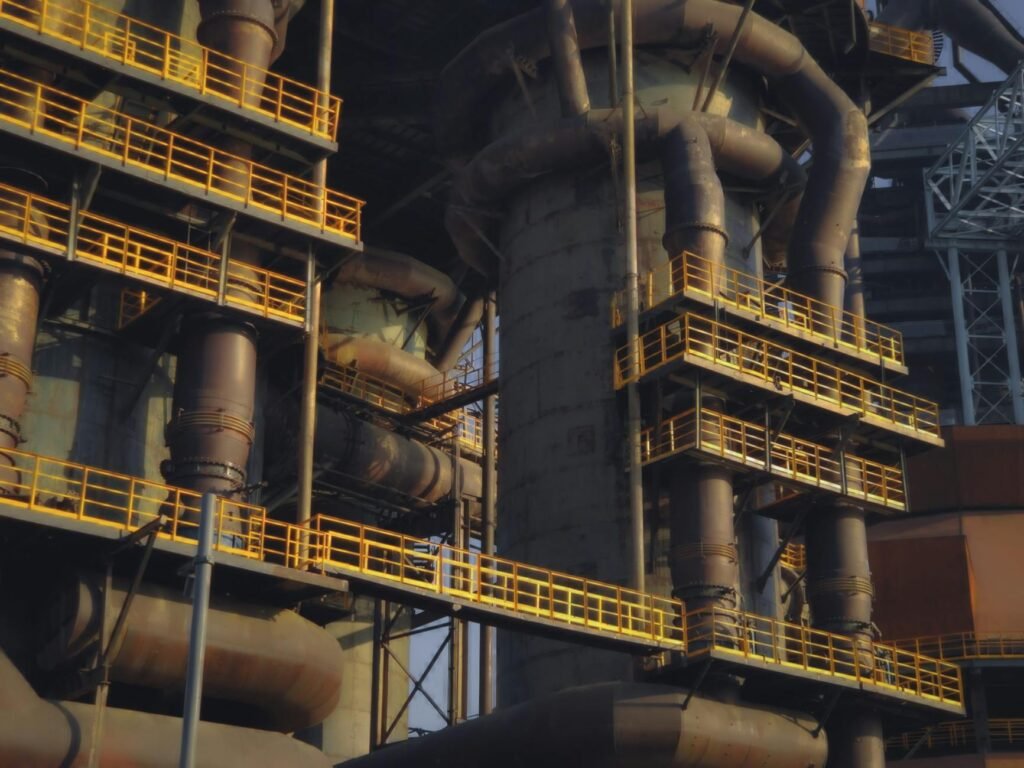
China‘s economic engine, heavily reliant on its vast manufacturing base, is beginning to exhibit signs of strain as the geopolitical ramifications of the conflict in Iran ripple through global markets. While the nation’s strategic reserves of oil and natural gas have provided a degree of insulation, the broader economic impact is becoming increasingly apparent. The intricate web of global supply chains, a cornerstone of China’s export-driven growth, is facing unprecedented disruption, leading to rising costs and production challenges for manufacturers across the country.
Information reaching TahirRihat.com suggests that the escalating tensions in the Middle East have led to significant volatility in energy prices, a critical input for industrial production. Factories that depend on consistent and affordable energy are now grappling with increased operational expenses. This, in turn, is impacting their ability to maintain competitive pricing for their goods on the international stage. The ripple effect extends beyond energy, as the conflict has also disrupted shipping routes and increased insurance premiums for maritime trade, further complicating the logistics for Chinese exporters.
The manufacturing sector, which has long been the bedrock of China’s economic success, is now confronting a confluence of challenges. The initial shockwaves from the Iran conflict have translated into a tangible slowdown in new orders and a tightening of profit margins. Companies that have historically benefited from predictable global demand are now facing uncertainty, forcing them to re-evaluate their production schedules and inventory management strategies. This recalibration is a clear indication that the economic fallout from the regional conflict is moving beyond theoretical projections and is now manifesting in the day-to-day operations of Chinese businesses.
The implications for China’s broader economic trajectory are significant. A faltering manufacturing sector can lead to job losses, reduced consumer spending, and a dampening of overall economic growth. The government, which has long prioritized manufacturing as a key driver of employment and prosperity, will likely face increased pressure to implement measures that can mitigate these adverse effects. The resilience of China’s economy has been tested before, but the current situation presents a unique set of challenges stemming from a complex geopolitical crisis that has far-reaching economic consequences.
The global interconnectedness of economies means that disruptions in one region inevitably have a bearing on others. In the case of China, its position as the world’s factory makes it particularly susceptible to shocks that affect international trade and commodity prices. The conflict in Iran, with its potential to disrupt oil supplies and create widespread instability, serves as a stark reminder of this vulnerability. As the situation in the Middle East continues to evolve, so too will the economic pressures on China’s manufacturing sector, necessitating a careful and strategic response from policymakers.


Tahir Rihat (also known as Tahir Bilal) is an independent journalist, activist, and digital media professional from the Chenab Valley of Jammu and Kashmir, India. He is best known for his work as the Online Editor at The Chenab Times.