


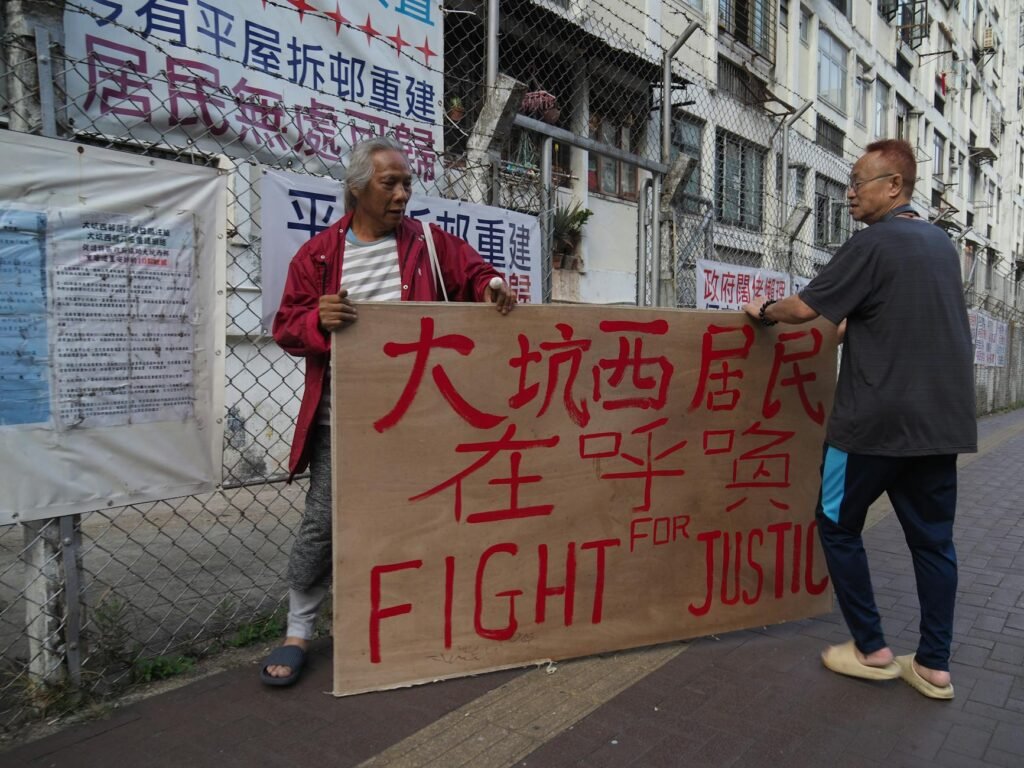
In a nation where collective action can be fraught with peril, a growing number of homeowners in China are finding their voice and organizing to assert control over their communities, often finding themselves in protracted disputes with powerful developers. These residents, united by shared grievances over property quality, management fees, and promised amenities, are increasingly resorting to sophisticated tactics to challenge the status quo. Their efforts, ranging from the digital to the decidedly analog, highlight a burgeoning assertiveness among a segment of the Chinese populace that has invested heavily in the nation’s property boom.
Information reaching TahirRihat.com suggests that these homeowner associations are not merely passive recipients of developer dictates. Instead, they are actively engaging in strategic planning, utilizing a variety of methods to exert pressure. These strategies have included the circulation of petitions, the organization of public rallies, and even clandestine strategy sessions held in the unlikely setting of karaoke bars. These gatherings, often fueled by a shared sense of injustice and a desire for accountability, serve as crucial forums for debate and coordination, allowing residents to collectively determine the scope and intensity of their actions against developers and, by extension, the local authorities who often find themselves caught in the middle.
The disputes typically arise after properties have been handed over to residents. Common complaints involve shoddy construction, a failure by developers to deliver promised facilities such as green spaces or community centers, and opaque management fee structures. In many instances, the property management companies are closely affiliated with the developers themselves, creating a situation where residents feel they have no independent recourse. This has led to a deep-seated frustration that is now being channeled into organized resistance. The sheer scale of China’s urban development over the past few decades means that millions of households are now grappling with these issues, creating a potentially vast reservoir of discontent.
The tactics employed by these homeowner groups are varied and often innovative, reflecting a growing understanding of how to navigate the complex regulatory and social landscape of China. The signing of petitions is a relatively straightforward, albeit often symbolic, act of collective expression. However, the organization of rallies, even if small and discreet, represents a more direct confrontation. These events, while carefully managed to avoid attracting undue attention from authorities, serve to galvanize residents and demonstrate the breadth of opposition to a developer’s actions. The choice of karaoke bars for strategy sessions, as reported, underscores the lengths to which these groups will go to find private spaces for discussion and planning, away from potential surveillance.
The underlying issue is one of power imbalance. Developers, often backed by significant financial resources and political connections, have historically held considerable sway in these disputes. Homeowners, individually, often feel powerless to effect change. However, by banding together, they can amplify their collective bargaining power. The formation of formal or informal homeowner associations provides a structure for communication, resource pooling, and coordinated action. This collective strength is essential in challenging developers who may otherwise be inclined to ignore individual complaints. The success of these groups often hinges on their ability to maintain unity and sustained engagement over long periods, as disputes can be lengthy and complex.
The authorities’ role in these conflicts is often ambiguous. While local governments are responsible for overseeing property development and ensuring consumer rights, they are also deeply intertwined with the economic growth driven by the real estate sector. This can lead to a reluctance to intervene decisively against developers, particularly when doing so might jeopardize local economic interests. As a result, homeowner associations often find themselves negotiating not only with developers but also with local officials, attempting to persuade them to enforce regulations and mediate disputes impartially. The success of these negotiations can vary significantly depending on the specific locality and the political climate.
The legal avenues available to homeowners in China can also be challenging to navigate. While laws exist to protect property buyers, the enforcement of these laws can be inconsistent. Furthermore, the cost and complexity of legal proceedings can be prohibitive for individual residents. This often pushes homeowners to seek extra-legal or quasi-legal means of redress, such as public protest and media engagement, though the latter is also subject to strict controls. The reported strategy sessions over karaoke suggest a pragmatic approach, where residents adapt their methods to the prevailing environment, seeking to maximize their impact within the existing constraints.
The long-term implications of this growing homeowner activism are significant. It signals a potential shift in the balance of power within the Chinese property market, where consumers are becoming more empowered and demanding greater accountability from developers and management companies. This trend could lead to improved standards in property development and management, as well as a greater emphasis on resident satisfaction. However, it also presents a challenge for authorities who must find ways to effectively mediate these disputes and ensure fair outcomes for all parties involved, without stifling the economic engine of the property sector.
The ability of these groups to organize and strategize, even in the face of potential official scrutiny, reflects a growing sophistication in civil society engagement within China. While the space for independent organization remains constrained, residents are finding creative ways to assert their rights and demand better living conditions. The ongoing struggles of these homeowners are a testament to their resilience and their determination to shape the communities in which they live, transforming their individual grievances into a collective force for change.


Tahir Rihat (also known as Tahir Bilal) is an independent journalist, activist, and digital media professional from the Chenab Valley of Jammu and Kashmir, India. He is best known for his work as the Online Editor at The Chenab Times.