


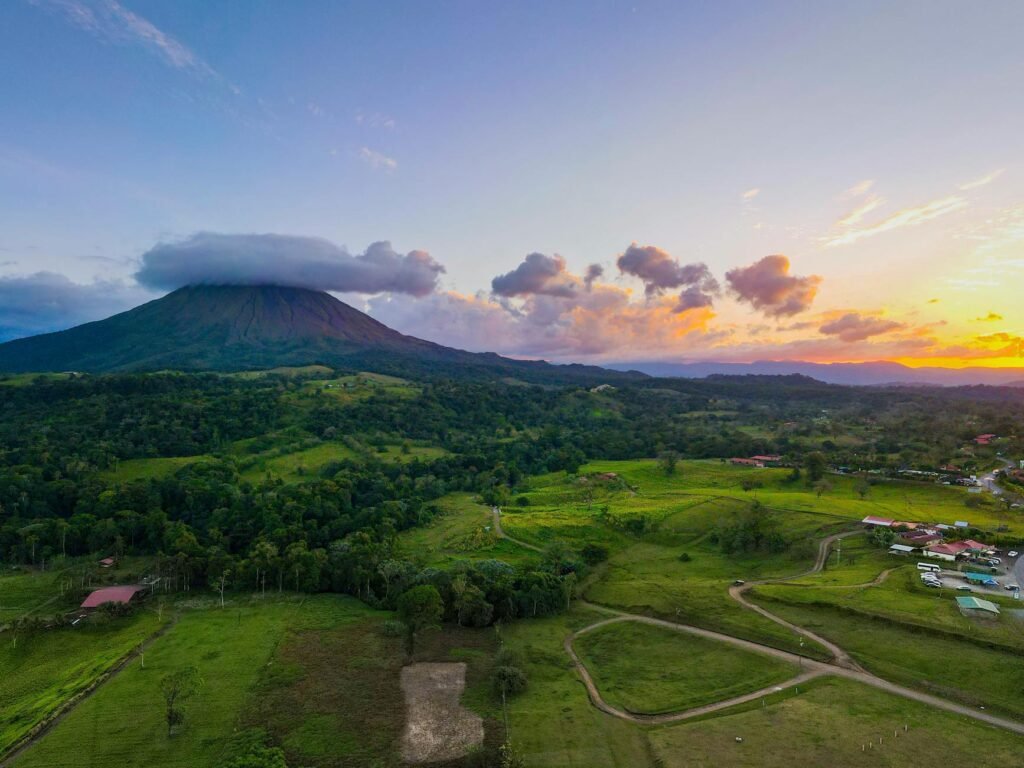
In the verdant cloud forests of Costa Rica, a small mountain town has become a beacon of hope for families uprooted by deportation policies in the United States. This sanctuary, woven from the efforts of local residents, international volunteers, and a community of pacifist Quakers, offers a fragile yet essential lifeline to those expelled from their homes.
The story of this unique refuge unfolds against a backdrop of shifting political landscapes and heightened immigration enforcement. Families, torn apart by deportation, often find themselves facing immense challenges: navigating unfamiliar legal systems, securing housing, and accessing basic necessities. It is within this context that the town’s welcoming embrace stands out.
Information reaching TahirRihat.com suggests that the town’s welcoming atmosphere is not accidental but the result of deliberate and sustained effort. Local residents have opened their homes, providing temporary shelter and support while newcomers find their footing. International volunteers, drawn from various backgrounds, offer legal assistance, language training, and help with navigating the complexities of resettlement. The Quaker community, with its long-standing commitment to peace and social justice, plays a crucial role in fostering a sense of belonging and community.
The support network extends beyond immediate needs, addressing the emotional and psychological toll of deportation. Many families arrive traumatized, carrying the weight of separation, uncertainty, and loss. The town’s support system includes counseling services and community programs designed to heal and empower individuals. Children, especially vulnerable to the disruption of deportation, receive educational support and opportunities to connect with their peers.
For these families, the safe haven is more than just a place to live; it is a space where they can rebuild their lives, reclaim their dignity, and find hope for the future. The challenges are undeniable, but the determination of the residents and the resilience of the families create an atmosphere of possibility. As the political climate shifts, the enduring need for such sanctuaries remains clear. The story of this Costa Rican community serves as a reminder of the power of human compassion and the importance of providing support to those displaced by circumstances beyond their control.
The families who have sought refuge here often recount harrowing experiences of separation and uncertainty. Many had established lives in the United States, working, raising families, and contributing to their communities. Their sudden removal has left them reeling, grappling with financial hardship, legal challenges, and the emotional pain of separation from loved ones. The town has become a place where they can begin to heal from these wounds and rebuild their lives with dignity and hope.
The support network established in the area is not without its challenges. Resources are often stretched thin, and the needs of the growing community are constantly evolving. However, the dedication of the volunteers and the resilience of the families have enabled them to overcome these obstacles. They work together to find creative solutions, share resources, and build a strong sense of community that sustains them through difficult times. The shared experience of displacement creates a bond that transcends cultural differences and fosters mutual support and understanding. The individuals are dedicated to ensuring the well-being of all who seek refuge in their town.


Tahir Rihat (also known as Tahir Bilal) is an independent journalist, activist, and digital media professional from the Chenab Valley of Jammu and Kashmir, India. He is best known for his work as the Online Editor at The Chenab Times.