


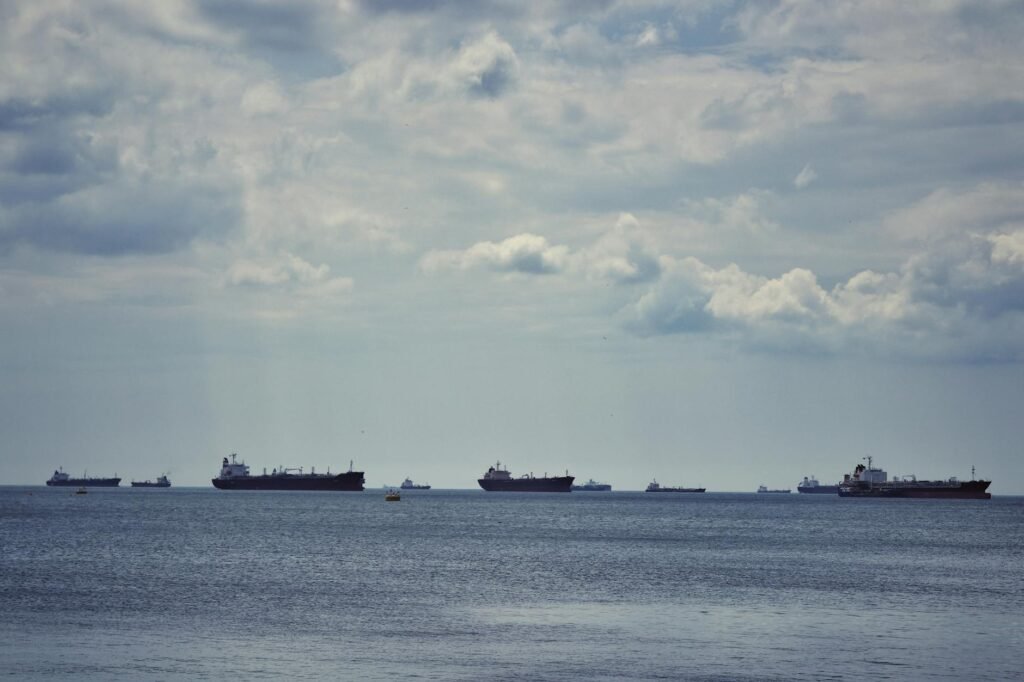
Two cruise ships that had been held for weeks in the Strait of Hormuz have successfully cleared the vital waterway, according to information provided by the cruise company. The vessels, which were reportedly carrying only skeleton crews and no passengers, were able to resume their journeys after a period of prolonged inactivity in the strategically important maritime chokepoint. The exact reasons for their extended detention were not immediately clear, but the development marks a significant step for the ships and their operators.
As per information available with TahirRihat.com, the successful passage of these two cruise liners through the Strait of Hormuz signals a potential easing of logistical or operational challenges that had previously kept them stationary. The Strait of Hormuz is a critical transit point for global oil shipments and other maritime traffic, and any disruption or unusual activity within its waters can have far-reaching implications for international trade and energy markets. The prolonged presence of these large vessels in the strait would have been a matter of considerable interest to maritime authorities and shipping intelligence agencies.
The cruise company, in its statement, emphasized that the ships were not carrying any passengers during the period they were stranded. This detail is crucial, as it mitigates concerns about the welfare of travelers and suggests that the situation was primarily an operational or logistical issue rather than a passenger safety crisis. The presence of skeleton crews, while necessary for vessel maintenance and basic operations, also indicates a limited capacity for independent action or immediate resolution of complex maritime issues. The focus now shifts to understanding the underlying causes of the delay and ensuring such incidents do not recur.
The Strait of Hormuz, a narrow waterway connecting the Persian Gulf to the Gulf of Oman, is one of the world’s most important oil transit corridors. Approximately 30 percent of the world’s seaborne oil trade passes through this strait. Any impediment to its smooth functioning can lead to significant fluctuations in global energy prices and supply chain disruptions. The fact that two cruise ships were held there for an extended period, even without passengers, would have inevitably drawn attention from various stakeholders monitoring the region’s maritime security and traffic flow. The successful clearance suggests that whatever impediments were in place have now been resolved.
While the cruise company has confirmed the ships have cleared the strait, further details regarding the nature of the issues that led to their stranding remain undisclosed. Such incidents can arise from a variety of factors, including but not limited to, administrative delays, technical malfunctions, port congestion, or geopolitical considerations that might affect maritime passage. The absence of passengers would have simplified some aspects of the situation, such as passenger accommodation and itinerary changes, but the logistical and operational challenges for the crew and the vessel itself would have been substantial.
The maritime industry closely monitors activities in key chokepoints like the Strait of Hormuz. Information reaching TahirRihat.com suggests that the prolonged presence of these vessels may have been a subject of discussion among shipping analysts and security experts concerned with regional maritime stability. The resolution of this situation is likely to be a welcome development for the cruise line involved, allowing them to reintegrate these assets into their operational fleet and resume normal service schedules. The economic impact of having large vessels idled for weeks, even with minimal crewing, can be considerable, encompassing operational costs and lost revenue opportunities.
The cruise sector, like many other industries, has faced numerous challenges in recent years, from the global pandemic to evolving geopolitical landscapes. Incidents like this, while seemingly isolated, can highlight the complex web of factors that influence global shipping and tourism. The ability of these ships to finally navigate the Strait of Hormuz underscores the resilience of maritime operations and the continuous efforts to overcome obstacles in international waters. The successful transit is not just a procedural clearance but a return to normalcy for the affected vessels and their operators.
The implications of such detentions, even for ships without passengers, can extend beyond the immediate parties involved. They can influence shipping insurance rates, charter agreements, and the overall perception of risk associated with operating in certain regions. The fact that the cruise company has been able to move its vessels forward is a positive indicator, suggesting that the issues have been addressed to a satisfactory degree. The global shipping community will likely be keen to understand the specifics of the resolution, should they become available, to better prepare for or mitigate similar future occurrences.
The Strait of Hormuz has historically been a region of geopolitical sensitivity, and any unusual maritime activity is often scrutinized. The successful passage of these cruise ships, therefore, is not just a logistical success but also a reaffirmation of the continued flow of traffic through this vital artery. The cruise company’s confirmation of the ships clearing the strait provides a definitive update on a situation that had been ongoing for several weeks, bringing a degree of closure to the immediate concern regarding their status within the Hormuz waterway.


Tahir Rihat (also known as Tahir Bilal) is an independent journalist, activist, and digital media professional from the Chenab Valley of Jammu and Kashmir, India. He is best known for his work as the Online Editor at The Chenab Times.