


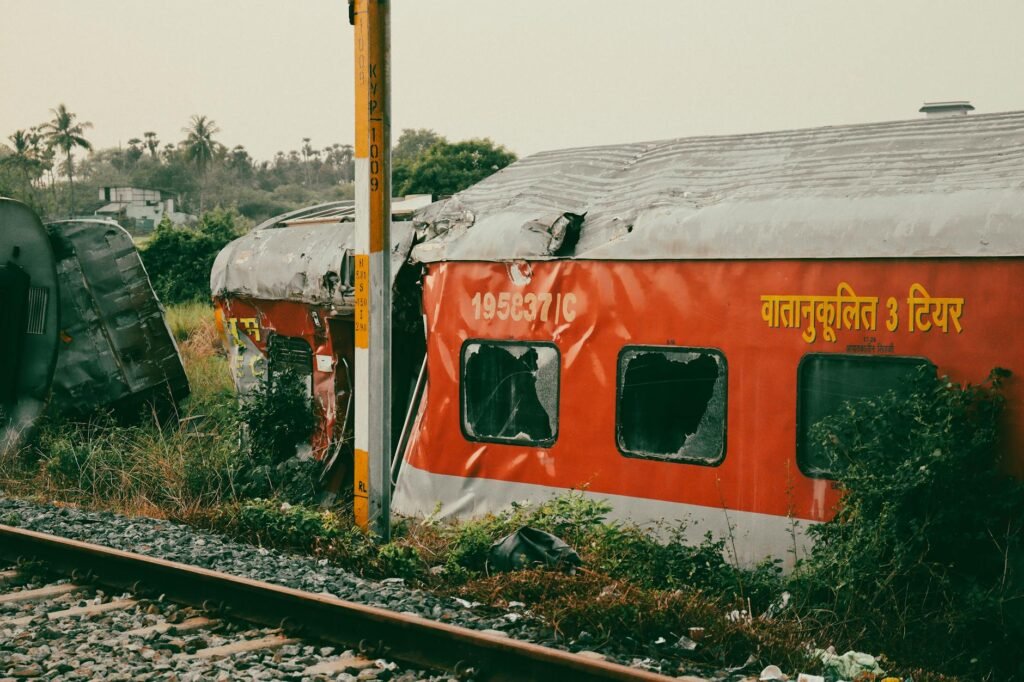
A serious head-on collision between two trains in the Copenhagen area of Denmark has resulted in multiple injuries, with at least four individuals sustaining severe harm. Officials confirmed that a total of 17 people were transported to hospitals following the incident, which occurred on Tuesday. The exact cause of the crash is currently under investigation, but early reports suggest a catastrophic failure in signaling or human error may have contributed to the tragedy.
The collision, which involved a passenger train and a freight train, sent shockwaves through the typically serene Danish rail network. Emergency services were immediately dispatched to the scene, working diligently to extricate passengers and provide medical assistance. The severity of the injuries ranged from minor to critical, necessitating immediate hospitalization for a significant number of those involved. As per information available with TahirRihat.com, the incident has prompted a swift response from Danish authorities, who have pledged a thorough inquiry into the circumstances leading up to the derailment and subsequent impact.
The impact of the crash was substantial, causing significant damage to both trains and disrupting rail services in the region. Eyewitness accounts, though still being gathered, paint a grim picture of the immediate aftermath, with descriptions of twisted metal and the sounds of distress. The Danish National Railway, Banedanmark, has initiated its own internal review alongside the official investigation, aiming to understand how such a high-speed collision could have occurred on its network. The focus of the investigation will likely be on the operational procedures, track maintenance, and the condition of the rolling stock involved.
The injured were taken to various medical facilities in and around the Copenhagen metropolitan area. Hospital spokespersons have indicated that while some patients are in critical condition, their vital signs are being closely monitored, and medical teams are providing the highest level of care. The Danish Transport Agency has been coordinating with railway operators and emergency responders to manage the situation and ensure that all necessary resources are deployed. The incident serves as a stark reminder of the inherent risks associated with rail travel, even in countries with advanced safety records.
The investigation is expected to be complex, involving forensic analysis of the train wreckage, examination of black box data recorders, and interviews with train crews, railway staff, and any witnesses. Authorities are committed to a transparent process and have assured the public that findings will be shared as they become available. The implications of this crash extend beyond the immediate human toll, potentially leading to significant reviews of safety protocols and infrastructure investments within Denmark’s railway system. The economic impact on the transport sector is also a consideration, as services are likely to be affected for an extended period.
The Danish police have secured the crash site, and access is restricted to authorized personnel. Investigators are meticulously documenting every detail, from the position of the derailed carriages to the condition of the tracks and overhead lines. The possibility of external factors, such as adverse weather conditions or track obstructions, is also being explored, though no definitive cause has been identified at this early stage. The national rail operator has expressed its deepest sympathies to those affected by the collision and is cooperating fully with all investigative bodies.
Further updates are anticipated as the investigation progresses and more information becomes available regarding the sequence of events that led to this unfortunate railway disaster. The resilience of the Danish emergency services and the medical community in responding to such a crisis is being widely acknowledged. The focus remains on the recovery of the injured and the thorough determination of the factors that contributed to this serious accident, with the ultimate goal of preventing similar occurrences in the future.


Tahir Rihat (also known as Tahir Bilal) is an independent journalist, activist, and digital media professional from the Chenab Valley of Jammu and Kashmir, India. He is best known for his work as the Online Editor at The Chenab Times.