


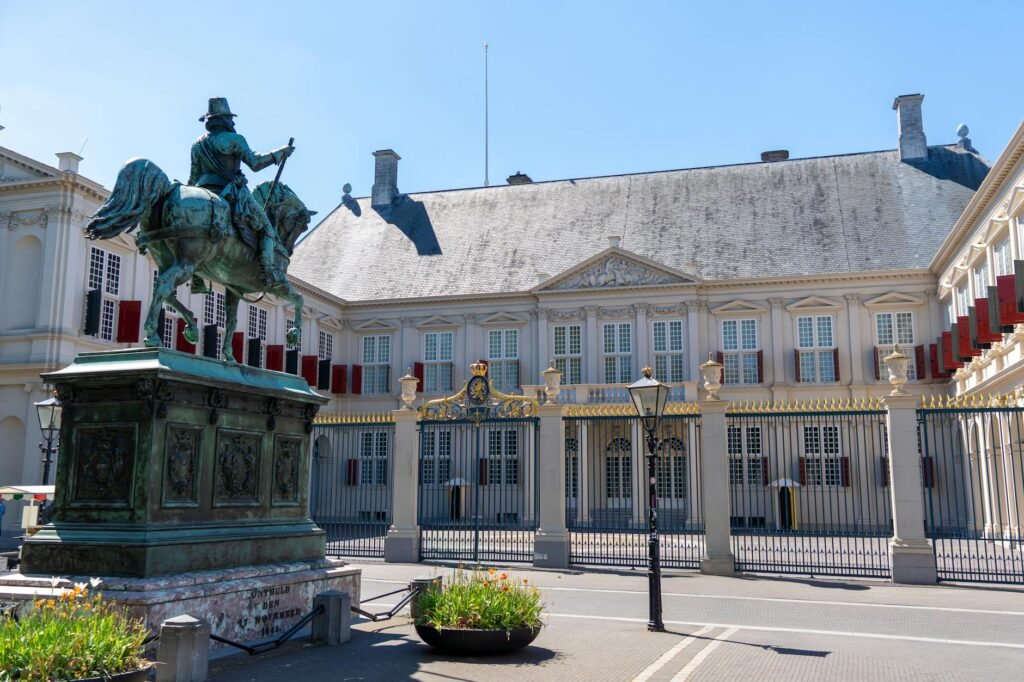
The upcoming state visit of the Dutch King and Queen to the White House has ignited discussions in the Netherlands amidst simmering transatlantic tensions. The visit, scheduled to commence on Monday, has prompted varied reactions, with some questioning the timing and optics of such a high-profile engagement. The complexities of international relations are especially pronounced when considering historical alliances and contemporary political landscapes.
The relationship between the Netherlands and the United States has deep historical roots, tracing back to the American Revolution when the Dutch Republic was among the first nations to formally recognize the fledgling United States. This foundational bond has since evolved through periods of close collaboration, particularly in the aftermath of World War II with the Marshall Plan, which significantly aided the Netherlands in its reconstruction efforts. Both nations are also founding members of NATO, underscoring a mutual commitment to collective security. However, recent years have seen divergences in policy on issues such as trade, climate change, and multilateral agreements, leading to a more nuanced dynamic.
In recent years, the Netherlands, like many European nations, has faced challenges in balancing its relationships with global powers amid shifting geopolitical dynamics. The Trump administration’s approach to international relations, characterized by a focus on bilateral agreements and skepticism towards multilateral institutions, introduced new complexities. Policies such as tariffs on European goods and withdrawal from the Paris Agreement on climate change strained traditional alliances, prompting European nations to re-evaluate their diplomatic strategies.
The Dutch government, traditionally a strong proponent of international cooperation and multilateralism, has sought to navigate these challenges while maintaining its longstanding alliance with the United States. The scheduled royal visit serves as a delicate act of diplomacy, aiming to reaffirm historical ties while subtly addressing points of divergence. Such state visits involve extensive planning, with diplomatic teams carefully curating the agenda to balance ceremonial gestures with substantive discussions on pressing issues.
Within the Netherlands, public opinion on the royal visit is mixed. Some view it as a necessary exercise in maintaining diplomatic channels, emphasizing the importance of dialogue even amidst disagreements. Others express reservations, questioning whether the visit might be perceived as an endorsement of policies that run counter to Dutch values and interests. This debate reflects broader anxieties about the future of transatlantic relations and the role of smaller nations in shaping global affairs.
The economic ties between the Netherlands and the United States remain robust, with significant investments flowing in both directions. The Netherlands is consistently among the largest foreign investors in the U.S. economy, and the U.S. is a major trading partner for the Netherlands. These economic linkages provide a strong foundation for the bilateral relationship, but they are not immune to the political and strategic considerations that increasingly shape international relations.
The agenda for the royal visit is expected to include discussions on trade, security, and climate change, among other topics. While official statements will likely emphasize areas of common ground, the behind-the-scenes conversations will undoubtedly address the more contentious issues that have strained relations in recent years. The Dutch delegation is expected to advocate for a return to multilateralism and greater cooperation on global challenges.
Security cooperation, particularly in the realm of counterterrorism, remains an area of close collaboration between the two countries. Intelligence sharing and joint law enforcement operations have been crucial in addressing transnational threats. These cooperative efforts underscore the enduring strategic importance of the U.S.-Dutch alliance, even as political differences emerge.
The upcoming visit also provides an opportunity to highlight the cultural connections between the Netherlands and the United States. From the Dutch origins of New York City to the shared commitment to democratic values, the two nations share a rich heritage. Cultural exchanges and educational programs continue to foster mutual understanding and strengthen people-to-people ties.
Amid the complexities of the visit, the Dutch government will likely emphasize its commitment to European unity and its role within the European Union. The Netherlands has consistently advocated for a strong and cohesive EU, capable of asserting its interests on the global stage. This commitment sometimes puts the Netherlands at odds with the U.S., particularly on issues related to trade and regulatory policy. We reviewed reports from various news sources and political think tanks about the dynamics involved in this crucial visit, and could not independently verify all claims surrounding potential hidden agendas.


Tahir Rihat (also known as Tahir Bilal) is an independent journalist, activist, and digital media professional from the Chenab Valley of Jammu and Kashmir, India. He is best known for his work as the Online Editor at The Chenab Times.