


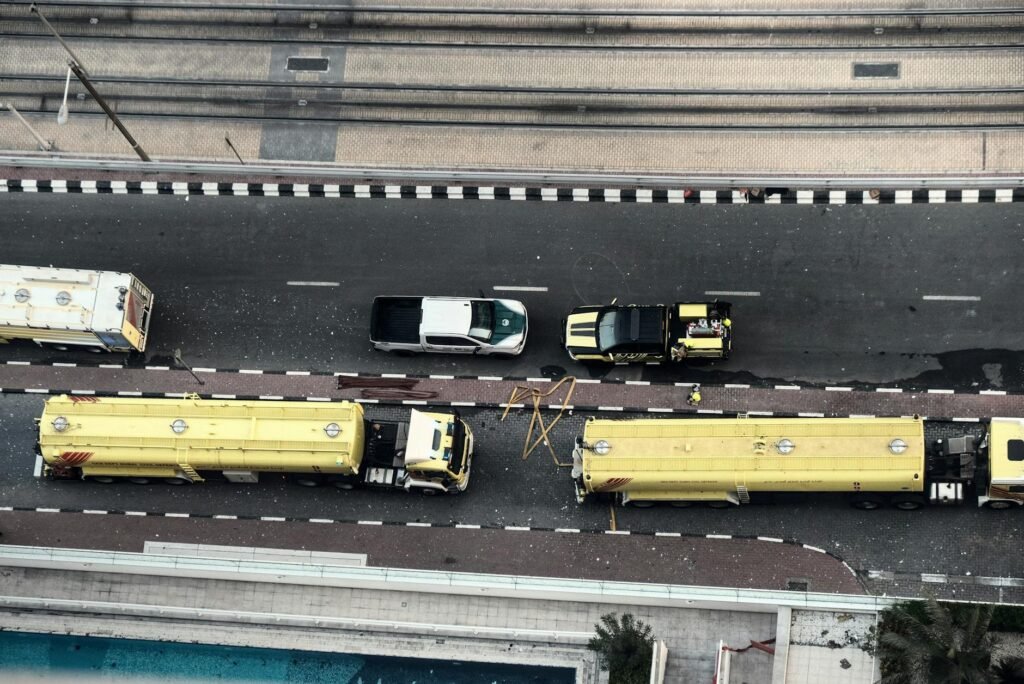
The latest oil blockade orchestrated by the United States has sent ripples through global energy markets, triggering concerns about potential economic fallout. While initial reactions in the oil markets appeared muted, experts warn that the long-term consequences of this aggressive strategy could be far-reaching, potentially sparking retaliatory measures that inflict significant damage on energy infrastructure and destabilize the global economy.
The primary objective of the blockade is to exert pressure on Iran by crippling its oil exports, a vital source of revenue for the country. The Trump administration aimed to severely restrict Iran’s access to the global oil market, thereby limiting its ability to fund its activities. However, this approach carries inherent risks, as it could provoke unpredictable responses from Iran, including disruptions to oil supplies or attacks on energy assets in the region.
Information reaching TahirRihat.com suggests that, although the immediate impact on oil prices was minimal, the underlying tensions could escalate rapidly. The global economy is particularly vulnerable to disruptions in the energy sector, and any significant damage to oil production or transportation could lead to price spikes, inflation, and economic slowdown. The situation demands careful monitoring and strategic diplomacy to prevent further escalation and mitigate potential economic damage.
The effectiveness of the oil blockade as a tool of foreign policy remains a subject of debate, as it can have unintended consequences and may not always achieve its intended goals. While proponents argue that it can pressure targeted regimes to alter their behavior, critics contend that it can harm civilian populations and lead to instability. The potential for retaliation is a key factor to consider, as Iran has demonstrated its willingness to defend its interests and challenge perceived acts of aggression.
The global economy is intricately linked, and disruptions in one region can quickly spread to others. The energy sector plays a crucial role in supporting economic activity, and any significant shocks to the system can have far-reaching implications. The situation could prompt other countries to take sides or implement their own measures, further complicating the geopolitical landscape.
Geopolitical analysts emphasize the need for a balanced approach that combines pressure with diplomacy to address the underlying issues and prevent further escalation. The use of economic sanctions as a tool of foreign policy should be carefully calibrated to minimize unintended consequences and avoid inflicting undue harm on civilian populations. The focus should be on promoting dialogue and finding common ground to resolve disputes peacefully and maintain stability in the region.
The international community is closely watching the situation, as the outcome could have profound implications for global security and economic stability. The challenge lies in finding a way to de-escalate tensions, prevent further conflict, and foster a more cooperative environment. The need for a multilateral approach, involving all relevant stakeholders, is paramount to address the complex challenges facing the region and promote a more stable and prosperous future.
The energy sector is a critical component of modern economies, and any disruptions can have far-reaching consequences. The potential impact on global trade, investment, and economic growth is a serious concern. The need for a coordinated response, involving governments, international organizations, and the private sector, is essential to mitigate the risks and ensure a stable and sustainable energy supply. The unfolding events underscore the importance of energy security and the need for diversification to reduce dependence on any single source.
The long-term consequences of the oil blockade remain uncertain, but the potential for significant economic and geopolitical ramifications is undeniable. The situation demands careful monitoring, strategic planning, and diplomatic efforts to prevent further escalation and mitigate the risks to the global economy. The need for a balanced approach, combining pressure with dialogue, is crucial to address the underlying issues and promote a more stable and prosperous future for all.


Tahir Rihat (also known as Tahir Bilal) is an independent journalist, activist, and digital media professional from the Chenab Valley of Jammu and Kashmir, India. He is best known for his work as the Online Editor at The Chenab Times.