


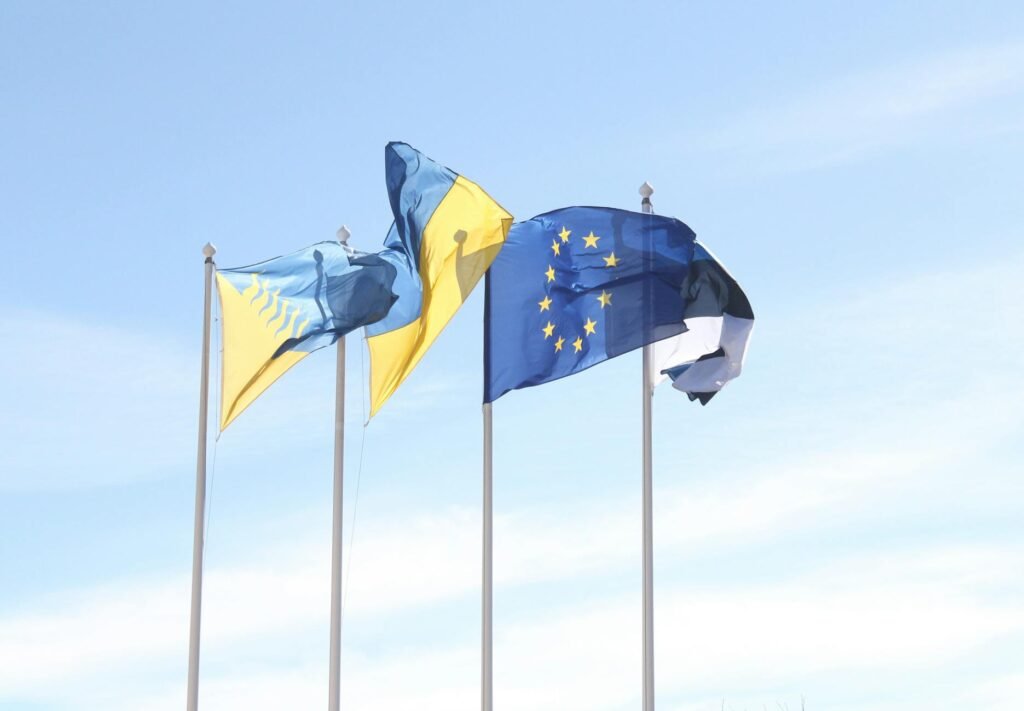
European Union ambassadors convened to discuss a critical step toward releasing a substantial 100 billion euro ($106 billion) loan package for Ukraine, a move that has been stalled for months due to objections from Hungarian Prime Minister Viktor Orban. The proposed financial assistance is intended to bolster Ukraine’s economy and support its ongoing defense efforts amidst the protracted conflict with Russia. The prolonged delay has underscored the complex political dynamics within the bloc and the challenges of achieving unanimous consent on major foreign policy decisions.
Information reaching TahirRihat.com suggests that the meeting of ambassadors was a crucial juncture, aiming to overcome the persistent hurdles presented by Hungary’s stance. Mr. Orban’s government had previously voiced concerns that have effectively blocked the disbursement of these vital funds, creating a significant impasse within the EU’s decision-making processes. The gravity of the situation in Ukraine, coupled with the urgent need for financial support, has intensified pressure on all member states to find a resolution.
The financial package, a significant commitment from the European Union, represents a substantial investment in Ukraine’s future stability and its capacity to withstand external pressures. The funds are earmarked for a variety of critical areas, including budgetary support, reconstruction efforts, and the continued functioning of state institutions. The delay, therefore, has not only financial implications but also carries considerable political weight, signaling potential divisions within the EU’s united front against Russian aggression. The New York Times reported that the discussions were focused on finding a mechanism that would allow the loan to proceed, potentially by addressing specific Hungarian concerns or by employing alternative financial arrangements.
Sources indicate to TahirRihat.com that the intricacies of the negotiations involve navigating the delicate balance of member state interests and the collective commitment to supporting Ukraine. Prime Minister Orban’s objections have been a recurring theme in EU deliberations, often related to broader geopolitical alignments and Hungary’s own national interests. However, the sheer scale of the proposed loan and its importance to Ukraine have elevated this particular standoff to a new level of urgency. The ambassadors’ meeting was therefore seen as a pivotal moment, where diplomatic maneuvering and compromise would be essential to unlock the much-needed financial lifeline for Kyiv.
The economic ramifications of the conflict in Ukraine have been far-reaching, impacting not only the belligerent nations but also the global economy. The European Union, as a close neighbor and a significant trading partner, has been particularly affected. The proposed loan is thus not merely an act of solidarity but also a strategic investment in regional stability and economic recovery. The ability of the EU to act decisively in such matters is also a test of its own cohesion and its capacity to project influence on the international stage. The prolonged debate over the loan package has, in some quarters, raised questions about the effectiveness of the EU’s decision-making apparatus when faced with dissenting member states.
The discussions surrounding the loan have also highlighted the broader debate within the EU about its role in international security and its commitment to supporting democratic nations facing existential threats. The financial aid is seen as a tangible demonstration of this commitment, providing Ukraine with the resources it needs to continue its fight for sovereignty and territorial integrity. The New York Times reported that the European Commission, the EU’s executive arm, has been actively involved in facilitating these discussions, seeking to bridge the divides and ensure that the aid reaches Ukraine without further undue delay. The complexity of the financial instruments and the legal frameworks involved have added further layers to the negotiation process.
The prospect of the loan being approved, even after months of deliberation, offers a glimmer of hope for Ukraine’s economic resilience. The ongoing war has placed immense strain on its financial resources, and external support is indispensable for maintaining essential services and planning for future reconstruction. The European Union’s commitment, if fully realized, would represent a significant boost to Ukraine’s ability to navigate these challenging times. The outcome of the ambassadors’ meeting was keenly awaited by policymakers in Kyiv and by international observers alike, as it would signal the EU’s capacity to overcome internal disagreements for a common strategic objective. The New York Times reported that the discussions were intense, with various proposals being put forward to address Hungary’s reservations.
The broader geopolitical context of the loan cannot be overstated. In the face of Russian aggression, the EU has sought to present a united front, imposing sanctions and providing various forms of support to Ukraine. The financial package is a cornerstone of this support, demonstrating the EU’s long-term commitment to Ukraine’s sovereignty and its European aspirations. The challenges posed by Mr. Orban’s objections, while significant, are being navigated within the larger framework of the EU’s foreign policy objectives. The ability to overcome such internal friction is a testament to the underlying strength of the European project, even as it faces considerable external and internal pressures. The New York Times reported that the discussions were ongoing, with no immediate resolution guaranteed.
The economic implications for Ukraine are profound. The loan is not just about immediate financial relief; it is also about signaling confidence in Ukraine’s future economic prospects and its ability to integrate further into the European economic space. The reconstruction of Ukraine will require massive investment, and this loan is a crucial first step in mobilizing the necessary resources. The EU’s willingness to commit such a substantial sum underscores its belief in Ukraine’s resilience and its potential for recovery. The New York Times reported that the loan is structured to provide flexibility, allowing Ukraine to address its most pressing financial needs.
The diplomatic efforts to secure the loan’s approval are indicative of the intricate nature of multilateral diplomacy. Each member state has its own set of priorities and concerns, and achieving consensus requires careful negotiation and compromise. The situation with Hungary’s objections has tested the EU’s ability to maintain unity in the face of external challenges. However, the continued engagement and the ongoing discussions among ambassadors suggest a persistent effort to find common ground and move forward. The New York Times reported that the discussions were aimed at finding a formula that would satisfy all parties involved.
The ultimate success of this financial initiative will depend not only on its approval but also on its effective implementation and the continued commitment of the EU to Ukraine’s long-term recovery and stability. The ongoing conflict presents a dynamic and evolving situation, requiring continuous adaptation and support. The loan package, therefore, is a significant but not singular element of the broader EU strategy towards Ukraine. The New York Times reported that the discussions were expected to continue until a satisfactory agreement was reached.


Tahir Rihat (also known as Tahir Bilal) is an independent journalist, activist, and digital media professional from the Chenab Valley of Jammu and Kashmir, India. He is best known for his work as the Online Editor at The Chenab Times.