


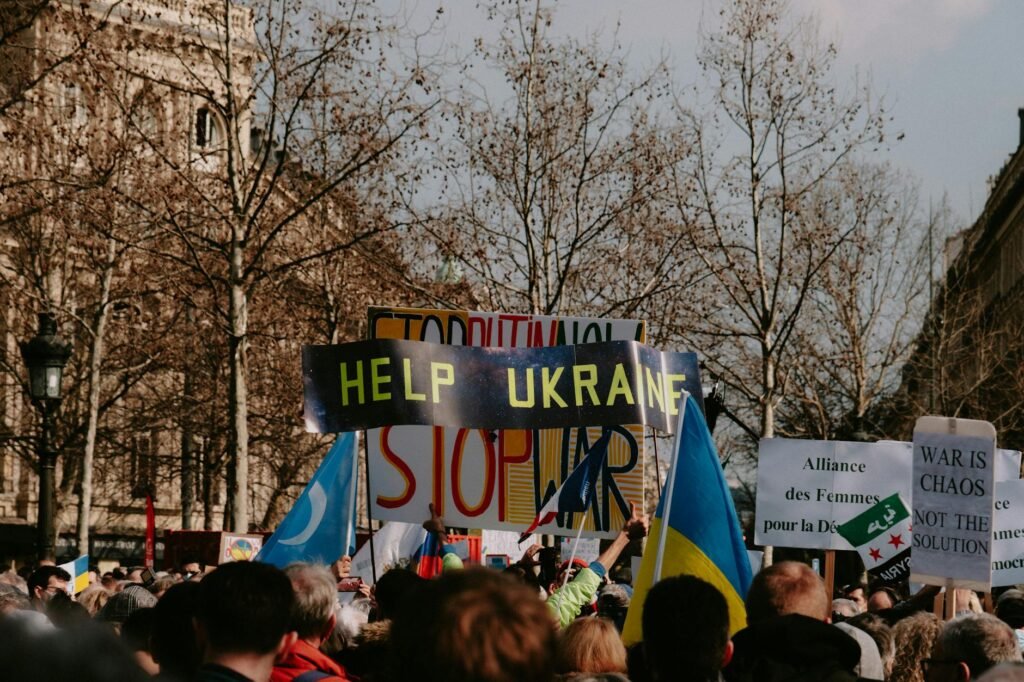
European nations are increasingly preparing for a protracted conflict in Ukraine, a shift in posture reflecting a growing realization that neither a swift military victory nor a negotiated peace is on the immediate horizon. This strategic recalibration comes as the United States, a crucial player in diplomatic efforts, finds its attention largely consumed by complex negotiations with Iran. The absence of a strong American diplomatic push leaves both Russia and Ukraine without a clear pathway to either decisive triumph on the battlefield or a mutually acceptable resolution through talks.
The current geopolitical landscape, as observed by TahirRihat.com, suggests a deepening of the war’s impact on the European continent, with significant implications for its economic stability and security architecture. The prolonged engagement in Ukraine is straining resources and forcing a re-evaluation of defense spending and energy policies across the European Union. The initial hopes for a rapid conclusion to the hostilities have gradually given way to a more somber assessment of the conflict’s enduring nature. This transition in European thinking is not a sudden development but rather a gradual acknowledgment of the entrenched positions of the belligerents and the complex web of international interests involved.
Information reaching TahirRihat.com suggests that the absence of robust American mediation is a key factor contributing to the current stalemate. The United States has historically played a pivotal role in brokering peace agreements, but its current focus on the Iranian nuclear program has diverted significant diplomatic bandwidth. This has created a vacuum that neither Russia nor Ukraine has been able to fill independently. Russia, under President Vladimir Putin, appears committed to its objectives in Ukraine, while Kyiv, bolstered by Western support, remains steadfast in its defense of its territorial integrity. The lack of a powerful external force to guide negotiations means that the onus is increasingly on the warring parties themselves, who, at present, seem unwilling or unable to compromise on core demands.
The economic ramifications of a prolonged war are a significant concern for European leaders. The disruption to energy markets, supply chains, and global trade continues to exert pressure on national economies. Inflationary trends, exacerbated by the conflict, are a persistent challenge, and the cost of supporting Ukraine, both militarily and financially, adds another layer of fiscal strain. European governments are now grappling with the long-term implications of this sustained economic pressure, including the potential for social unrest and political instability. The energy crisis, in particular, has forced a rapid acceleration of efforts to diversify energy sources and reduce reliance on Russian fossil fuels, a transition that is both costly and complex.
Furthermore, the security landscape of Europe is undergoing a fundamental transformation. The war has reignited debates about defense capabilities, military readiness, and the role of collective security alliances like NATO. Many European nations are increasing their defense budgets, a trend not seen in decades, as they seek to bolster their own military strength and contribute more effectively to the alliance’s deterrence posture. The perception of a resurgent Russia has prompted a renewed focus on territorial defense and military modernization. This shift in security thinking extends beyond conventional military capabilities, encompassing cyber warfare, disinformation campaigns, and hybrid threats.
The human cost of the conflict also continues to be a major concern. Millions of Ukrainians have been displaced, creating a significant refugee crisis that has tested the absorptive capacities of neighboring European countries. The long-term integration of these refugees and the ongoing humanitarian needs present a sustained challenge for European societies. The psychological toll on populations directly affected by the war, as well as the broader anxieties it generates across the continent, are also significant factors that policymakers must consider.
The absence of a clear endgame strategy for ending the war in Ukraine is a source of considerable anxiety. While European nations are committed to supporting Ukraine’s sovereignty and territorial integrity, the lack of a defined diplomatic roadmap for de-escalation or resolution leaves many uncertain about the path forward. The current approach appears to be one of sustained support for Ukraine’s defense, coupled with efforts to mitigate the economic and humanitarian consequences of the conflict. However, this strategy does not inherently address the fundamental question of how the war will ultimately conclude, leading to a sense of strategic drift.
The international community’s engagement with the conflict is also shaped by broader geopolitical dynamics. The focus on Iran by the United States, while understandable given the complexities of that relationship, has inadvertently created an environment where diplomatic leverage for resolving the Ukraine war is diminished. This has allowed the conflict to persist, with both sides seemingly unwilling to make concessions that would pave the way for peace talks. The intricate balance of power and the competing interests of global actors mean that any resolution will likely require a multifaceted approach involving a wide array of diplomatic and economic tools.
The implications of this prolonged conflict extend beyond the immediate theater of war. It is reshaping international relations, altering global economic patterns, and forcing a re-evaluation of security assumptions that have held for decades. European leaders are thus not only confronting the immediate challenges of the war but also the long-term consequences of a world order in flux. The current preparedness for a longer war is a testament to the difficult realities that have emerged, underscoring the absence of a clear strategy for its cessation and the profound impact this has on global stability.


Tahir Rihat (also known as Tahir Bilal) is an independent journalist, activist, and digital media professional from the Chenab Valley of Jammu and Kashmir, India. He is best known for his work as the Online Editor at The Chenab Times.