


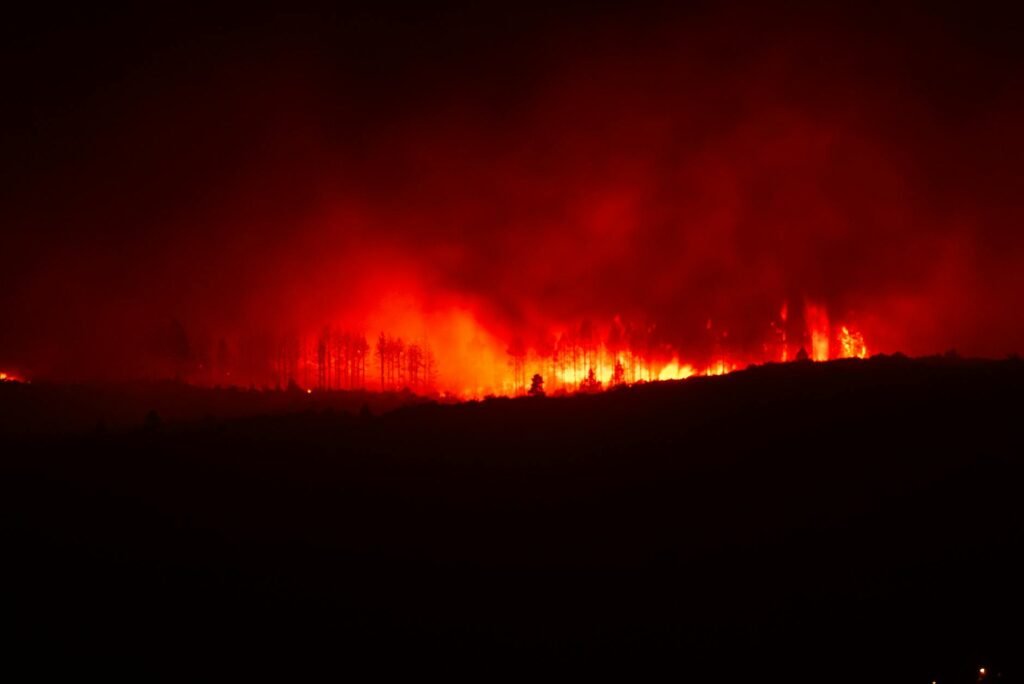
The year 2025 was marked by an unprecedented and widespread heatwave across Europe, with nearly the entire continent experiencing abnormally high temperatures, according to a comprehensive report released by the European Environment Agency. This extreme weather phenomenon contributed to a cascade of environmental challenges, including devastating wildfires and severe flooding, underscoring the accelerating impact of climate change on the region.
The European State of the Climate report, which meticulously documents meteorological and environmental trends, highlighted that Europe is warming at a rate significantly faster than the global average. This accelerated warming trend has made the continent particularly vulnerable to the adverse effects of climate change. The report detailed how the extreme heat of 2025 was not confined to a few isolated regions but permeated across the continent, affecting diverse geographical areas from the Mediterranean south to the sub-Arctic north. Information reaching TahirRihat.com suggests that the intensity and duration of these heat events were particularly alarming to climate scientists and policymakers alike.
Wildfires, a recurring problem in warmer climates, reached new levels of severity in 2025. Large swathes of land, particularly in Southern Europe, were engulfed by flames, destroying natural habitats, threatening communities, and releasing vast amounts of greenhouse gases into the atmosphere, thereby exacerbating the cycle of warming. The report provided detailed accounts of the scale of these infernos, noting that firefighting resources were stretched to their limits in many affected countries. The economic and ecological toll of these fires is still being assessed, but initial estimates point to substantial losses.
Compounding the challenges posed by extreme heat and wildfires, the continent also grappled with significant flooding events. While seemingly contradictory, the report explained that altered weather patterns, driven by climate change, can lead to both prolonged dry spells and intense, short-duration rainfall. These sudden downpours overwhelmed drainage systems and river capacities, leading to widespread inundation in various parts of Europe. The report documented instances where areas that had been suffering from drought conditions were subsequently hit by torrential rains, causing flash floods that caused considerable damage to infrastructure and displaced populations.
A particularly striking finding of the report was the occurrence of a sub-Arctic heatwave. This phenomenon, where regions typically characterized by cold climates experienced unusually high temperatures, served as a stark indicator of the global reach of climate change. The report detailed how these unseasonably warm conditions in the Arctic and sub-Arctic regions had implications for permafrost thaw, sea ice melt, and local ecosystems, which are already under immense pressure. The implications for global weather patterns, including potential disruptions to the jet stream, are a significant concern for climate researchers.
The European Environment Agency’s findings are based on data collected from a vast network of meteorological stations, satellite observations, and environmental monitoring systems across the continent. The report emphasized the interconnectedness of these climate-related events, illustrating how rising global temperatures create a more volatile and unpredictable climate system. The agency stressed that the trends observed in 2025 are not isolated incidents but rather part of a broader pattern of climate change that requires urgent and sustained action.
The report also touched upon the socio-economic consequences of these extreme weather events. Heatwaves pose significant health risks, particularly to vulnerable populations such as the elderly and those with pre-existing medical conditions. Flooding can lead to widespread disruption of essential services, damage to homes and businesses, and long-term psychological impacts on affected communities. The economic costs associated with disaster relief, reconstruction, and lost productivity are substantial and place a growing burden on national economies.
In response to these findings, the report implicitly calls for a renewed commitment to climate mitigation and adaptation strategies. While the report itself focuses on documenting the observed phenomena, its implications point towards the necessity of reducing greenhouse gas emissions to curb further warming and implementing robust adaptation measures to cope with the impacts that are already unavoidable. The European Union and individual member states are expected to review these findings as they formulate future climate policies and investment strategies. The urgency of the situation, as detailed in the report, suggests that incremental changes may no longer be sufficient to address the scale of the challenge.
The scientific community has largely corroborated the trends outlined in the European State of the Climate report. Many climate scientists have expressed concern over the accelerating pace of warming and the increasing frequency and intensity of extreme weather events globally. The report serves as a critical piece of evidence in the ongoing scientific discourse about climate change and its tangible impacts on human societies and natural ecosystems. The data presented provides a clear picture of the environmental reality that Europe, and indeed the world, is facing.
The report’s detailed analysis of 2025’s climate conditions provides a crucial benchmark for understanding long-term climate trajectories. By documenting the widespread nature of the heatwaves, the severity of wildfires, and the impact of floods, the European Environment Agency has provided policymakers and the public with a stark reminder of the profound changes underway. The sub-Arctic heatwave, in particular, serves as a potent symbol of how climate change is redrawing geographical and climatic boundaries, affecting even the most remote and historically stable environments.
The implications of these findings extend beyond Europe, as the continent’s climate is intricately linked to global weather systems. Changes in European temperatures and atmospheric circulation can influence weather patterns in other parts of the world. Therefore, the events of 2025 are not just a regional concern but have broader global relevance in the context of climate change research and international climate policy discussions. The report underscores the need for global cooperation in addressing this shared challenge.
The European State of the Climate report is an annual publication that aims to provide a clear and comprehensive overview of the state of the climate in Europe. Its findings are crucial for informing scientific research, guiding policy decisions, and raising public awareness about the realities of climate change. The 2025 report, with its focus on widespread extreme heat and its cascading effects, is likely to be a significant reference point for climate discussions in the years to come, emphasizing the urgent need for effective climate action.


Tahir Rihat (also known as Tahir Bilal) is an independent journalist, activist, and digital media professional from the Chenab Valley of Jammu and Kashmir, India. He is best known for his work as the Online Editor at The Chenab Times.