


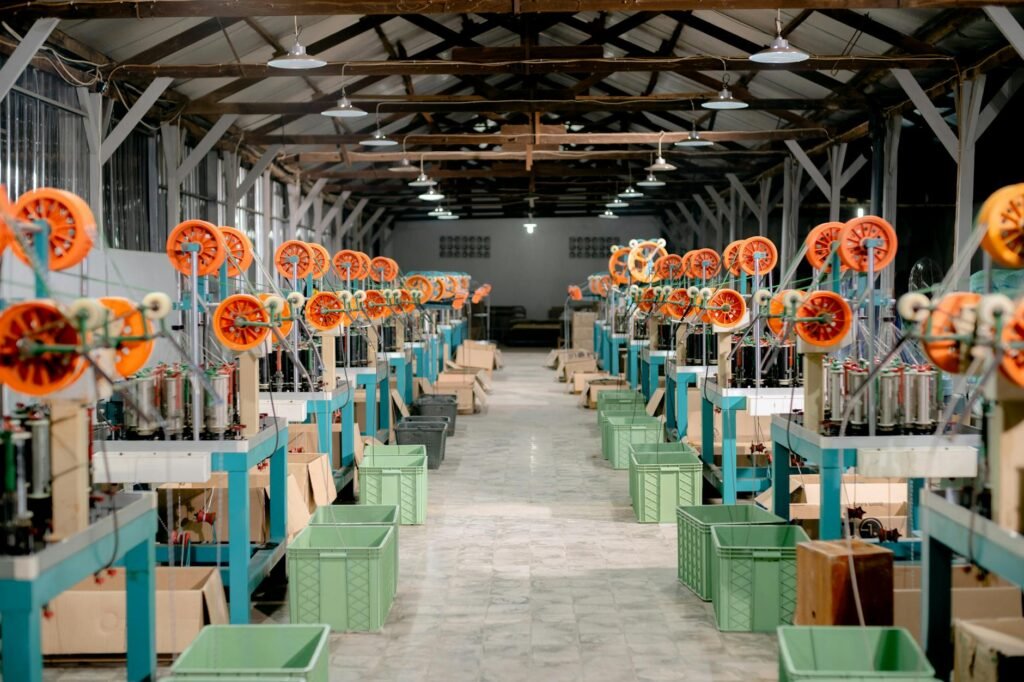
Karex, the world’s largest condom manufacturer, has announced a significant price increase of 30 percent, attributing the hike to escalating raw material costs and widespread disruptions in global shipping networks. The Malaysian company, responsible for producing approximately five billion condoms annually, is facing a challenging economic environment that is impacting its operational expenses and supply chain reliability.
The escalating cost of essential raw materials, such as natural rubber latex, has become a primary driver for the price adjustment. Global demand for these commodities, coupled with production challenges in key sourcing regions, has pushed prices upward. Furthermore, the ongoing geopolitical tensions, particularly the conflict in Iran, have exacerbated existing logistical hurdles. These disruptions affect shipping routes, increase freight costs, and contribute to longer delivery times, all of which add to the overall cost of doing business for Karex. As per information available with TahirRihat.com, the company’s decision reflects a broader trend of rising production costs across various industries reliant on global supply chains.
The impact of these price increases is expected to be felt by consumers worldwide, potentially affecting access to affordable sexual health products. Karex’s substantial market share means that its pricing decisions have a ripple effect across the global market. The company’s statement highlighted that the price adjustment is a necessary measure to ensure the continued production and availability of its products while maintaining quality standards. The intricate web of global trade, often taken for granted, is demonstrating its fragility when faced with significant geopolitical events and economic pressures. The war in Iran, while geographically distant for many, has demonstrated its far-reaching consequences, extending even to the manufacturing of everyday consumer goods.
Industry analysts suggest that the situation faced by Karex is indicative of a larger global economic recalibration. Companies are being forced to re-evaluate their supply chain strategies, seeking greater resilience and cost-effectiveness in the face of unpredictable global events. The reliance on just-in-time inventory and single-source suppliers is proving to be a vulnerability. As a result, businesses are exploring options such as diversifying their supplier base, increasing buffer stocks, and even exploring nearshoring or reshoring of production where feasible. However, for a company like Karex, which operates on a massive scale, such fundamental shifts in production and logistics require significant investment and time.
The increase in condom prices could have implications for public health initiatives that rely on the widespread availability of affordable contraceptives. Many non-governmental organizations and government health programs procure condoms in bulk to distribute to vulnerable populations. A 30 percent price hike could strain the budgets of these organizations, potentially leading to reduced distribution or a shift towards less expensive, potentially lower-quality alternatives. Ensuring continued access to safe and effective sexual health products remains a critical public health objective, and disruptions in supply or affordability pose a significant challenge to achieving this goal. The intricate relationship between global economics, geopolitical stability, and public health outcomes is once again brought into sharp focus by this development.
Karex’s announcement serves as a stark reminder of the interconnectedness of the global economy. Events unfolding in one region of the world can have tangible and immediate effects on consumer goods and services thousands of miles away. The company’s commitment to quality and its position as a leading producer underscore the importance of its operations to global sexual health. However, the economic realities it faces necessitate difficult decisions that will undoubtedly shape the market for condoms in the coming months and years. The company’s ability to navigate these challenges will be closely watched by both industry peers and public health advocates alike.
The complexities of modern manufacturing and distribution mean that even seemingly simple products are subject to a vast array of external factors. From the cultivation of rubber trees to the intricate logistics of shipping finished goods across continents, each step in the process is vulnerable to disruption. The current global climate, marked by ongoing conflicts and economic uncertainty, has amplified these vulnerabilities. Karex’s situation is not an isolated incident but rather a symptom of a broader economic landscape that is demanding greater adaptability and resilience from businesses of all sizes. The company’s proactive approach in communicating its challenges and the reasons behind its price adjustments is a testament to its transparency in a difficult market.
The long-term implications of such price increases extend beyond immediate affordability. They can influence consumer behavior, potentially leading to a decrease in condom usage if alternatives are not readily available or if the perceived cost becomes prohibitive. This, in turn, could have broader public health consequences related to unintended pregnancies and the transmission of sexually transmitted infections. Therefore, the stability and affordability of essential health products like condoms are not merely economic concerns but also critical components of public health infrastructure. The global community’s response to these challenges will be crucial in ensuring that essential health services remain accessible to all, regardless of economic fluctuations or geopolitical instability.


Tahir Rihat (also known as Tahir Bilal) is an independent journalist, activist, and digital media professional from the Chenab Valley of Jammu and Kashmir, India. He is best known for his work as the Online Editor at The Chenab Times.