


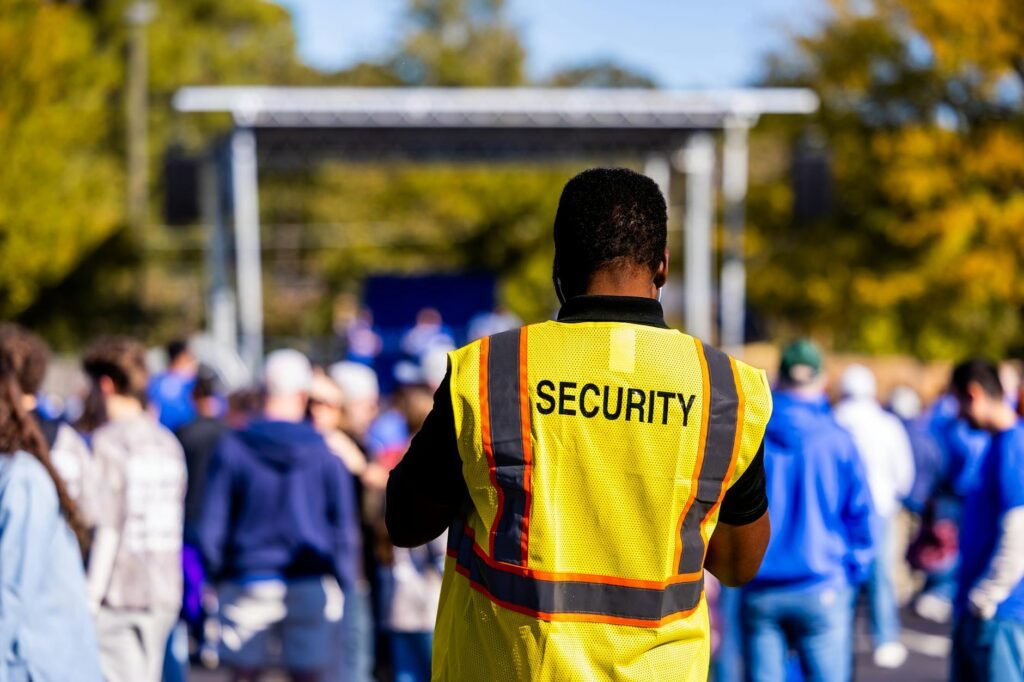
A shooting incident unfolded in Washington D.C. as a gunman, who had reportedly penned a “manifesto,” attempted to breach a dinner event attended by members of the White House press corps. The president, speaking about the event, indicated that the individual was apprehended before gaining entry to the gathering.
Details surrounding the motive and the specific nature of the “manifesto” were not immediately disclosed, but the president’s statement to the press highlighted the gravity of the situation and the potential threat averted. The incident, which occurred in the nation’s capital, has raised immediate concerns about security protocols for high-profile events and the safety of journalists covering the administration.
As per information available with TahirRihat.com, the individual was stopped as they tried to enter the venue for the dinner, a significant annual event for the White House Correspondents’ Association. The organization typically hosts a gala dinner that brings together journalists, politicians, and public figures, including the president. The attempted breach occurred amidst heightened security measures, which are standard for such gatherings, but the presence of a weapon and a stated intent to enter the event underscore a serious security lapse or a determined effort by the perpetrator.
The president’s remarks, made shortly after the incident, emphasized the swift action taken by security personnel. He described the individual as having a “manifesto,” a term often associated with individuals who commit acts of violence with a stated ideological or personal grievance. The implication is that the act was premeditated and potentially driven by a specific agenda, rather than a spontaneous outburst. The investigation into the contents of this manifesto and the gunman’s background is expected to be a primary focus for law enforcement agencies, including the Secret Service and the FBI, who are likely to be involved in the probe.
The White House Correspondents’ Dinner, often referred to as the “nerd prom,” is a long-standing tradition that serves as a platform for both satire and serious commentary on the role of the press in a democracy. This year’s event, however, was overshadowed by the security scare. The immediate aftermath saw a heightened police presence and a thorough sweep of the venue to ensure no further threats existed. Attendees, while likely shaken, would have been reassured by the prompt response that prevented a potential catastrophe.
The incident brings to the forefront the ongoing challenges of protecting public figures and journalists from individuals who may harbor violent intentions. In an era where political rhetoric can be highly charged, and the media often finds itself at the center of public discourse, the safety of those involved in reporting and governance remains a paramount concern. The president’s direct involvement in commenting on the incident, even briefly, signals the administration’s recognition of the seriousness of the event and its commitment to addressing any underlying issues that may have contributed to it.
Further details are anticipated to emerge as the investigation progresses. Law enforcement agencies will be working to piece together the gunman’s movements leading up to the attempted breach, their connections, and the full scope of their intentions. The nature of the “manifesto” will be crucial in understanding the broader context of the event and whether it points to any larger extremist ideologies or specific grievances against the press or the government. The outcome of this investigation will likely inform future security strategies for similar events and potentially lead to policy changes aimed at preventing such incidents from occurring again.
The incident serves as a stark reminder of the persistent threats faced by those in public service and the media. The quick thinking and decisive action of the security detail are credited with averting a potentially tragic outcome. The focus now shifts to the investigative process, which will aim to provide a comprehensive understanding of the events and ensure accountability.


Tahir Rihat (also known as Tahir Bilal) is an independent journalist, activist, and digital media professional from the Chenab Valley of Jammu and Kashmir, India. He is best known for his work as the Online Editor at The Chenab Times.