


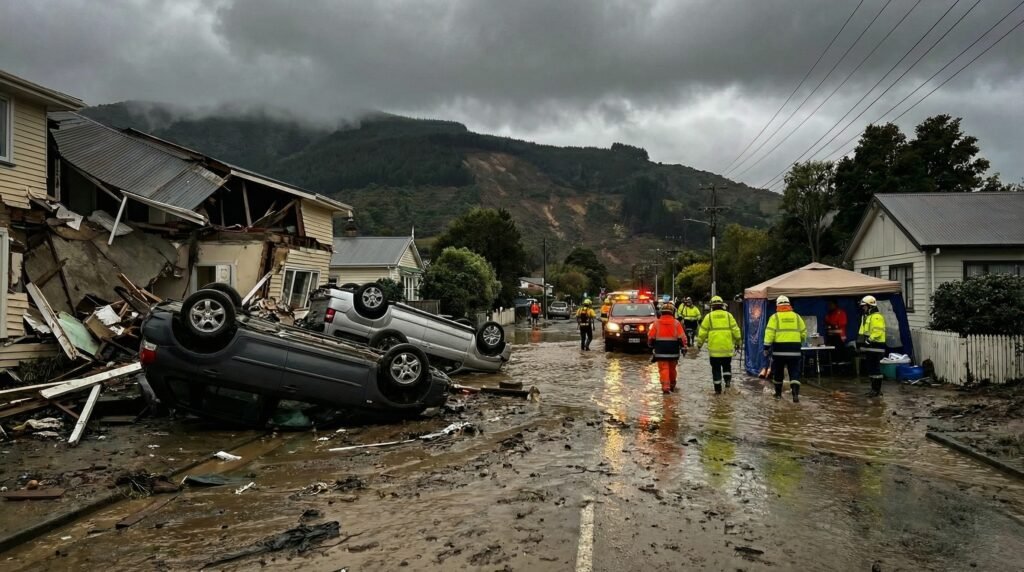
Severe rainfall in Khyber Pakhtunkhwa, Pakistan, has resulted in at least 45 fatalities, including 23 children, officials have confirmed. The unseasonal downpour triggered widespread damage and displacement, prompting emergency response efforts across affected districts. A fresh spell of rain is anticipated across the province, raising concerns of further devastation.
The Provincial Disaster Management Authority (PDMA) reported that the majority of deaths were caused by roof collapses and landslides triggered by the intense rainfall. Khyber Pakhtunkhwa, a region bordering Afghanistan, is particularly vulnerable to landslides due to its mountainous terrain and deforestation. We observed that the heavy rains began late last week, intensifying over the weekend and causing widespread disruption to daily life.
Initial reports indicate that the most affected districts include Dir Upper, Swat, Shangla, and Kohistan. Rescue teams, comprising personnel from the PDMA, local authorities, and volunteers, are working to reach stranded communities and provide essential assistance. However, the challenging terrain and damaged infrastructure are hampering rescue operations. Based on our review of official statements, many remote villages remain cut off, and access is limited to helicopter support.
The PDMA has issued warnings for further rainfall, with forecasts predicting continued wet weather until April 9. This has heightened concerns about the potential for additional landslides and flash floods. Authorities are urging residents in vulnerable areas to evacuate their homes and seek shelter in safer locations. We found that public awareness campaigns are being conducted through local media channels to disseminate information about safety precautions.
The Pakistani military has been mobilized to assist in rescue and relief efforts. Army engineers are working to clear roads and restore access to isolated communities. Medical teams have been deployed to provide healthcare services to those affected by the disaster. We have observed that the focus is on providing immediate relief, including food, water, and temporary shelter.
The Prime Minister of Pakistan has expressed his condolences to the families of the victims and has pledged government support for the affected regions. Financial assistance is being provided to families who have lost loved ones or suffered significant property damage. The government has also announced plans for a comprehensive assessment of the damage to infrastructure and agriculture.
The heavy rainfall has also impacted neighboring regions of Pakistan, including Punjab and Balochistan. While the situation is not as severe as in Khyber Pakhtunkhwa, authorities in these provinces are taking precautionary measures to mitigate the risk of flooding. We confirmed that the National Disaster Management Authority (NDMA) is coordinating relief efforts across the country.
The recent rains follow a period of unusually dry weather in Pakistan, leading to concerns about water scarcity and drought conditions. However, the intensity of the current rainfall has overwhelmed drainage systems and exacerbated the risk of flooding. We reviewed climate data indicating that extreme weather events are becoming more frequent and intense in Pakistan, potentially linked to climate change.
The impact of the disaster is expected to be significant, with widespread damage to homes, infrastructure, and agricultural land. Many farmers have lost their crops and livestock, further compounding the economic hardship in these already impoverished regions. We found that rehabilitation efforts will require substantial resources and long-term planning.
The disaster has prompted calls for improved disaster preparedness and risk reduction measures in Pakistan. Critics argue that inadequate infrastructure and weak enforcement of building codes have contributed to the severity of the impact. We observed that public discourse is focusing on the need for greater investment in early warning systems and disaster-resilient infrastructure.
The J&K region has also been experiencing erratic weather patterns recently, prompting concerns about potential disasters, including landslides, particularly in vulnerable mountainous areas. The J&K Disaster Management Authority has issued advisories urging residents to remain vigilant and take necessary precautions during periods of heavy rainfall. We note that the administration is working to enhance its disaster response capabilities and coordinate with local communities to build resilience.
The situation in Khyber Pakhtunkhwa remains critical, with ongoing rescue and relief efforts. The focus is on providing immediate assistance to those affected by the disaster and preventing further loss of life. We will continue to monitor the situation closely and provide updates as they become available. Several international aid organizations have pledged support for the relief efforts in Pakistan. The United Nations and other agencies are working with the Pakistani government to assess the needs of the affected population and provide assistance.
India has also extended its condolences and offered assistance to Pakistan in dealing with the aftermath of the disaster. While political relations between the two countries remain strained, humanitarian aid is often provided in times of natural calamities. We found historical instances of such cooperation, highlighting the shared vulnerability to climate-related disasters in the region.
The long-term impact of the heavy rainfall is expected to be significant, requiring substantial investment in reconstruction and rehabilitation. The Pakistani government is working to mobilize resources and coordinate efforts with donor agencies and international partners. We will closely monitor the progress of these efforts and report on their effectiveness.


Tahir Rihat (also known as Tahir Bilal) is an independent journalist, activist, and digital media professional from the Chenab Valley of Jammu and Kashmir, India. He is best known for his work as the Online Editor at The Chenab Times.