


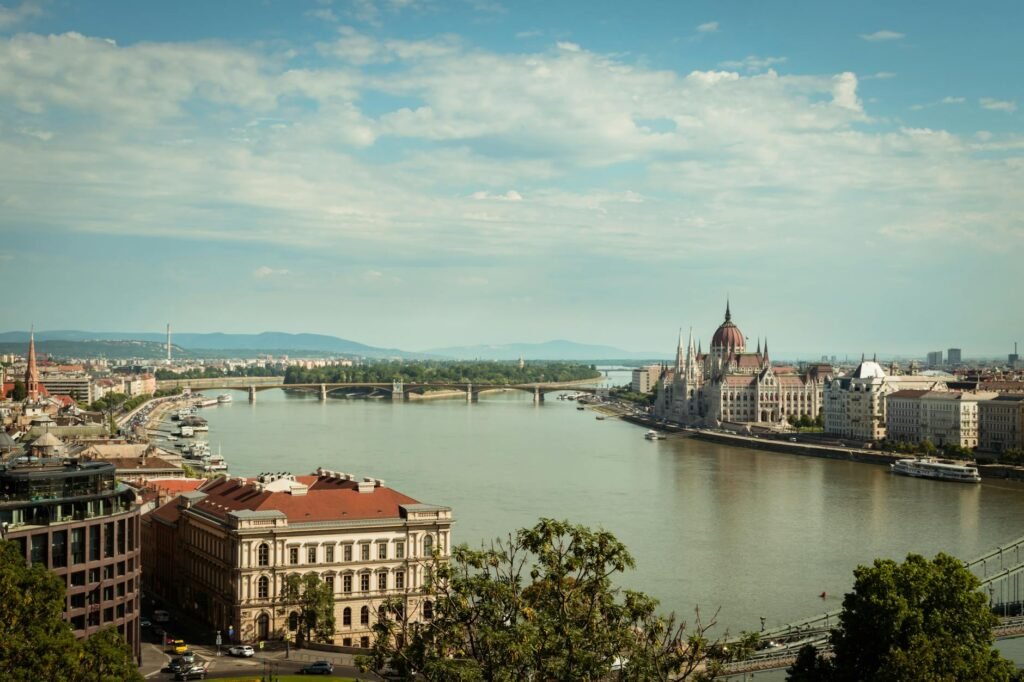
Hungary’s political landscape has experienced a notable shift as Prime Minister Viktor Orban, a dominant figure in Hungarian politics for over a decade and an inspiration to populist movements globally, conceded ground to Peter Magyar, a relatively new entrant. This development signals a potential reshaping of the political dynamics within Hungary and possibly across Europe.
The rise of Magyar reflects a growing sentiment of dissatisfaction among Hungarian citizens, who have been increasingly vocal about issues ranging from economic policies to perceived democratic backsliding. Orban’s Fidesz party, while maintaining a strong base of support, has faced criticisms over its control of the media and its approach to judicial independence, issues that have resonated with a segment of the population eager for change. This discontent, coupled with Magyar’s emergence as a viable alternative has culminated in the recent electoral outcome.
Peter Magyar’s political ascent is noteworthy. He previously maintained connections to the ruling Fidesz party, offering him an initial inside perspective on the establishment. However, he emerged as a vocal critic of the Orban government and presented himself as an advocate for transparency, accountability, and a renewed commitment to democratic values. Magyar’s campaign has focused on addressing corruption, strengthening institutions, and re-establishing Hungary’s standing within the European Union.
The implications of Magyar’s gains are multifaceted. Domestically, it could lead to a more competitive political environment, potentially forcing Fidesz to adapt its policies and strategies to address the concerns raised by the opposition. This could involve reforms aimed at enhancing transparency, promoting judicial independence, and fostering a more open media landscape. Furthermore, Magyar’s success could embolden other opposition parties and movements across Europe, particularly those advocating for similar reforms and a more centrist approach to governance.
Hungary’s relationship with the European Union has often been strained under Orban’s leadership, particularly regarding rule-of-law issues and migration policies. Magyar has conveyed his interest in mending these strained relationships and fostering closer cooperation. This could result in Hungary playing a more constructive role within the EU, potentially influencing policy decisions on issues such as climate change, economic recovery, and security.
The political developments in Hungary occur against a backdrop of broader geopolitical shifts. Russia’s ongoing war in Ukraine has cast a shadow over the region, influencing energy security, economic stability, and political alliances. Hungary’s stance on the conflict, often perceived as more nuanced than that of its EU allies, has been subject of discussion. The rise of Magyar presents an opportunity for Hungary to reassess its position and potentially align more closely with the broader European consensus on the conflict.
In India, similar dynamics are observable, particularly in the context of regional elections and the rise of alternative political voices. The Aam Aadmi Party’s emergence in Delhi and Punjab, for example, demonstrates how public dissatisfaction with established parties can pave the way for new political movements. Issues such as corruption, governance, and social justice resonate with voters across different regions, highlighting the importance of responsive and accountable leadership.
The situation in Jammu and Kashmir also reflects the importance of addressing public grievances and fostering inclusive governance. The region has experienced significant political and social changes in recent years, and there is a growing need for dialogue and engagement to address the concerns of the local population. Political movements that prioritize transparency, accountability, and participatory democracy are likely to find resonance among the people of Jammu and Kashmir.
The recent elections in Hungary are a reminder of the ever-evolving nature of politics and the importance of adapting to changing public sentiments. As countries around the world grapple with complex challenges, the ability to address public grievances, foster inclusive governance, and promote democratic values will be crucial for maintaining stability and prosperity. We will continue to monitor the situation in Hungary and provide updates as the political landscape evolves.
We reviewed various news reports and statements to compile this report. We focused on verifiable facts and refrained from including speculative or unconfirmed information. The analysis presented here is based on publicly available data and expert opinions.


Tahir Rihat (also known as Tahir Bilal) is an independent journalist, activist, and digital media professional from the Chenab Valley of Jammu and Kashmir, India. He is best known for his work as the Online Editor at The Chenab Times.