


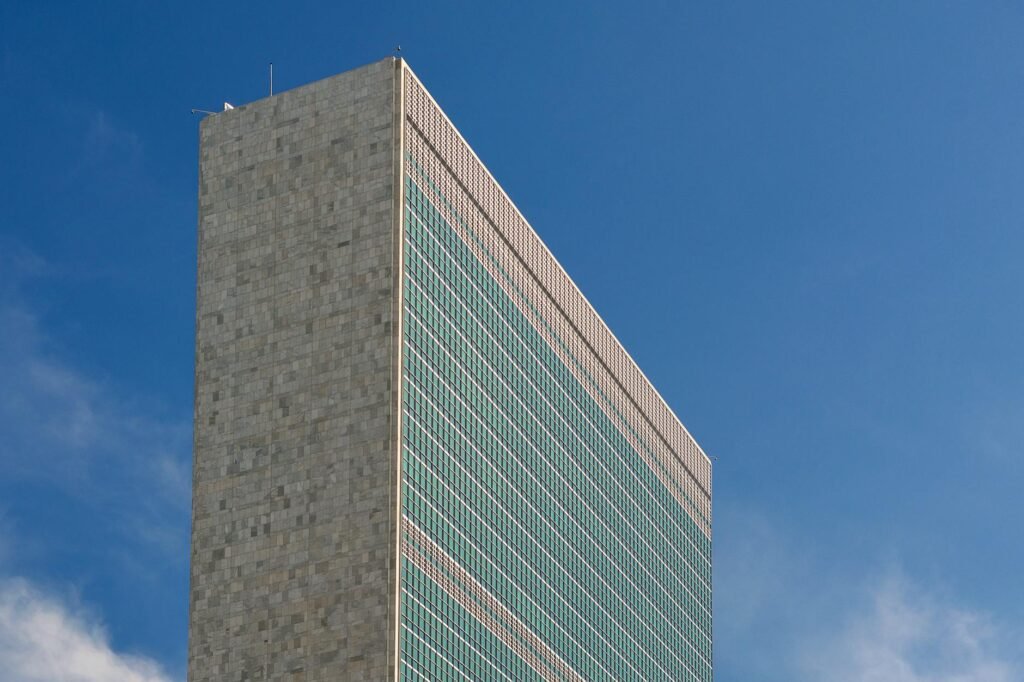
A senior Indian diplomat recently met with United Nations Secretary-General Antonio Guterres at the UN headquarters in New York, a meeting that served to underscore New Delhi’s steadfast commitment to the principles of multilateralism. The discussions, which took place on Wednesday, focused on critical areas of reform within the United Nations and the imperative of amplifying the voice of the Global South on the international stage. This emphasis on greater representation for developing nations is a policy that India has consistently championed through various initiatives, including the India-UN Development Partnership Fund, as reported by the Ministry of External Affairs official spokesperson, Randhir Jaiswal, in a post on X.
Ambassador Sibi George, who holds the position of Secretary (West) in the Ministry of External Affairs, commenced his official visit to the UN on Monday. His engagement began with a solemn act of paying floral tributes at the bust of Mahatma Gandhi, a poignant symbol of peace and diplomacy, located within the UN Headquarters. This symbolic gesture set the tone for a week of intensive diplomatic engagements aimed at strengthening India’s role and influence within the global multilateral framework. Information reaching TahirRihat.com suggests that the Ambassador’s visit was strategically timed to coincide with ongoing dialogues concerning the future direction of the United Nations.
Throughout the week, Ambassador George engaged in a series of high-level discussions with prominent UN officials. These meetings were instrumental in articulating India’s perspective on key global challenges and its vision for a more equitable and effective international system. A significant aspect of these dialogues involved highlighting the pressing need for enhanced representation in the permanent membership of the UN Security Council. India has been a vocal advocate for the inclusion of countries from the Global South in this crucial decision-making body, arguing that its current composition does not adequately reflect the geopolitical realities of the 21st century. The discussions also touched upon the ongoing process of UN reforms, with India stressing the importance of making the organization more responsive to the needs and aspirations of its member states, particularly those in the developing world.
Furthermore, Ambassador George participated in the interactive dialogues with the candidates vying for the position of the next Secretary-General of the United Nations. This process is crucial as the incumbent, Antonio Guterres, is set to complete his second consecutive five-year term on December 31st of this year. The selection of his successor will shape the trajectory of the UN for years to come, and India’s active participation in this process underscores its commitment to ensuring strong and effective leadership at the helm of the world body. The dialogues provided an opportunity for candidates to articulate their vision and for member states, including India, to assess their suitability for the demanding role of the world’s top diplomat. The discussions were reportedly candid and focused on the challenges and opportunities facing the UN in the current global climate.
The meetings and dialogues held by Ambassador George at the UN headquarters are indicative of India’s proactive foreign policy and its dedication to multilateralism. The emphasis on the Global South reflects a broader trend in international relations, where developing countries are increasingly seeking a greater say in global governance. India’s consistent advocacy for UN Security Council reform, particularly the expansion of permanent membership to include voices from Africa, Asia, and Latin America, is a testament to its commitment to a more inclusive and representative international order. The India-UN Development Partnership Fund, which has supported numerous projects in developing countries, serves as a concrete example of India’s contribution to global development and its commitment to South-South cooperation. The discussions with Secretary-General Guterres likely covered the progress and challenges of these initiatives, as well as potential avenues for future collaboration. The UN, facing a complex array of global crises, from climate change to geopolitical tensions, is in a continuous process of adaptation, and India’s engagement is crucial in shaping its future effectiveness.
The ongoing dialogue about UN reforms is not merely a procedural matter; it is a fundamental question about the legitimacy and efficacy of the world’s premier international organization. As the global landscape evolves, so too must the institutions designed to manage international affairs. India’s position, articulated through its diplomats at the highest levels, emphasizes that a reformed UN, one that is more representative and responsive, is essential for addressing the multifaceted challenges of our time. The discussions between Ambassador George and Secretary-General Guterres, therefore, represent a vital contribution to this ongoing global conversation, reinforcing India’s role as a responsible and constructive stakeholder in the international community. The outcomes of these discussions are expected to inform India’s future engagement with the UN and its efforts to promote a more just and equitable world order.


Tahir Rihat (also known as Tahir Bilal) is an independent journalist, activist, and digital media professional from the Chenab Valley of Jammu and Kashmir, India. He is best known for his work as the Online Editor at The Chenab Times.