


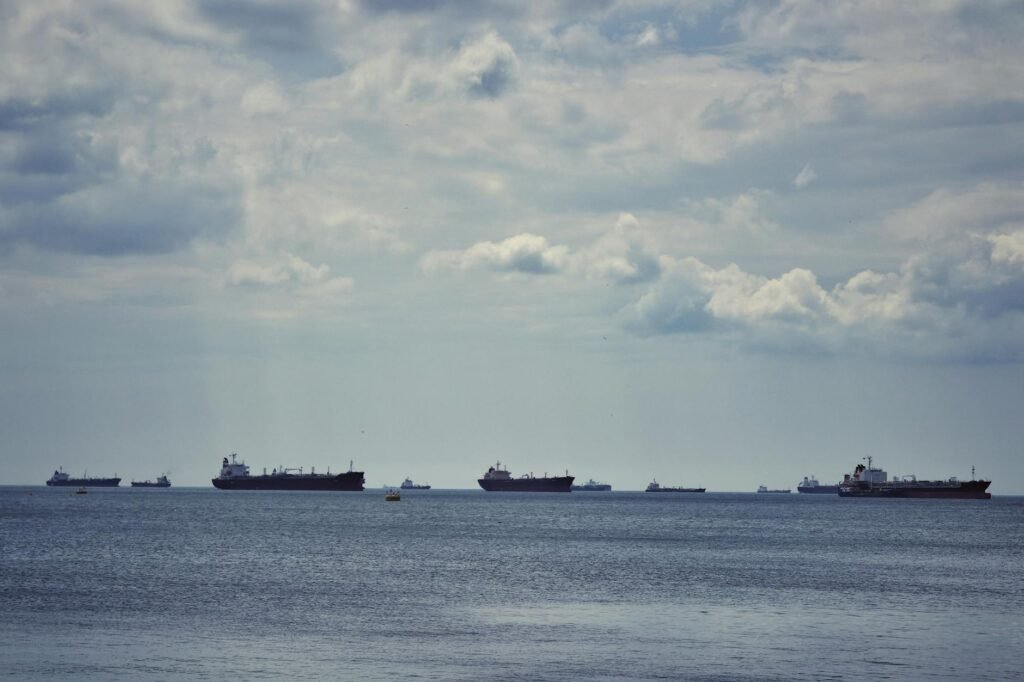
New Delhi has formally lodged a strong protest with Iran‘s ambassador following an incident in the Strait of Hormuz where Iranian Revolutionary Guards reportedly fired shots, forcing two Indian vessels to alter their course. The summons of Ambassador Mohammad Fathali to the external affairs ministry underscores the seriousness with which India views the security of its maritime traffic in this critical global waterway. The confrontation occurred shortly after Iran had announced the reopening of the Strait for commercial traffic on Friday, a move that was subsequently reversed, with Tehran alleging violations of prior understandings by the United States.
Sources familiar with the matter confirmed that India summoned the Iranian envoy to express its displeasure and lodge a formal protest over the aggressive actions taken against Indian commercial vessels. While there has been no official statement released by the Ministry of External Affairs regarding the specific details of the meeting with Ambassador Fathali, the summoning itself indicates a significant diplomatic engagement aimed at de-escalating tensions and ensuring the unimpeded passage of Indian shipping. Information reaching TahirRihat.com suggests that the incident has raised concerns within India’s maritime security establishment regarding the volatile situation in the Persian Gulf region.
The Strait of Hormuz, a narrow chasm between the Persian Gulf and the Gulf of Oman, is one of the world’s most vital choke points for oil shipments. Approximately 30% of the world’s seaborne oil trade passes through this strategic passage, making any disruption a matter of global economic concern. The repeated back-and-forth regarding the opening and closing of the Strait by Iran, coupled with the reported firing incident, highlights the precarious security environment that has been exacerbated by regional geopolitical dynamics. The Iranian Revolutionary Guards’ actions, as reported, represent a direct challenge to the freedom of navigation, a principle that India, as a major maritime power, strongly upholds.
Iran’s decision to close the Strait again on Saturday, as stated by Tehran, was attributed to alleged violations of understandings reached between the two nations. This assertion from the Iranian side suggests a complex web of diplomatic and security agreements that are reportedly being contested. The precise nature of these understandings and the specifics of the alleged violations have not been publicly disclosed, leaving room for interpretation and further diplomatic exchanges. The incident involving the Indian vessels occurred in the immediate aftermath of Iran’s announcement to reopen the waterway, adding a layer of complexity to the timeline of events and Iran’s motivations.
The implications of such incidents extend beyond immediate diplomatic protests. They can impact international shipping insurance rates, affect global oil prices, and potentially lead to a broader regional escalation. India, with its significant economic interests and growing reliance on maritime trade, has a vested interest in maintaining stability and security in the Strait of Hormuz. The country’s proactive diplomatic response, by summoning the Iranian envoy, signals its commitment to addressing such challenges through established diplomatic channels while also asserting its right to safe passage for its vessels. The Ministry of External Affairs is expected to monitor the situation closely and engage in further dialogue with Iranian authorities to prevent recurrence.
The incident also comes at a time when global powers are closely watching the developments in the Persian Gulf, particularly concerning Iran’s nuclear program and its regional influence. The Strait of Hormuz has frequently been a focal point of tensions, with various actors using it as a strategic lever. The reported firing by Iran’s Revolutionary Guards, if confirmed, could be interpreted as a show of force or a warning, the exact intent of which may become clearer through subsequent diplomatic communications. India’s diplomatic démarche is a crucial step in ensuring that its concerns are heard and addressed at the highest levels of the Iranian government.
The international community, including major maritime nations, will be keenly observing the fallout from this incident. The principle of freedom of navigation is a cornerstone of international maritime law, and any actions that threaten this principle are met with significant concern. India’s stance on this matter aligns with the broader international consensus on ensuring the safety and security of global shipping lanes. The Ministry of External Affairs’ swift action to summon the Iranian ambassador demonstrates India’s resolve to protect its economic and strategic interests in the face of such provocations. Further developments are anticipated as diplomatic engagements continue.


Tahir Rihat (also known as Tahir Bilal) is an independent journalist, activist, and digital media professional from the Chenab Valley of Jammu and Kashmir, India. He is best known for his work as the Online Editor at The Chenab Times.