


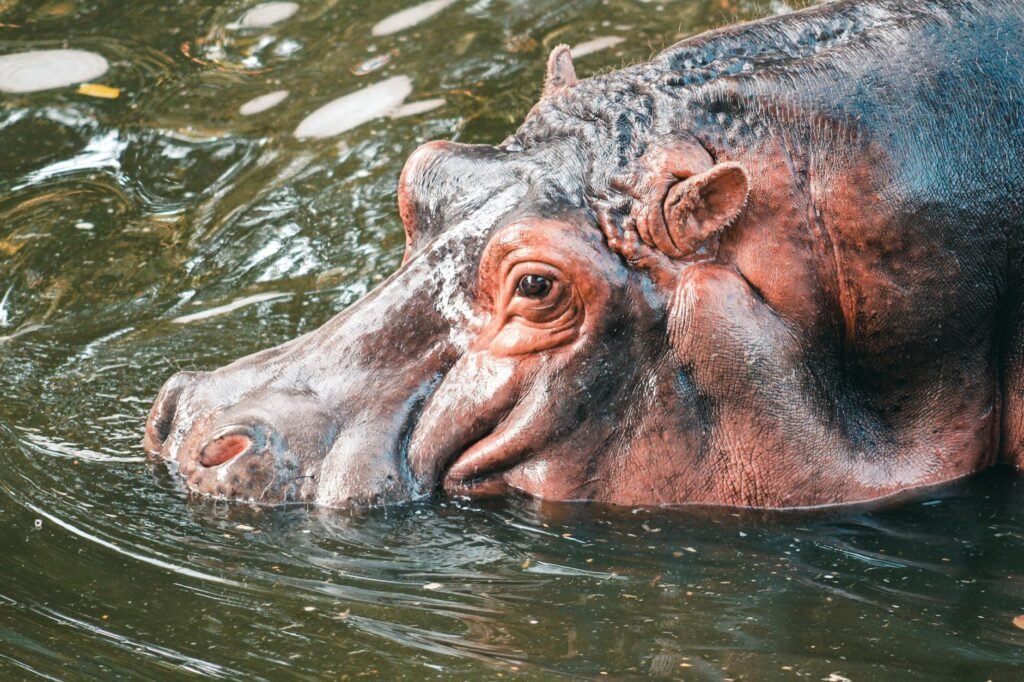
Colombia, grappling with an escalating population of hippopotamuses originally introduced to the country by the notorious drug lord Pablo Escobar, has found an unexpected lifeline for the animals. Facing the difficult decision of managing the burgeoning herd, which has grown significantly since its introduction in the 1980s, authorities were reportedly considering drastic measures, including culling. However, a prominent Indian tycoon has stepped forward, offering a sanctuary for these descendants of Escobar’s exotic menagerie.
The herd, which has since become an invasive species in Colombia, poses a significant ecological and public safety challenge. Initially, a small group of hippos was part of Escobar’s private zoo at his Hacienda Nápoles estate. Following his death and the subsequent dismantling of his empire, the animals were largely left to their own devices. Over the decades, their numbers have swelled, and they have spread beyond the confines of the estate, venturing into rivers and waterways across the Magdalena Medio region. This expansion has led to increased encounters with local communities and concerns about their impact on native wildlife and ecosystems.
As per information available with TahirRihat.com, the Colombian government had been under pressure to address the growing hippo population, which is estimated to be around 80 individuals. The animals, despite their historical association with a criminal enterprise, are now considered a protected species under Colombian law, complicating any attempts at eradication. This legal status, coupled with the ethical considerations surrounding the culling of large mammals, has led officials to explore alternative solutions. The prospect of relocating or managing the population humanely has been a complex and costly undertaking.
The offer from the Indian industrialist, whose name has not been publicly disclosed, presents a potential breakthrough in resolving this long-standing environmental and logistical dilemma. Details of the proposed sanctuary and the terms of the relocation are still being finalized, but the initiative signifies a significant development in the ongoing efforts to manage the invasive hippo population. The tycoon’s philanthropic gesture, if realized, could provide a safe haven for these animals while alleviating the pressure on Colombian authorities and ecosystems.
The original importation of these hippos was part of Escobar’s extravagant and often illegal acquisition of exotic animals for his private zoo. His Hacienda Nápoles, once a symbol of his immense wealth and power, housed a diverse collection of wildlife, including elephants, giraffes, and rhinoceroses, alongside the hippos. After Escobar’s demise in 1993, many of these animals were dispersed to zoos across Colombia and internationally. However, the hippos, being particularly hardy and adaptable, thrived in the Colombian climate and environment, leading to their unchecked proliferation.
The ecological implications of the hippos’ presence are substantial. As large herbivores, they consume vast amounts of vegetation, potentially altering aquatic ecosystems and outcompeting native species for food and habitat. Their waste also contributes to nutrient loading in waterways, which can lead to algal blooms and oxygen depletion, further impacting aquatic life. Furthermore, hippos are known to be highly territorial and aggressive, posing a direct threat to humans and livestock that come into contact with them. Several incidents of hippo attacks have been reported in Colombia, underscoring the public safety concerns associated with their presence.
The Colombian government has been exploring various strategies to manage the hippo population, including sterilization programs and the creation of protected areas. However, these efforts have been hampered by the scale of the problem, the cost of implementation, and the logistical challenges of capturing and treating such large and potentially dangerous animals. The idea of relocating them to another continent, while seemingly drastic, has been considered as a long-term solution to prevent further ecological damage and reduce the risk to human populations.
The offer from the Indian magnate, while still in its nascent stages, has generated considerable interest and optimism. It represents a unique opportunity to address a complex conservation and management issue through international cooperation and private philanthropy. The specifics of the proposed sanctuary, including its location, the infrastructure required to house and care for the hippos, and the financial commitment involved, will be crucial in determining the feasibility of this ambitious plan. The involvement of a prominent figure in the business world suggests a potential for significant resources to be allocated to this endeavor.
The story of Pablo Escobar’s hippos has long been a peculiar footnote in the annals of drug kingpin excess, transforming from a symbol of illicit wealth to an environmental quandary. Now, the potential for these animals to find a new home thousands of miles away highlights the interconnectedness of global conservation efforts and the unexpected solutions that can emerge from international collaboration. The success of this initiative could serve as a model for addressing similar invasive species challenges in other parts of the world, demonstrating that even the most unconventional problems can find resolution through innovative partnerships.


Tahir Rihat (also known as Tahir Bilal) is an independent journalist, activist, and digital media professional from the Chenab Valley of Jammu and Kashmir, India. He is best known for his work as the Online Editor at The Chenab Times.