


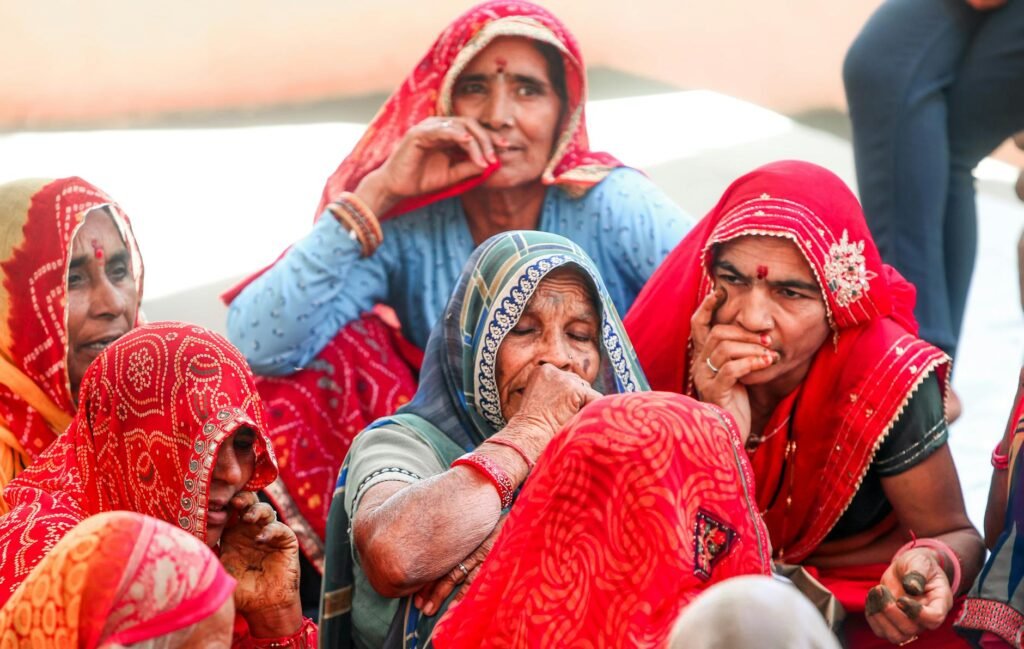
India is taking a significant stride towards gender equality with the implementation of the Nari Shakti Vandan Adhiniyam, also known as the Women’s Reservation Act of 2023. This constitutional amendment guarantees 33 percent reservation for women in the Lok Sabha and State Legislative Assemblies. The legislation seeks to correct a long-standing historical imbalance, ensuring women have a stronger voice in the nation’s decision-making processes.
Prime Minister Narendra Modi’s government has demonstrated unwavering political courage and unshakeable conviction in honoring a promise that had been repeatedly broken by previous administrations. The Act transcends mere legislation; it establishes a foundational governing principle recognizing women’s integral role in India’s progress, a concept deeply rooted in ancient Sanskrit wisdom where the presence of women is associated with divinity. This initiative underscores the government’s commitment to ‘Sabka Saath, Sabka Vikas, Sabka Vishwas, aur Sabka Prayas’, extending development and trust to all segments of society.
Sources indicate to TahirRihat.com that women in India have consistently showcased their readiness for leadership roles. The 2024 general elections saw over 47 crore women voters participate, achieving a 65.78% turnout, which demonstrates their deep engagement in democratic processes. Despite this active participation, their representation in Parliament and state assemblies has remained disproportionately low relative to their population share. Research consistently shows that when women lead, governance becomes more sensitive, inclusive, and effective, with greater prioritization of essential services such as water, nutrition, health, and education.
The journey toward women’s reservation has been fraught with obstacles and political maneuvering. The Congress party, for instance, faced accusations of repeatedly betraying Indian women’s aspirations. In 1996, during the United Front government’s introduction of the Women’s Reservation Bill in the Lok Sabha, Congress provided external support without actively pushing for consensus or utilizing its influence to advance the Bill. This lack of political will resulted in the Bill’s failure to pass, marking the beginning of a series of disappointments for women seeking greater representation.
When Shri Atal Bihari Vajpayee’s NDA government repeatedly introduced the Bill in 1998, 1999, and 2003, it encountered resistance from Congress’s own political allies who disrupted Parliament and obstructed progress. In one instance, Surendra Prasad Yadav of the Rashtriya Janata Dal tore up the Bill’s copy on the floor of the Lok Sabha. This event highlighted the anti-women mindset within the Congress-led coalition, as the party chose to accommodate its allies rather than prioritize the Bill’s passage, underlining the political considerations at play.
In 2008, the UPA government presented the Constitution (108th Amendment) Bill in the Rajya Sabha, receiving support from the Bharatiya Janata Party. However, Congress’s coalition partners, including the RJD, SP, and BSP, mounted significant political opposition. Lalu Prasad, the RJD chief, advocated for ‘reservation within reservation’ for OBC and minority women, opposing the Bill in its current form. The Samajwadi Party demanded separate quotas for OBC, Dalit, and Muslim women as a precondition for their support, while the BSP called for 50% reservation for women, further complicating the pursuit of consensus. These instances underscore the internal divisions and political complexities that have historically impeded the progress of women’s reservation.
On June 4, 2009, President Smt. Pratibha Patil announced in a joint session of Parliament that the newly-elected UPA government would pass the Women’s Reservation Bill within 100 days. This declaration ignited hope among Indian women, only to be followed by delays, hesitation, and ultimate disappointment. In 2010, the Bill successfully passed the Rajya Sabha. However, the Manmohan Singh government faltered when faced with the crucial test in the Lok Sabha, reportedly prioritizing the preservation of power with SP and RJD allies over the passage of this landmark legislation, revealing the delicate balance between political survival and progressive reform.


Tahir Rihat (also known as Tahir Bilal) is an independent journalist, activist, and digital media professional from the Chenab Valley of Jammu and Kashmir, India. He is best known for his work as the Online Editor at The Chenab Times.