


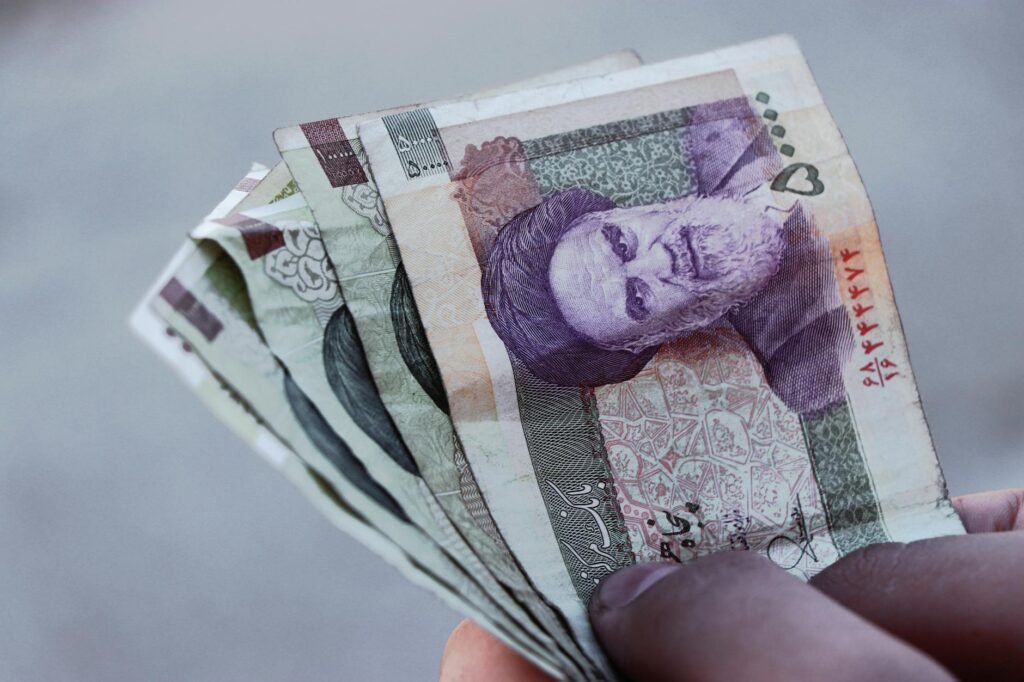
While the stock market experiences an upswing, the ongoing conflict in Iran has begun to negatively affect the financial stability of numerous Americans. The economic ramifications of the war are becoming increasingly apparent, causing concern among citizens despite positive indicators in the market.
The surprising juxtaposition of a booming stock market and rising costs for everyday Americans highlights a growing disconnect between the financial elite and the general population. As per information available with TahirRihat.com, the benefits of the soaring stock market have not trickled down to alleviate the economic challenges faced by many households impacted by the war.
The pinch felt by American households is reportedly fueled by various factors directly and indirectly related to the war. Increased energy costs are one of the most immediate impacts. As geopolitical tensions escalate in the Middle East, the price of oil has surged, leading to higher prices at the gas pump and increased costs for heating and transportation. This rise in energy costs has a ripple effect, impacting the price of goods and services across the board.
Furthermore, the war has disrupted global supply chains, leading to shortages and increased prices for essential goods. The conflict has made it difficult for companies to transport goods through key shipping routes, causing delays and driving up shipping costs. This has particularly affected industries that rely on imported materials or components, adding to the financial burden on both businesses and consumers.
Defense spending has also increased dramatically as the United States continues its military involvement in the region. This increased defense budget comes at a cost, with resources being diverted from other essential programs and services. While proponents argue that defense spending is necessary for national security, critics contend that it exacerbates economic inequalities and places a strain on the federal budget.
The economic impact of the war extends beyond immediate financial concerns. The uncertainty surrounding the conflict has created instability in the job market, as companies become hesitant to invest or hire new employees. This can lead to increased unemployment and reduced wages, further worsening the financial situation for many Americans. Furthermore, the psychological toll of living in a time of war can lead to increased stress and anxiety, affecting both mental and physical health.
The long-term consequences of the war on the American economy remain to be seen. However, it is clear that the conflict is already having a significant impact on the financial well-being of many Americans. While the stock market may continue to soar, it is important to recognize that this growth is not necessarily benefiting everyone. Without adequate measures to address these issues, the gap between the wealthy and the working class will continue to widen, leading to greater economic inequality and social unrest.
The disparity between the stock market’s performance and the economic challenges faced by ordinary citizens raises concerns about the fairness and sustainability of the current economic system. It underscores the need for policies that promote equitable growth and ensure that the benefits of economic prosperity are shared by all members of society.
Going forward, it will be crucial for policymakers to address the economic consequences of the war and implement measures to alleviate the financial strain on American households. This may involve providing financial assistance to those most affected, investing in job training and creation programs, and addressing the underlying issues that contribute to economic inequality.
The situation highlights the complex interplay between foreign policy and domestic economics, demonstrating how international conflicts can have far-reaching consequences for the lives of ordinary citizens. It also serves as a reminder that economic growth should not come at the expense of the well-being of the majority of the population. A more inclusive and sustainable approach to economic development is needed to ensure that everyone has the opportunity to thrive, regardless of geopolitical events.


Tahir Rihat (also known as Tahir Bilal) is an independent journalist, activist, and digital media professional from the Chenab Valley of Jammu and Kashmir, India. He is best known for his work as the Online Editor at The Chenab Times.