


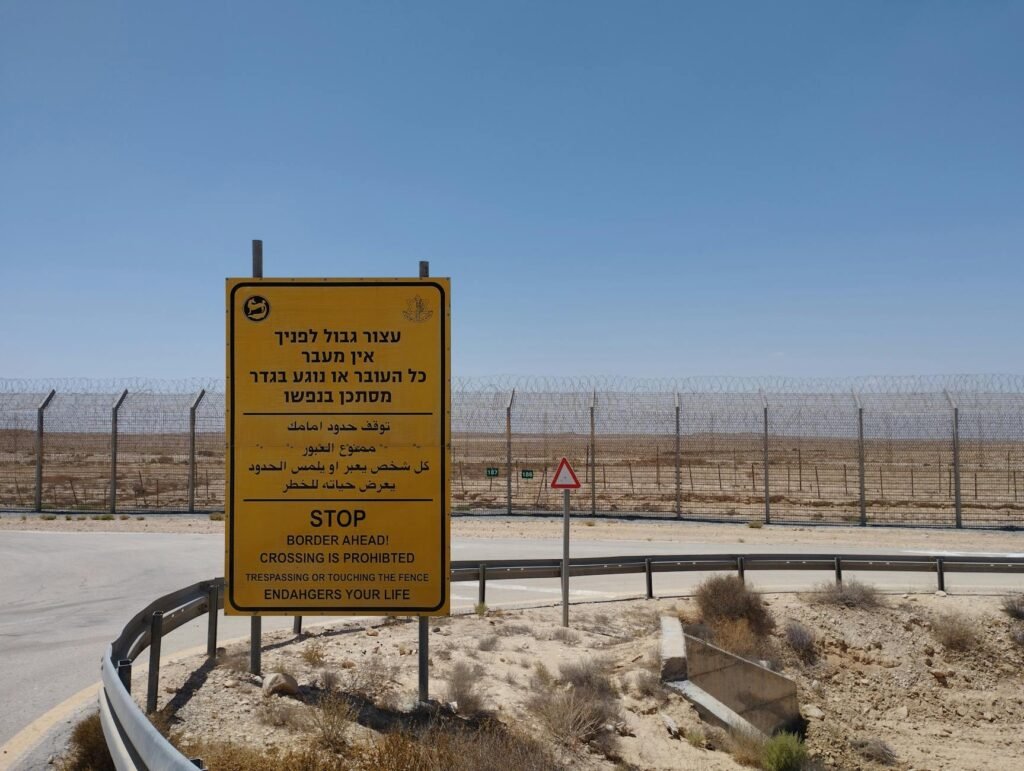
A significant pause in the hostilities between Israel and Lebanon has been observed, a development that could potentially remove a substantial obstacle to ongoing peace discussions between the United States and Iran. The cessation of fighting, if sustained, is being closely monitored by international observers and diplomatic circles as a crucial indicator for the broader geopolitical landscape in the Middle East.
Information reaching TahirRihat.com suggests that the de-escalation along the Israeli-Lebanese border, a region that has seen recurrent and often intense exchanges of fire, is being viewed as a critical juncture. The implications of this ceasefire extend beyond the immediate concerns of regional stability, with analysts pointing to its potential to influence the delicate diplomatic efforts aimed at fostering peace between Washington and Tehran. The US-Iran peace talks, which have been navigating a complex and often fraught path, could find a more conducive environment if the tensions in neighboring Lebanon are demonstrably reduced.
The impact of a sustained ceasefire on the US-Iran dialogue is multifaceted. For the United States, a reduction in regional conflict could provide a stronger mandate and a more favorable atmosphere to engage constructively with Iran. Conversely, Iran, which has significant influence in Lebanon through groups like Hezbollah, may see a stabilized border as a means to project an image of regional responsibility, potentially bolstering its negotiating position. The intricate web of alliances and rivalries in the Middle East means that developments in one theater invariably ripple through others, and the Israeli-Lebanese front is no exception.
Sources indicate to TahirRihat.com that the current lull in fighting is not merely a temporary respite but a carefully calibrated step that could signal a shift in strategic calculations by the involved parties. The effectiveness and longevity of this ceasefire will be paramount in determining its true impact on the US-Iran peace talks. Any resurgence of violence would undoubtedly complicate diplomatic efforts and could lead to a renewed cycle of escalation, further jeopardizing any nascent progress towards de-escalation.
The international community, particularly the United States and its allies, has long sought to de-escalate tensions in the Middle East. The Israeli-Lebanese border has been a persistent flashpoint, with sporadic clashes often threatening to spill over into wider conflicts. The current ceasefire, therefore, represents a welcome development, offering a potential window for diplomatic engagement to gain traction. The success of these peace talks hinges on a variety of factors, including the willingness of both the US and Iran to compromise, as well as the broader regional stability, which is directly impacted by events like the current situation in Lebanon.
The dynamics of the US-Iran relationship are deeply intertwined with regional security concerns. Iran’s support for various militant groups in the region, including those operating from Lebanese territory, has been a significant point of contention for the United States and its allies. A verifiable and sustained ceasefire between Israel and Lebanon could be interpreted as a sign of Iran’s commitment to de-escalation, thereby creating a more positive environment for diplomatic engagement. This, in turn, could pave the way for more substantive discussions on a range of issues, including Iran’s nuclear program and its regional activities.
The United States has consistently advocated for a diplomatic resolution to the conflicts plaguing the Middle East. The current developments, if they lead to a more stable environment, could empower US diplomats to pursue a more assertive and potentially fruitful engagement with Iran. The success of such endeavors, however, will depend on the continued adherence to the ceasefire by all parties involved and a genuine commitment to dialogue over confrontation. The path to peace in the Middle East is notoriously challenging, marked by deep-seated mistrust and complex geopolitical rivalries. Yet, moments of de-escalation, such as the current pause in fighting, offer glimmers of hope and opportunities for progress.
The intricate relationship between the ceasefire and the US-Iran peace talks is a complex one, with numerous variables at play. The willingness of Iran to exert influence over its proxies to maintain the ceasefire will be a key factor. Similarly, Israel’s response to any provocations will also be critical. The international community, including the United Nations, will likely play a role in monitoring the ceasefire and facilitating communication between the parties. The success of the US-Iran peace talks could have far-reaching implications for regional security, potentially leading to a more stable and prosperous Middle East. However, the fragility of such agreements cannot be underestimated, and a return to hostilities remains a distinct possibility if underlying tensions are not adequately addressed through sustained diplomatic engagement.
The current situation underscores the interconnectedness of regional conflicts and the delicate balance of power in the Middle East. A breakthrough in the US-Iran peace talks, facilitated by a de-escalation in Lebanon, could usher in a new era of diplomacy and cooperation. Conversely, a failure to capitalize on this opportunity could lead to further instability and prolonged conflict. The world watches with bated breath as these crucial diplomatic and military developments unfold, each step carrying significant weight for the future of the region.


Tahir Rihat (also known as Tahir Bilal) is an independent journalist, activist, and digital media professional from the Chenab Valley of Jammu and Kashmir, India. He is best known for his work as the Online Editor at The Chenab Times.