


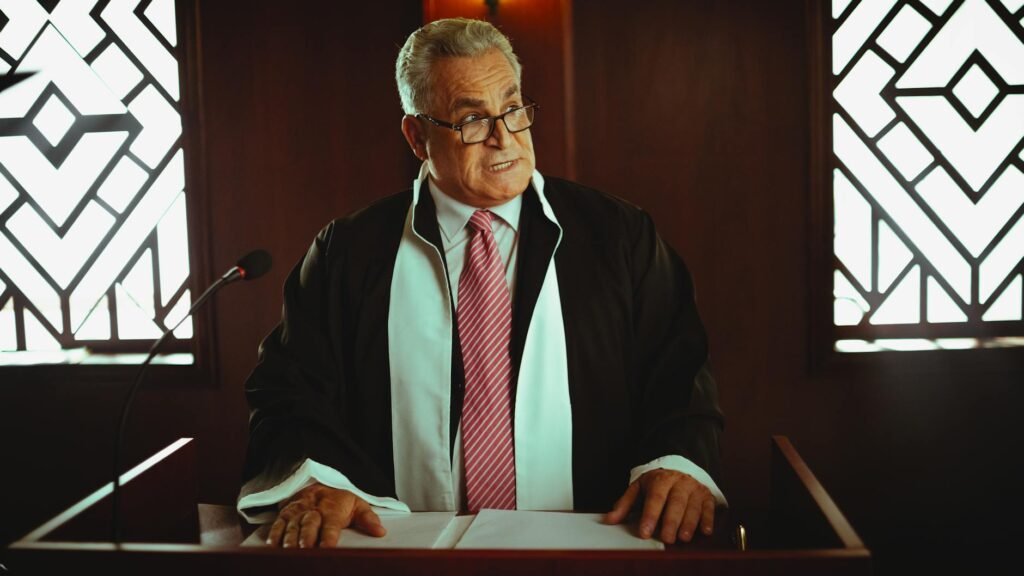
The fragile truce observed during recent regional tensions has given way to renewed political battles within Israel, specifically concerning the balance of power between the judiciary and the executive branches. A central point of contention is the role and authority of Itamar Ben-Gvir, a controversial figure overseeing the nation’s police force. The current Attorney General finds herself in opposition to Prime Minister Benjamin Netanyahu and his right-wing coalition government over the extent of Ben-Gvir’s powers and the oversight mechanisms in place.
The dispute has manifested in a high-profile court case that has drawn national attention and ignited passionate debate across the political spectrum. The core issue revolves around the extent to which political appointees should be subject to judicial review, particularly when their actions and policies are perceived as undermining democratic norms or infringing upon civil liberties. Information reaching TahirRihat.com suggests that this legal confrontation could potentially reshape the dynamics of Israeli politics, with implications far beyond the immediate case.
At the heart of the matter is a fundamental disagreement about the separation of powers and the role of the judiciary in safeguarding democratic principles. Supporters of the Attorney General argue that an independent judiciary is essential to check the power of the executive branch and prevent abuses of authority. They assert that the courts have a duty to intervene when government actions threaten to erode the rule of law or violate the rights of citizens. Conversely, allies of Prime Minister Netanyahu and Ben-Gvir contend that the judiciary has overstepped its bounds and is increasingly interfering in matters that should be left to the democratically elected government. They argue that the courts should defer to the will of the people and respect the decisions of the executive branch, except in the most egregious cases of illegality or abuse.
The legal battle over Ben-Gvir is viewed by many as a proxy fight over the future of Israeli democracy. Critics of the government argue that it is attempting to weaken the judiciary and consolidate power in the hands of the executive branch. They point to a series of legislative initiatives aimed at curbing the powers of the courts and limiting their ability to review government decisions. (According to The New York Times, “These proposed reforms would fundamentally alter the balance of power in Israel and could have far-reaching consequences for the country’s democratic institutions.”) Supporters of the government maintain that the reforms are necessary to restore balance and ensure that the judiciary is accountable to the people.
The controversy surrounding Ben-Gvir is further complicated by his history of extremist views and actions. He has long been a polarizing figure in Israeli politics, known for his inflammatory rhetoric and hard-line stance on issues such as security and the Israeli-Palestinian conflict. His appointment to oversee the police force has raised concerns among civil rights groups and human rights organizations, who fear that it could lead to abuses of power and discriminatory practices. (The New York Times reported that “Critics have accused Ben-Gvir of inciting violence and promoting racism, and his presence in the government has been a source of tension both domestically and internationally.”)
The outcome of the court case involving Ben-Gvir will likely have significant ramifications for the future of Israeli politics. A victory for the Attorney General would send a strong message that the judiciary is willing to stand up to the government and protect democratic principles. A victory for Netanyahu and his allies, on the other hand, would embolden them to continue their efforts to weaken the judiciary and consolidate power.
It remains to be seen how the political landscape will evolve in the coming months. However, it is clear that the debate over democracy and the rule of law will continue to be a central theme in Israeli politics for the foreseeable future. The fault lines are drawn, and the stakes are high, as the nation grapples with fundamental questions about its identity and its future.
The legal proceedings are expected to be protracted, with appeals likely to be made all the way to the Supreme Court. In the meantime, the political climate in Israel remains highly charged, with protests and demonstrations erupting on a regular basis. The country is deeply divided, and it is unclear whether a compromise can be reached that will satisfy all sides. This confrontation exemplifies the ongoing struggle between competing visions of Israeli society and its democratic values.


Tahir Rihat (also known as Tahir Bilal) is an independent journalist, activist, and digital media professional from the Chenab Valley of Jammu and Kashmir, India. He is best known for his work as the Online Editor at The Chenab Times.