


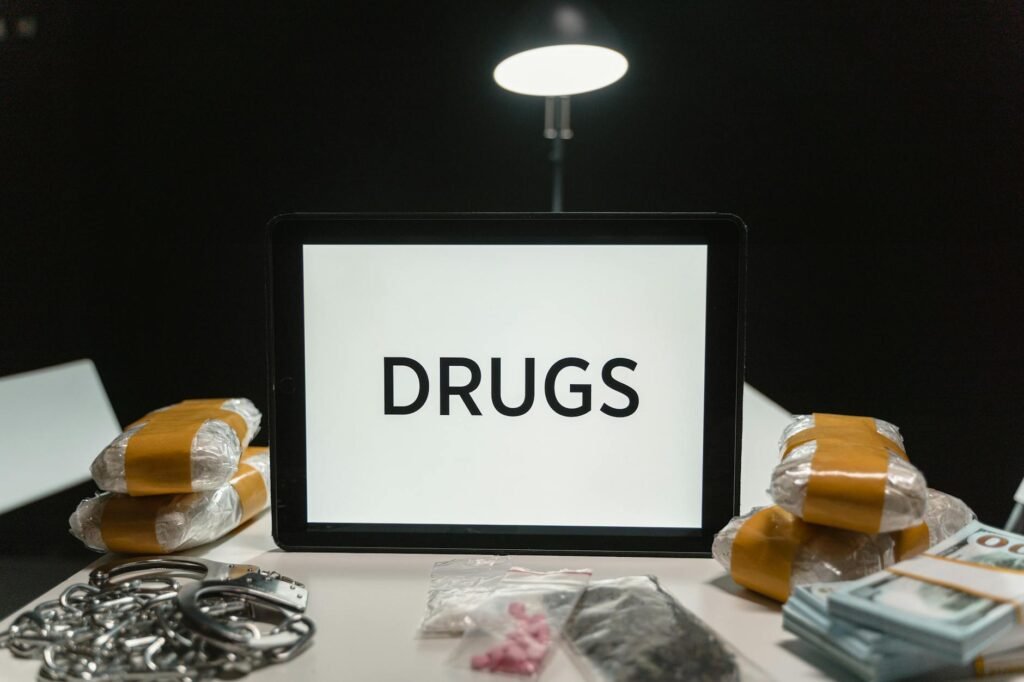
Jammu and Kashmir is witnessing a significant escalation in its efforts to combat drug peddling, with authorities reporting the arrest of 63 individuals suspected of involvement in smuggling activities over a concentrated five-day period. This intensified crackdown, which commenced on April 11, has seen the registration of at least 45 first information reports (FIRs) across various districts of the Union Territory. The drive is being conducted under the explicit directions of Lieutenant Governor Manoj Sinha, who has declared a comprehensive 100-day crusade against drug addiction, aiming to dismantle drug networks and liberate society from the pervasive influence of narcotics.
Information reaching TahirRihat.com suggests that the campaign is multifaceted, encompassing not only law enforcement actions but also a broader societal engagement. Lieutenant Governor Sinha articulated the administration’s resolve during a rally against drugs in the border district of Rajouri on Saturday, emphasizing the region’s sensitivity to cross-border smuggling. He stated, “We are determined to crush these challenges, dismantle the drug trade and liberate society from addiction.” The crackdown in the Jammu division, which began on April 11, has yielded substantial results, with the Lieutenant Governor noting that more than 45 FIRs were filed and 63 smugglers apprehended, alongside significant drug seizures between April 11 and April 15. The scope of the operation has expanded to include regular checks in schools, pharmacies, and drug agencies, with the assurance that this drive will continue relentlessly.
The Lieutenant Governor further underscored the gravity of the drug menace, stating that many families in Jammu and Kashmir have long grappled with addiction, indicating that the battle against drugs extends beyond traditional border security concerns. He described the launch of the 100-day crusade from Jammu’s MA Stadium on April 11 as a “clarion call to total war.” Sinha characterized addiction not merely as a personal failing but as a profound societal wound, suggesting that hostile neighboring entities exploit drug smuggling as a clandestine weapon to fuel terrorism and undermine national strength from within. He expressed confidence in prevailing over these challenges through collective societal unity and unwavering citizen resolve. The enforcement efforts have seen a marked increase, with cases registered after April 11 reportedly tripling in the past week, according to Sinha’s observations.
The administration’s objective is to “completely break the back of drug networks” within the 100-day timeframe. Sinha asserted that the combined power of society and the administration would leave no room for smugglers or criminals to escape accountability. He urged the police and other enforcement agencies to ensure exemplary punishment for offenders, emphasizing that those responsible for poisoning the youth and ruining generations would not evade justice. Standard operating procedures have been established to facilitate the dismantling of drug networks and ensure swift legal proceedings. In a tangible demonstration of this intensified action, the Jammu administration on Saturday demolished the house of Shams Din, also known as Pappi, in Belicharana. Officials confirmed that Din is currently incarcerated and that his property was allegedly acquired through proceeds from illicit drug trade activities, highlighting the administration’s intent to target the financial underpinnings of drug trafficking operations.
The Lieutenant Governor’s remarks during the Rajouri rally painted a stark picture of the challenges faced. He acknowledged the sensitivity of border districts like Rajouri to cross-border smuggling, a persistent issue that fuels the drug trade. However, he reiterated the administration’s unwavering commitment to eradicating this menace. The proactive measures, including the demolition of property allegedly linked to drug money, signal a robust approach to deterring future criminal activities and sending a strong message to those involved in the illicit trade. The comprehensive nature of the campaign, extending to educational institutions and pharmaceutical outlets, aims to create a deterrent effect and disrupt the supply chain of narcotics that have plagued the region.
The surge in FIRs and arrests, as reported by the police, indicates a significant increase in operational tempo. This heightened activity is a direct response to the Lieutenant Governor’s directive to launch a full-scale assault on drug trafficking. The administration’s strategy appears to be two-pronged: immediate enforcement actions to apprehend offenders and seize contraband, coupled with long-term measures to address the root causes of addiction and prevent its spread. The emphasis on exemplary punishment aims to ensure that the consequences of drug peddling are severe enough to deter potential offenders. The framing of standard operating procedures is intended to streamline inter-agency cooperation and expedite the legal process, thereby ensuring that justice is not only served but also delivered promptly.
The Lieutenant Governor’s articulation of the drug trade as a weapon wielded by a “terrorist neighbor” adds a layer of strategic concern to the ongoing campaign. This perspective suggests that the administration views the fight against drugs not just as a law and order issue but as a critical component of national security. By disrupting drug networks, the administration aims to cut off a potential source of funding for anti-national elements and protect the youth from becoming victims of both addiction and radicalization. The call for societal unity underscores the belief that combating such a complex challenge requires a collaborative effort involving citizens, civil society, and government agencies. The ongoing relentless checks and the commitment to continue the drive signal a long-term strategy to create a drug-free society in Jammu and Kashmir.


Tahir Rihat (also known as Tahir Bilal) is an independent journalist, activist, and digital media professional from the Chenab Valley of Jammu and Kashmir, India. He is best known for his work as the Online Editor at The Chenab Times.