


The Jammu and Kashmir administration is gearing up to host its first-ever international film festival, a significant move aimed at bolstering the region’s cinematic landscape, cultural heritage, and tourism potential. The ambitious project, spearheaded by the Department of Information & Public Relations (DIPR), received a formal impetus during a high-level meeting chaired by Chief Secretary Atal Dulloo. The gathering saw the participation of key administrative officials, including the Additional Chief Secretary of Finance, the Additional Chief Secretary of Tourism, and the Commissioner Secretary for Information, alongside other senior government functionaries.
During the deliberations, Chief Secretary Dulloo underscored the imperative for the Information Department to commence immediate preparations for this landmark event, which is envisioned to be of national significance. He drew a parallel with the renowned International Film Festival of India held annually in Goa, emphasizing the need for a professionally managed and impactful festival that can elevate Jammu and Kashmir‘s profile on the national and international stage. To ensure the meticulous planning and execution of the festival, it was decided that a dedicated committee would be constituted at the earliest. This committee will be entrusted with the comprehensive oversight of all arrangements, encompassing planning, coordination, and the overall supervision necessary for the event’s smooth and successful culmination. Information reaching TahirRihat.com suggests that the formation of this committee is a priority to expedite the preparatory phases.
Further directives from the Chief Secretary emphasized the critical need to identify and engage a competent and experienced agency to manage the festival’s operations efficiently. He stressed the importance of benchmarking against successful models by studying similar events organized across the country, a move that reflects a commitment to adopting best practices in event management. Adherence to strict timelines was also a key point of instruction, with a target set for the issuance of the work order to the selected agency before the close of May. This proactive approach aims to provide ample time for logistical arrangements and promotional activities.
The Commissioner Secretary for Information provided insights into the logistical and financial aspects of the proposed festival. She informed the attendees that the National Film Development Corporation of India (NFDC) has indicated that the financial requirements for organizing such an event would be reasonable. The department, she added, has already completed the necessary groundwork and is well-prepared to ensure the festival’s success, indicating a robust level of preparedness and commitment from the administrative side. This proactive stance from the NFDC and the DIPR signals a strong collaborative effort to bring this vision to fruition.
The proposed international film festival is slated to take place after the conclusion of the annual Amarnath Yatra, a significant pilgrimage in the region. The final dates for the festival will be determined by the concerned department, taking into account the post-Yatra period to ensure optimal participation and logistical feasibility. This timing is strategic, allowing the administration to focus on the pilgrimage and then transition to hosting a major cultural event.
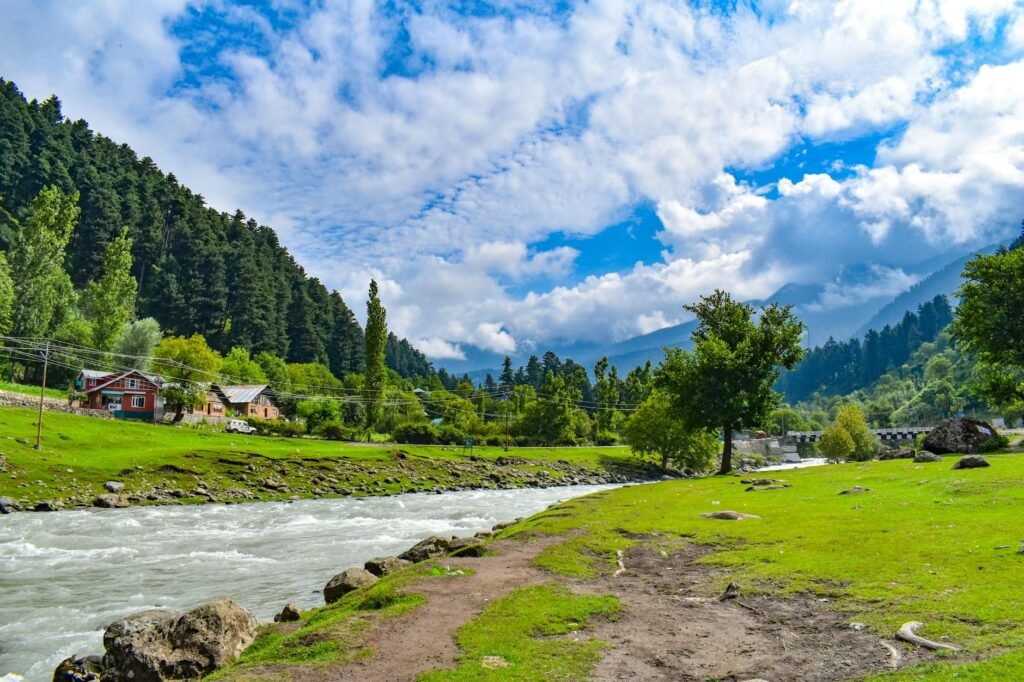
In a move that highlights the administration’s commitment to inclusive development and widespread tourism promotion, the festival’s reach will extend beyond a single venue. Film screenings and associated cultural events are planned to be organized across multiple scenic locations throughout Jammu and Kashmir. These locations include popular destinations such as Bhaderwah, Pahalgam, Gulmarg, and Jammu city itself. This decentralized approach is expected to provide a significant boost to both emerging and established tourist destinations within the Union Territory, showcasing the diverse beauty and cultural richness of the region to a global audience. The initiative is seen as a pivotal step in positioning Jammu and Kashmir as a prominent hub for film tourism and cultural engagement at the national level, fostering a new era of cultural and economic growth.
The decision to host an international film festival is a strategic one, aiming to leverage the region’s natural beauty and cultural tapestry to attract filmmakers, artists, and tourists. By showcasing Jammu and Kashmir as a viable and attractive destination for film production and cultural tourism, the administration hopes to create a positive ripple effect on the local economy. The festival is expected to feature a diverse range of films, panel discussions, workshops, and masterclasses, providing a platform for interaction and collaboration among film professionals from around the world. The inclusion of various locations for screenings will not only promote tourism but also highlight the unique charm and potential of different areas within the Union Territory, from the serene valleys of Kashmir to the historic landscapes of Jammu.
The preparatory phase, as outlined by the Chief Secretary, involves a systematic approach to ensure that the festival meets international standards. The engagement of an experienced agency will be crucial in managing the technical aspects of film exhibition, delegate management, and overall event logistics. The emphasis on studying best practices from other national film festivals indicates a desire to learn from successful models and avoid potential pitfalls. This meticulous planning is essential for establishing the festival’s credibility and ensuring its long-term sustainability. The involvement of the National Film Development Corporation of India further lends weight to the project, suggesting a strong backing from national film bodies.
The broader implications of this initiative extend to cultural exchange and the promotion of local talent. By bringing an international platform to Jammu and Kashmir, the festival can inspire local filmmakers and artists, providing them with opportunities to showcase their work and connect with global industry professionals. This cultural exchange is vital for the growth of the regional film industry and for fostering a vibrant creative ecosystem. The administration’s vision is to transform Jammu and Kashmir into a destination that is not only admired for its natural beauty but also recognized for its burgeoning cultural and cinematic contributions, thereby creating a multifaceted appeal for visitors and investors alike.


Tahir Rihat (also known as Tahir Bilal) is an independent journalist, activist, and digital media professional from the Chenab Valley of Jammu and Kashmir, India. He is best known for his work as the Online Editor at The Chenab Times.