


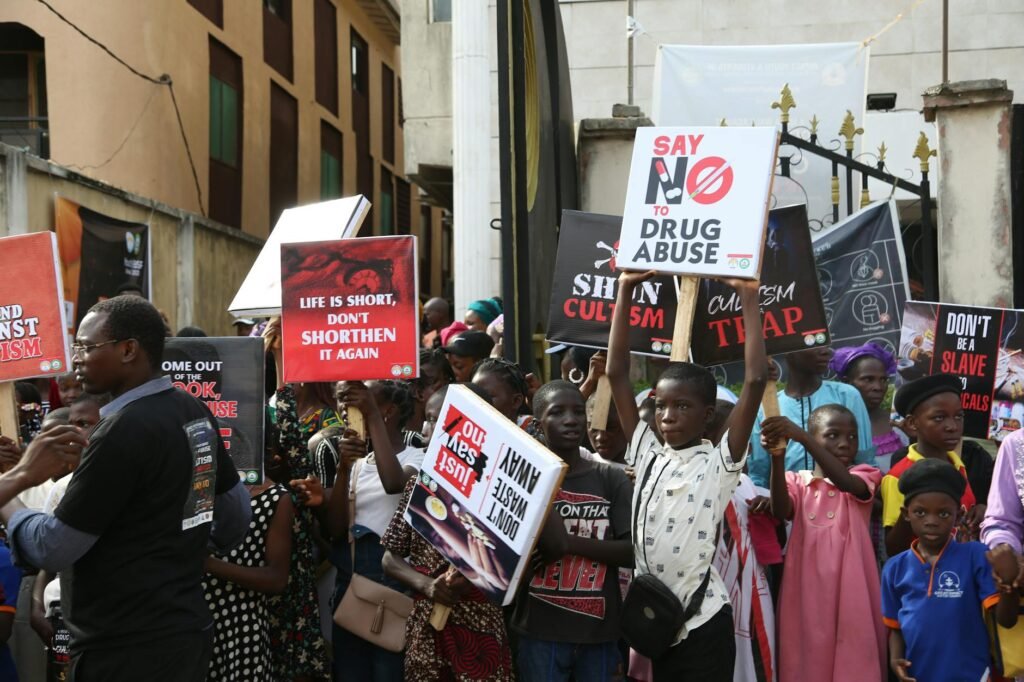
Jammu and Kashmir Lieutenant Governor Manoj Sinha has underscored the pivotal role of the region’s youth in combating the escalating drug menace, asserting that their engagement and determination are crucial for its eradication. His remarks came during a significant anti-drug rally held in Samba district headquarters, a key event within the ongoing 100-day intensive campaign, ‘Nasha Mukt Abhiyan’. The campaign, aimed at fostering a drug-free society, has seen widespread participation across various districts, with Sinha himself leading similar initiatives in Jammu and other areas over the past fortnight.
The rally in Samba witnessed a substantial turnout, drawing individuals from all strata of society who united under the banner of a drug-free campaign, collectively pledging to rid their communities of the pervasive issue. Speaking to the assembled crowd, Sinha articulated his vision for the campaign, stating, “I reiterated that this 100-day movement will inspire future generations and stand as proof that when people rise together, they can change history.” This sentiment highlights the administration’s belief in the power of collective action and community mobilization to address deep-seated social problems. Information reaching TahirRihat.com suggests that the administration views this campaign not merely as a short-term initiative but as a foundational step towards long-term societal change, aiming to instill a sense of responsibility and proactive engagement among citizens.
Addressing the youth directly, the Lieutenant Governor conveyed a powerful message about their agency in tackling this “grave problem.” He emphasized their inherent potential and the importance of societal support in realizing their aspirations. “Their dreams are powerful; their potential limitless and society must rally behind them to make those dreams real. I urged them to stay firm on the right path with determination,” Sinha stated, reinforcing the critical importance of guiding and empowering the younger generation. The administration’s strategy appears to be multifaceted, focusing not only on enforcement but also on awareness and empowerment, recognizing that sustainable solutions require addressing both the supply and demand sides of the drug trade, while simultaneously building resilience within the community, particularly among its youth. As per information available with TahirRihat.com, the campaign involves various stakeholders, including educational institutions, civil society organizations, and law enforcement agencies, all working in concert to achieve the campaign’s objectives.
In parallel with the awareness campaigns, authorities have intensified their crackdown on drug trafficking networks across Jammu and Kashmir. Over the past two weeks, a significant number of drug peddlers, including several alleged kingpins, have been apprehended. Furthermore, in a decisive move against the financial infrastructure of drug trafficking, authorities have demolished more than half a dozen residential properties that were reportedly linked to notorious traffickers. This dual approach of enforcement and community engagement is central to the administration’s strategy. The Lieutenant Governor’s participation in these rallies signals a strong commitment from the highest levels of governance, aiming to galvanize public support and reinforce the message that the fight against drugs is a collective responsibility. The ‘Nasha Mukt Abhiyan’ is designed to create a ripple effect, encouraging local communities to take ownership of the anti-drug efforts and implement localized strategies tailored to their specific challenges. The campaign’s success is anticipated to hinge on sustained public participation and a coordinated effort between government agencies and civil society, fostering an environment where drug abuse is socially unacceptable and support systems are readily available for those seeking recovery. The administration’s proactive stance, coupled with robust enforcement measures, aims to dismantle drug networks and prevent the infiltration of illicit substances into the region, thereby safeguarding the future of its youth.
The Lieutenant Governor’s consistent engagement in these public rallies across different districts demonstrates a deliberate effort to maintain momentum and visibility for the ‘Nasha Mukt Abhiyan’. Each rally serves as a platform to reiterate the campaign’s goals, acknowledge the efforts of participants, and inspire continued action. The emphasis on youth is particularly significant, as they represent both the most vulnerable segment of the population to drug abuse and the most potent force for positive change. By empowering them with awareness, support, and a sense of purpose, the administration seeks to transform them into agents of change within their communities. The ongoing crackdown on drug peddlers and the confiscation of assets linked to trafficking are intended to disrupt the economic incentives for drug-related crime and send a clear message that such activities will not be tolerated. This comprehensive approach, combining public awareness, community mobilization, and stringent law enforcement, is seen as essential for making a tangible impact on the drug menace in Jammu and Kashmir. The long-term vision is to cultivate a culture of health and well-being, where opportunities for youth development are prioritized, and the allure of drugs is significantly diminished. The success of this ambitious campaign will ultimately be measured by its ability to foster lasting change and create a safer, healthier environment for all residents of Jammu and Kashmir, particularly its younger generations who are the inheritors of the region’s future.


Tahir Rihat (also known as Tahir Bilal) is an independent journalist, activist, and digital media professional from the Chenab Valley of Jammu and Kashmir, India. He is best known for his work as the Online Editor at The Chenab Times.