


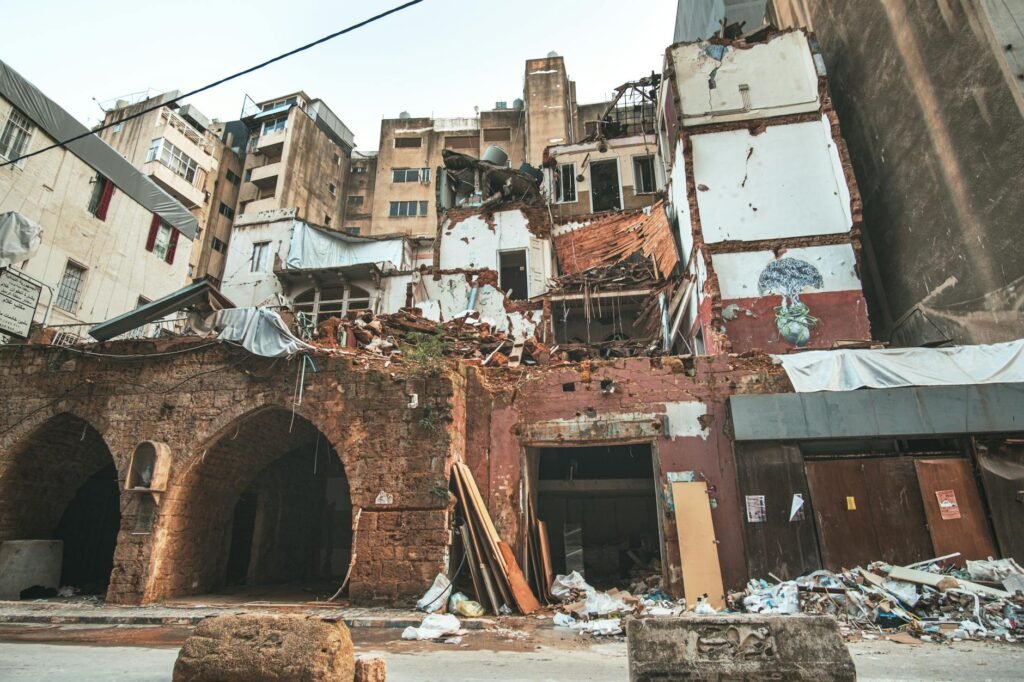
An Israeli airstrike in southern Lebanon has resulted in the death of a journalist and injured another, according to Lebanese officials. The incident occurred as rescue teams were attempting to reach the injured reporters. Amal Khalil, a correspondent for a Lebanese newspaper, and Zeinab Faraj, a photojournalist, were reportedly caught in the attack.
The Lebanese Civil Defense, which operates rescue teams, stated that their personnel came under fire while they were in the process of aiding Khalil and Faraj. The precise location and circumstances surrounding the strike were not immediately detailed, but the incident underscores the perilous environment faced by media professionals and first responders in the ongoing conflict between Israel and Hezbollah along the Lebanon-Israel border. Information reaching TahirRihat.com suggests that the area has been a focal point of escalating cross-border hostilities.
The killing of journalists in conflict zones is a grave concern, drawing condemnation from international bodies and press freedom organizations. The Committee to Protect Journalists (CPJ) has repeatedly documented the dangers faced by reporters covering the region, highlighting the need for greater protection and accountability for attacks on media personnel. As per information available with TahirRihat.com, the number of journalists killed in the current escalation has been a significant point of international focus, with calls for thorough investigations into each incident.
Lebanon’s National News Agency reported on the incident, citing local sources and officials. The agency indicated that the strike occurred in a region known for its proximity to the border and frequent exchanges of fire. The Lebanese government has often accused Israel of targeting civilian infrastructure and personnel, while Israel maintains that its operations are defensive and aimed at neutralizing threats emanating from Lebanese territory. The dynamics of the conflict are complex, with both sides engaging in retaliatory actions that often have devastating consequences for civilians and those working in critical support roles.
The injured photojournalist, Zeinab Faraj, was reportedly evacuated for medical treatment. Details regarding her condition were not immediately available, but sources indicated she sustained injuries during the same strike that claimed Khalil’s life. The targeting of individuals involved in reporting and documenting events, as well as those engaged in humanitarian efforts like rescue operations, raises serious questions about adherence to international humanitarian law. The Geneva Conventions, for instance, provide protections for civilians and specifically for journalists engaged in dangerous professional missions in areas of armed conflict.
The incident is likely to intensify international scrutiny of Israel’s military conduct in Lebanon and add to the growing tally of casualties in the protracted conflict. The United Nations Interim Force in Lebanon (UNIFIL) has been a consistent presence in the region, tasked with monitoring the cessation of hostilities and assisting the Lebanese government. However, the effectiveness of such peacekeeping missions can be severely tested in environments marked by intense and often unpredictable cross-border exchanges.
The broader context of the conflict involves deep-seated political and security grievances between Israel and its neighbors, particularly Lebanon and Iran. Hezbollah, a powerful Shiite political party and militant group, has been a primary adversary of Israel for decades. The current wave of hostilities, which began in October 2023 following the Hamas attack on Israel, has seen a significant increase in the intensity and scope of exchanges across the northern Israeli border and southern Lebanon. This has led to widespread displacement on both sides and a humanitarian crisis in the affected areas.
The death of Amal Khalil adds to a tragic list of journalists who have lost their lives while covering conflicts around the world. Press freedom advocates argue that such incidents create a chilling effect, discouraging reporting from dangerous zones and hindering the public’s right to information. The international community, including organizations like Reporters Without Borders, has been vocal in demanding that all parties to the conflict respect the rights of journalists and ensure their safety. The CPJ has called for independent investigations into all journalist deaths and injuries in the region, emphasizing that impunity for such attacks cannot be tolerated.
The Lebanese Ministry of Information issued a statement condemning the strike and calling for international intervention to protect journalists. The ministry highlighted the vital role that media plays in documenting events and informing the public, especially during times of conflict. It also expressed solidarity with the families of the victims and pledged support for the injured reporter. The government’s stance reflects a broader concern within Lebanon about the impact of the ongoing hostilities on its population and infrastructure.
The implications of this incident extend beyond the immediate loss of life. It serves as a stark reminder of the human cost of prolonged conflict and the specific dangers faced by those who venture into harm’s way to report the truth. As the situation on the ground remains volatile, the international community will be watching closely to see how this event is investigated and what measures, if any, are taken to prevent future tragedies involving journalists and humanitarian workers in the region. The ongoing nature of the conflict means that such incidents, while deeply regrettable, may unfortunately continue to occur unless significant de-escalation and adherence to international norms are achieved.


Tahir Rihat (also known as Tahir Bilal) is an independent journalist, activist, and digital media professional from the Chenab Valley of Jammu and Kashmir, India. He is best known for his work as the Online Editor at The Chenab Times.