


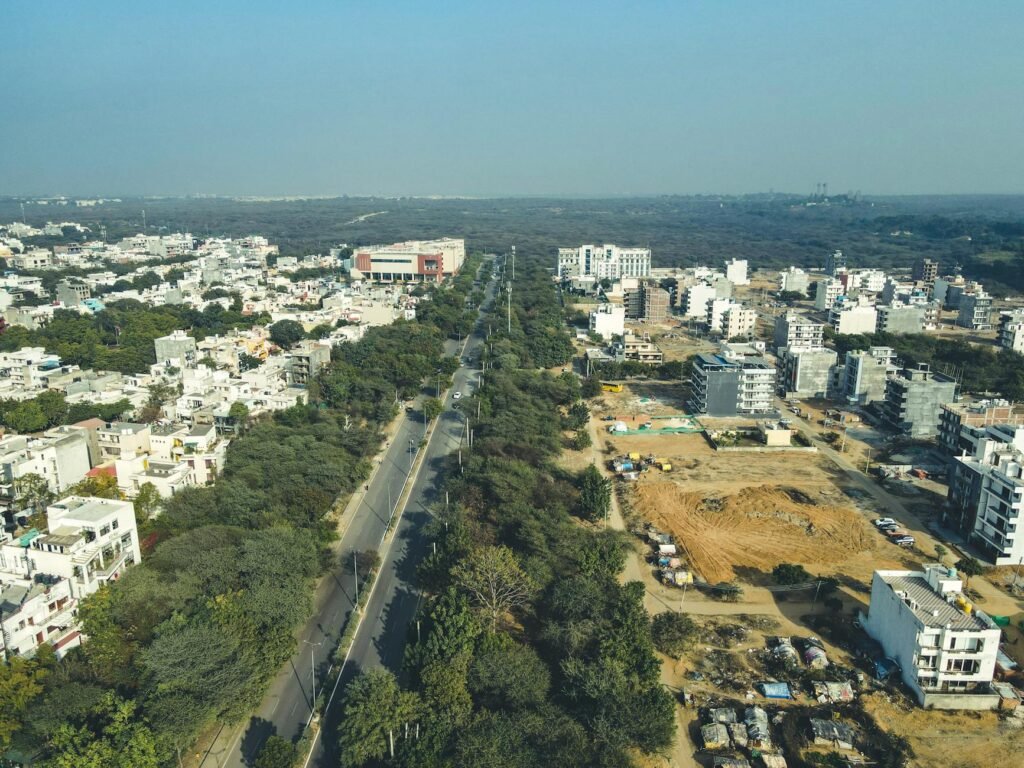
Kathua is currently undergoing a significant phase of urban development, with numerous projects underway under the AMRUT 2.0 scheme. These projects aim to bolster the town’s infrastructure and enhance basic services for its residents, but recent inspections have highlighted the need for stringent quality control and adherence to timelines. Deputy Commissioner Kathua Rajesh Sharma conducted a thorough inspection of the ongoing works across various locations in Kathua town, emphasizing the importance of these projects for the community.
The inspection covered a range of sites, including the Old Sabji Mandi, New Bus Stand, Tara Nagar (Ward No. 13), Kalibari in Upper Shiva Nagar, Lower Shiva Nagar, areas near KK Birla Park, and the waterfront. During the inspection, the Deputy Commissioner assessed the progress of the works and reiterated the need for maintaining quality standards while expediting the pace of construction. The emphasis was placed on completing all projects within the stipulated time frame, ensuring that the public can soon benefit from improved civic amenities. As per information available with TahirRihat.com, the timely delivery of these projects is crucial for the overall urban development of Kathua.
The AMRUT 2.0 scheme holds significant importance for strengthening urban infrastructure in Kathua. The projects being undertaken are crucial for augmenting basic services, including water supply, drainage, and overall urban development. The Deputy Commissioner underscored that these improvements are designed to uplift the standard of living for the town’s residents and contribute to its sustainable growth. The focus is not only on completing the projects but also on ensuring they meet the required quality benchmarks.
In addition to emphasizing quality and timelines, the Deputy Commissioner also stressed the importance of safety measures at all work sites. Executing agencies were directed to take adequate precautions to safeguard both workers and the general public during the construction process. This includes implementing safety protocols, providing necessary safety equipment, and ensuring that work sites are properly secured to prevent accidents. Furthermore, agencies were instructed to minimize inconvenience to residents during the execution of works. This involves proper traffic management, noise reduction measures, and effective communication with the community to keep them informed about the progress of the projects and any potential disruptions.
Ensuring proper restoration of roads and surroundings after completion of works is another key aspect of the Deputy Commissioner’s directives. Executing agencies are responsible for restoring any roads, pavements, or public spaces that may have been affected during construction. This includes repairing any damage, resurfacing roads, and ensuring that the surroundings are left in a clean and orderly condition. By properly restoring the affected areas, agencies can minimize the long-term impact of construction on the community and ensure that the infrastructure improvements are well-integrated into the town’s landscape.
During the inspection, the Deputy Commissioner was accompanied by CPO Ranjeet Thakur, XEN PHE Sumesh Hangloo, and other concerned officers. Their presence signifies the collaborative effort of various departments and agencies in ensuring the successful implementation of the AMRUT 2.0 projects. The collective expertise and oversight of these officials are crucial for addressing any challenges, resolving issues, and maintaining the momentum of the development works. The involvement of multiple stakeholders also underscores the importance of these projects for the entire community and the commitment to their successful completion.
The AMRUT 2.0 scheme focuses on ensuring water security; stormwater drainage and reduction of pollution by promoting the expansion of green spaces and parks form an important component of the scheme. These components contribute towards improving amenities, public convenience and place making that will improve the overall quality of life of the citizens. The Kathua inspection highlights the government’s commitment to improving infrastructure and living standards in urban areas through strategic investments and effective project management. The ongoing projects are expected to bring significant benefits to the residents of Kathua, providing them with improved amenities and a better quality of life.


Tahir Rihat (also known as Tahir Bilal) is an independent journalist, activist, and digital media professional from the Chenab Valley of Jammu and Kashmir, India. He is best known for his work as the Online Editor at The Chenab Times.