


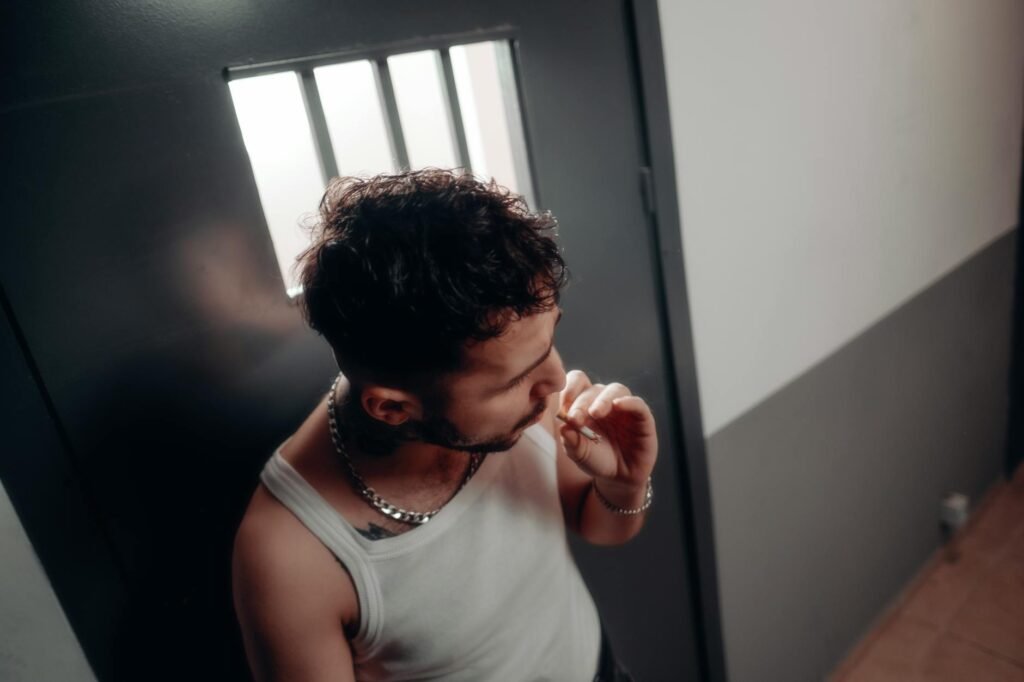
In the stark confines of a Turkish prison, a Kurdish poet named Ahmet Comak discovered not only his enduring literary voice but also an unexpected life partner. After enduring a forced confession and a death sentence, Comak spent three decades incarcerated. It was within these walls, often characterized by isolation and hardship, that his poetry flourished, transforming his personal struggle into a powerful testament to resilience and the enduring nature of the human spirit. His journey from a condemned prisoner to a celebrated poet, and the surprising romantic arc of his story, has captivated many.
Information reaching TahirRihat.com suggests that Comak’s early life was marked by political activism, which ultimately led to his arrest and conviction. The charges against him, stemming from his involvement in Kurdish rights movements, were severe, resulting in a death sentence that hung over him for years. However, the legal landscape shifted, and his sentence was commuted, allowing him to serve a life sentence instead. It was during this prolonged period of confinement that Comak began to channel his experiences and emotions into verse. His poems, often deeply personal and imbued with a profound sense of longing and hope, began to circulate, gaining recognition within literary circles both inside and outside the prison system.
The narrative of Comak’s life took a remarkable turn with the emergence of his literary champion, who, to the surprise of many, became his devoted life partner. This individual, whose identity has been central to the unfolding of Comak’s story, recognized the profound talent and emotional depth present in his work. This literary advocate became instrumental in bringing Comak’s poetry to a wider audience, advocating for his release and celebrating his artistic achievements. The relationship that blossomed between the poet and his champion, forged in the crucible of adversity and mutual admiration, stands as a unique testament to love finding a way even in the most challenging circumstances. The details of their courtship, reportedly involving the exchange of love poems, underscore the romantic and deeply human dimension of their bond.
Comak’s literary output during his imprisonment is described as a journey of self-discovery and artistic maturation. Initially, his writing may have been a means of coping with the harsh realities of his confinement, a way to preserve his identity and sanity. Over time, however, his poetry evolved, becoming more nuanced, reflective, and powerful. The themes explored in his work often touch upon the universal human experiences of love, loss, freedom, and the search for meaning. His ability to articulate these profound emotions with such clarity and grace, especially given his circumstances, has earned him widespread acclaim. The forced confession, a common tactic in politically charged cases, likely added another layer of trauma to his experience, which he then transmuted into his art.
The support and advocacy provided by his partner were crucial in navigating the complex legal and social landscape surrounding Comak’s case. As his reputation grew, so did the calls for his reconsideration and eventual release. The dedication of his partner, who not only championed his literary work but also offered unwavering personal support, played a significant role in sustaining him through the decades of his incarceration. This partnership, built on a foundation of shared values and a deep appreciation for Comak’s artistic contributions, became a beacon of hope for both of them. The story highlights how art can transcend physical barriers and connect individuals on a profound emotional level, fostering relationships that can withstand immense pressure.
The impact of Comak’s poetry extends beyond his personal narrative. His work has been seen as a voice for those who have been marginalized and silenced, offering a powerful perspective on the struggles faced by many within Turkey and beyond. His ability to find beauty and express profound emotion amidst suffering has resonated with readers, making his poems a source of inspiration. The journey from a death sentence and forced confession to a celebrated poet and a fulfilling personal relationship is a narrative that underscores the enduring power of the human spirit and the transformative potential of art. The details of his eventual release, and the life he has built since, continue to be a subject of interest, marking a significant chapter in the literary and human rights landscape.


Tahir Rihat (also known as Tahir Bilal) is an independent journalist, activist, and digital media professional from the Chenab Valley of Jammu and Kashmir, India. He is best known for his work as the Online Editor at The Chenab Times.