


A fragile cease-fire between Israel and Hezbollah appeared to be largely holding on Friday, allowing a growing number of displaced Lebanese civilians to begin returning to their homes in southern Lebanon. The relative calm, however, was punctuated by continued military activity, with Israel reporting strikes on what it described as “terrorists” approaching its forces along the border. The ongoing tension underscores the precarious nature of the truce, which has been tested since its inception.
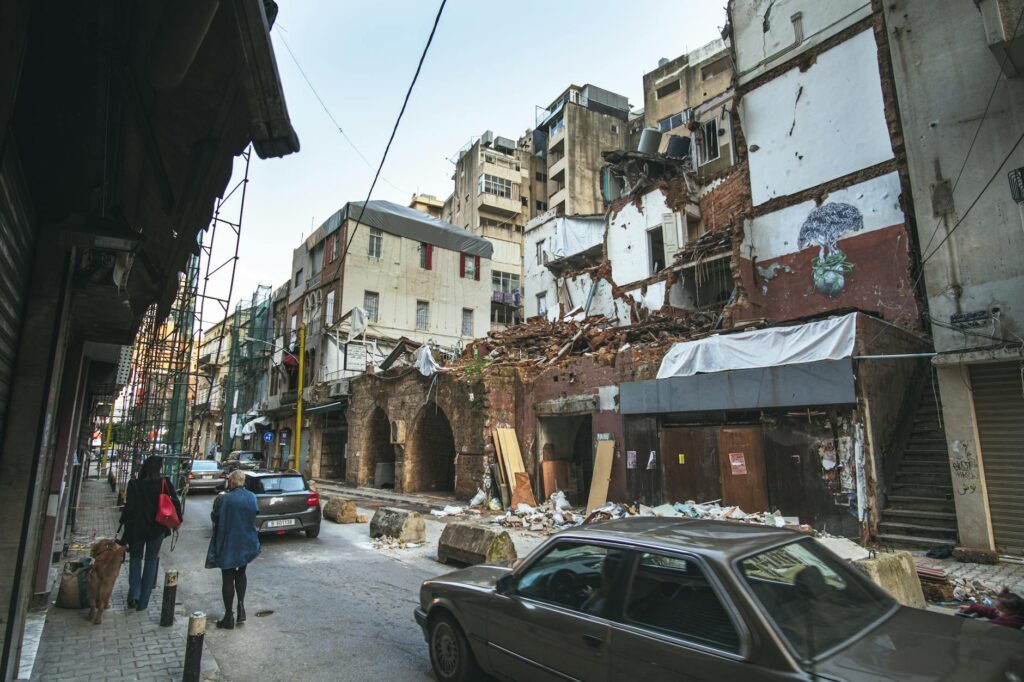
Information reaching TahirRihat.com suggests that the return of civilians is a significant development, offering a glimmer of hope for communities devastated by months of cross-border hostilities. These residents, who fled their villages and towns as fighting intensified, are now assessing the damage to their properties and beginning the arduous process of rebuilding their lives. The scale of destruction in many areas remains substantial, with infrastructure severely impacted and livelihoods disrupted. The presence of landmines and unexploded ordnance also poses a persistent threat, complicating the efforts of those seeking to return.
The United Nations Interim Force in Lebanon (UNIFIL) has been instrumental in monitoring the cease-fire and facilitating humanitarian efforts. However, the mission itself has not been immune to the conflict‘s dangers. In a somber development, a UN peacekeeper was killed during the reporting period, a stark reminder of the volatile environment in which these operations are conducted. The circumstances surrounding the peacekeeper’s death are still being investigated, but the incident has cast a shadow over the fragile peace efforts and highlighted the risks faced by those working to maintain stability in the region.
The cease-fire, brokered through international mediation, aims to de-escalate tensions that have simmered for decades and erupted into full-scale conflict on multiple occasions. While the current lull in fighting has been largely respected by both sides, the underlying political and security issues remain unresolved. The continued presence of armed groups and the ongoing military posturing by both Lebanon and Israel create an environment where a resurgence of hostilities remains a distinct possibility. The international community is closely watching the situation, urging all parties to adhere to the truce and engage in dialogue to find a lasting political solution.
The return of displaced persons is a complex undertaking, requiring not only security assurances but also significant humanitarian and reconstruction aid. Many families have lost their homes, their livelihoods, and their sense of security. The psychological toll of displacement and conflict is also immense, and addressing these needs will be crucial for long-term recovery. International organizations and local NGOs are working to provide essential services, including shelter, food, and medical assistance, to those returning. However, the sheer scale of the need often outstrips the available resources, necessitating sustained international support.
The Israeli military’s statement regarding strikes on approaching “terrorists” indicates that the threat perception along the border remains high. Hezbollah, the powerful Shiite militant group and political party, has also maintained its readiness, underscoring the deep-seated animosity and the ongoing strategic competition between the two entities. The cease-fire agreement, while welcomed, is seen by many as a temporary respite rather than a definitive end to the conflict. The long-term stability of the region hinges on addressing the root causes of the conflict, including territorial disputes, political grievances, and the role of external actors.
The United Nations has consistently called for respect for international law and the protection of civilians. The killing of a UN peacekeeper is a grave incident that has drawn condemnation from various international bodies. Such acts undermine the efforts to bring peace and stability to the region and pose a direct challenge to the mandate of peacekeeping missions. The investigation into the incident is expected to shed light on the perpetrators and the circumstances, and calls for accountability are likely to intensify. The safety and security of UN personnel are paramount, and ensuring their protection is a responsibility that falls on all parties involved in the conflict.
The economic implications of the prolonged conflict have been devastating for Lebanon, a country already grappling with severe economic challenges. The destruction of infrastructure, the disruption of trade, and the loss of tourism have had a profound impact on the national economy. The return of displaced persons, while a positive step, also brings with it the challenge of economic recovery. Rebuilding the shattered infrastructure, revitalizing businesses, and creating employment opportunities will be critical for the country’s long-term prosperity. International financial assistance and investment will be crucial in supporting these efforts.
The political landscape in Lebanon is also deeply intertwined with the conflict. Hezbollah’s significant political influence and its armed wing are central to the country’s internal dynamics and its relationship with Israel. Any lasting resolution to the conflict will likely require a comprehensive political settlement that addresses the concerns of all stakeholders within Lebanon and engages with regional powers. The international community’s role in facilitating such a settlement is crucial, but ultimately, the path to peace lies in the hands of the parties directly involved.
The ongoing efforts to rebuild and resettle in southern Lebanon are a testament to the resilience of its people. Despite the immense hardships they have faced, there is a strong desire to return to normalcy and to rebuild their lives and communities. The success of these efforts will depend on a sustained period of peace, coupled with robust international support for reconstruction and development. The fragile cease-fire, while a positive development, serves as a reminder that the journey towards lasting peace and stability in the region is fraught with challenges and requires continuous vigilance and commitment from all involved.


Tahir Rihat (also known as Tahir Bilal) is an independent journalist, activist, and digital media professional from the Chenab Valley of Jammu and Kashmir, India. He is best known for his work as the Online Editor at The Chenab Times.