


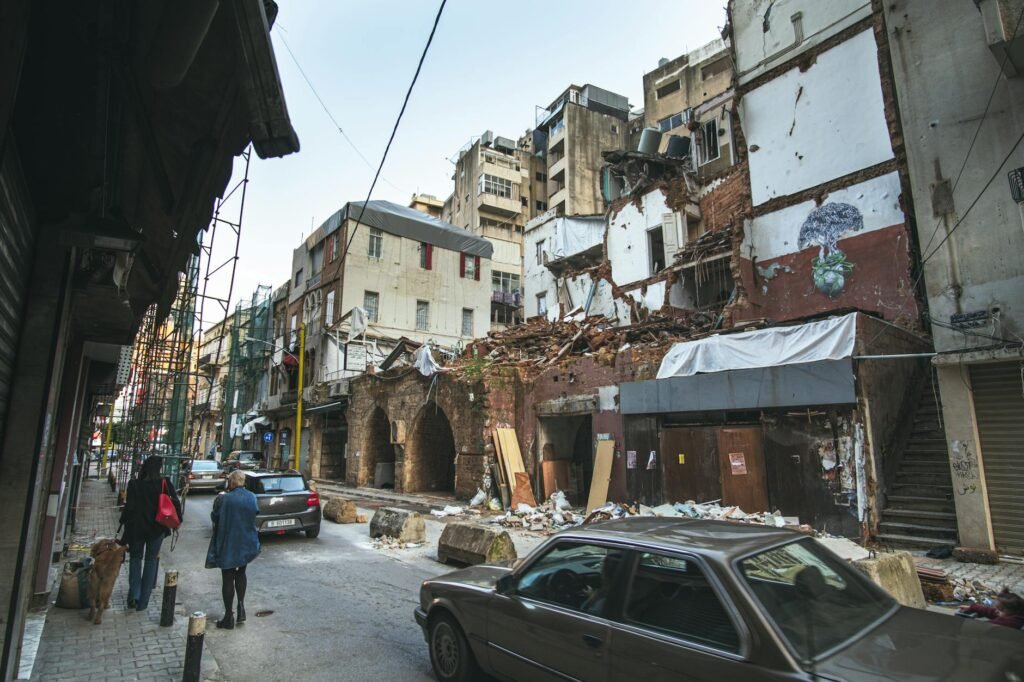
A fragile pause in the hostilities between Israel and Hezbollah has prompted a significant southward movement of Lebanese civilians who had been displaced by the protracted conflict. Thousands of individuals, caught in a standstill of traffic, expressed a palpable mix of elation and apprehension as they ventured back towards their homes, their journeys underscored by the uncertainty of a lasting peace. The exodus, described by observers as a testament to the deep-seated desire for normalcy, paints a vivid picture of a population yearning for respite from the pervasive fear and destruction that has characterized recent months.
Information reaching TahirRihat.com suggests that the cease-fire, though tentatively observed, has instilled a renewed sense of hope among those who had been forced to abandon their lives and livelihoods. The sight of congested roadways, a stark contrast to the usual quiet of displacement camps and temporary shelters, signals a collective yearning to reclaim what was lost. This surge of movement, however, is not without its anxieties. The lingering threat of renewed hostilities and the daunting task of rebuilding shattered communities weigh heavily on the minds of those returning.
The scenes unfolding on the ground are a poignant illustration of the human cost of the conflict. Families, many of whom have endured months of displacement, are now navigating the complexities of returning to areas that may still bear the scars of war. The emotional toll of such a journey, coupled with the logistical challenges of resettlement, is immense. Yet, the prevailing sentiment appears to be one of cautious optimism, a belief that this cease-fire might indeed offer a genuine opportunity for a return to some semblance of ordinary life. The sheer volume of people attempting to return south highlights the resilience of the Lebanese spirit and their unwavering determination to rebuild their lives.
The cease-fire, brokered through extensive diplomatic efforts, has brought a temporary reprieve to the embattled region. However, the long-term implications of this lull in fighting remain a subject of intense speculation. While the immediate focus is on the return of displaced populations, the underlying issues that fueled the conflict are yet to be resolved. The international community is closely watching the situation, with many hoping that this period of calm will be leveraged to pursue a more sustainable peace. The return of civilians is a critical first step, but the path to recovery and reconciliation will undoubtedly be arduous and complex. The infrastructure damage, the psychological impact on civilians, and the broader geopolitical ramifications all present significant hurdles that will require sustained attention and commitment.
The narratives emerging from the returning populations are deeply personal and profoundly moving. Many speak of the longing for their homes, the familiar sights and sounds of their villages, and the desire to reconnect with their communities. The displacement has not only disrupted their physical lives but has also fractured social bonds and economic activities. The return, therefore, is not merely a physical relocation but a symbolic act of reclaiming identity and belonging. The challenges ahead are considerable, including the potential for unexploded ordnance, the need for extensive reconstruction, and the provision of essential services. However, the sheer determination of these individuals to return speaks volumes about their commitment to their homeland and their refusal to be permanently uprooted.
The international response to the cease-fire and the subsequent return of displaced persons is multifaceted. Humanitarian organizations are mobilizing to provide assistance to those returning, focusing on immediate needs such as shelter, food, and medical care. Diplomatic channels remain active, with efforts underway to ensure the long-term stability of the region and to address the root causes of the conflict. The success of the cease-fire will depend not only on the adherence of the warring parties but also on the sustained support and engagement of the international community. The scale of the humanitarian challenge is significant, and a coordinated and comprehensive approach will be essential to facilitate a successful return and recovery process. The economic implications of rebuilding are also substantial, requiring significant investment and strategic planning to revive local economies and create opportunities for the returning population.
The scenes of traffic jams, while indicative of a positive development, also highlight the scale of the displacement and the logistical challenges involved in such a mass return. The infrastructure in many of the southern regions has been severely damaged, raising concerns about the ability to accommodate the returning population. Ensuring safe passage, providing adequate shelter, and restoring essential services will be paramount in the coming days and weeks. The resilience displayed by the Lebanese people in the face of adversity is remarkable, but they will require substantial support to overcome the devastating consequences of the conflict and to rebuild their lives and their country. The long-term implications for regional stability and the well-being of the Lebanese population hinge on the ability to translate this cease-fire into a lasting peace and a comprehensive recovery.


Tahir Rihat (also known as Tahir Bilal) is an independent journalist, activist, and digital media professional from the Chenab Valley of Jammu and Kashmir, India. He is best known for his work as the Online Editor at The Chenab Times.