


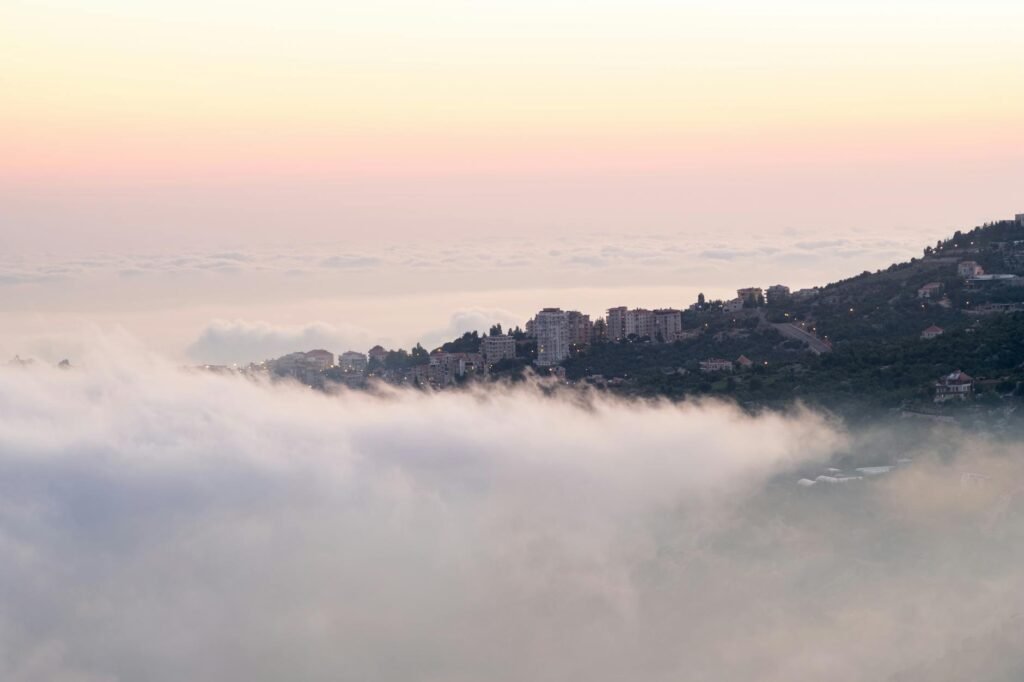
Visual journalist David Guttenfelder documented the return of displaced individuals to their homes in southern Lebanon, a movement that occurred as a ceasefire brought a pause to the ongoing conflict between Israel and Hezbollah. The journey back for many was fraught with the echoes of recent hostilities, yet underscored by a palpable sense of hope and a desire to reclaim their lives and communities.
As the cessation of hostilities took hold, allowing for a temporary respite, Guttenfelder accompanied families and individuals making their way back to villages that had been evacuated or significantly impacted by the fighting. The scenes captured offered a poignant glimpse into the human cost of the conflict, with residents navigating through areas bearing the visible scars of recent clashes. Information reaching TahirRihat.com suggests that the returnees were met with a landscape that, while familiar, was also altered by the events of the past weeks and months. The process of returning home was not merely a physical relocation but also an emotional and psychological undertaking, as people confronted the reality of their damaged or destroyed properties and the broader disruption to their lives.
The ceasefire, though fragile, provided a crucial window for these movements. It allowed for a degree of normalcy to be tentatively re-established in areas that had been on the front lines. Guttenfelder’s visual narrative highlighted the resilience of the Lebanese people, many of whom were determined to rebuild and resume their lives despite the prevailing uncertainties. The returnees were observed assessing the damage to their homes, some finding them intact, while others faced the daunting task of reconstruction. The presence of international journalists like Guttenfelder underscores the global attention on the situation in southern Lebanon and the humanitarian implications of the conflict. The visual documentation serves as a powerful testament to the experiences of those directly affected, offering a ground-level perspective that complements broader geopolitical reporting.
The return of displaced persons is often a complex process, influenced by security assessments, the availability of essential services, and the willingness of individuals to face the challenges of rebuilding. In this instance, the ceasefire provided the immediate impetus for these journeys. The visual journalist’s work captured the intimate moments of reunion with ancestral lands and the stark realities of the destruction left behind. The images conveyed a narrative of loss, but also of an enduring spirit and a deep-seated connection to home. The ongoing situation in the region remains a critical focus for international observers, with the return of civilians to their homes being a significant indicator of the evolving dynamics on the ground. The long-term implications of this displacement and return are yet to unfold, but the immediate visual evidence points to a community grappling with the aftermath of conflict and striving for a return to normalcy.
The visual journalist’s journey into southern Lebanon with the returning displaced population offered a raw and unfiltered look at the immediate aftermath of a period of intense fighting. The scenes depicted the careful navigation of roads and pathways that had recently been active zones of conflict, now traversed by those seeking to reclaim their lives. The returnees, carrying what belongings they could, moved with a mixture of trepidation and determination. This visual reportage, as observed by David Guttenfelder, provided a crucial human dimension to the geopolitical tensions that have characterized the Israel-Hezbollah border. The act of returning home, even to damaged or destroyed dwellings, signifies a profound act of resilience and a commitment to rebuilding shattered communities. The ceasefire, while temporary, created the necessary conditions for such movements, allowing for a brief period of relative calm amidst the ongoing regional instability. The visual journalist’s presence ensured that these personal stories of displacement and return were captured and shared, offering a stark reminder of the human cost of protracted conflict.
The visual journalist’s work captured the emotional weight of returning to a homeland marked by conflict. Families were seen surveying the damage to their properties, some with visible signs of distress, while others displayed a quiet resolve to begin the process of rebuilding. The ceasefire provided a crucial, albeit temporary, window for these journeys, allowing for a degree of movement and assessment that had been impossible during active hostilities. The visual narrative underscored the deep connection that individuals have to their ancestral lands and the profound impact that displacement has on their lives. The returnees faced not only the physical challenges of damaged infrastructure but also the psychological toll of having lived through periods of intense conflict. The presence of international observers like Guttenfelder highlights the global interest in the humanitarian consequences of the conflict and the ongoing efforts to achieve a lasting peace in the region. The visual documentation serves as a powerful testament to the resilience of the human spirit in the face of adversity.
The return of displaced individuals to southern Lebanon, as documented by visual journalist David Guttenfelder, occurred during a lull in the fighting between Israel and Hezbollah. This period of ceasefire allowed for a significant movement of people back to their homes, many of which had been abandoned or damaged due to the hostilities. Guttenfelder’s visual reportage captured the poignant scenes of families and individuals navigating their way back to their communities, often through areas that bore the visible scars of recent conflict. The images conveyed a powerful narrative of resilience and the deep-seated desire to return to normalcy, even in the face of considerable destruction and uncertainty. The ceasefire provided a critical window for these movements, underscoring the fragile nature of peace in the region and the immediate impact of such agreements on the lives of ordinary citizens. The visual documentation offered a ground-level perspective on the humanitarian consequences of the conflict, highlighting the challenges faced by those returning to rebuild their lives and communities.
The visual journalist’s journey into southern Lebanon coincided with a period of relative calm, a ceasefire that enabled the return of many displaced residents. David Guttenfelder’s lens focused on the human element of this return, capturing the emotions and realities of individuals re-entering communities that had been directly affected by the conflict. The scenes depicted a complex mix of relief at being home and the daunting prospect of rebuilding amidst the remnants of war. The ceasefire, while offering a temporary respite, also highlighted the precariousness of the situation, with the potential for renewed hostilities always present. The visual narrative provided by Guttenfelder serves as a vital record of this specific moment, offering a tangible representation of the human cost of the conflict and the enduring spirit of those seeking to reclaim their lives and homes. The return of displaced persons is a critical aspect of post-conflict recovery, and these images offer a stark reminder of the challenges that lie ahead for the communities in southern Lebanon.
The visual journalist’s journey into southern Lebanon, accompanying displaced people returning to their homes, unfolded during a period when a ceasefire had temporarily halted the fighting between Israel and Hezbollah. David Guttenfelder’s photographic and video documentation captured the essence of this return, showcasing the resilience and determination of individuals re-entering their communities. The scenes depicted a landscape marked by the recent conflict, yet filled with the hope of rebuilding and reclaiming lives. The ceasefire provided a crucial window for these movements, allowing for a brief period of respite and the opportunity for residents to assess the damage and begin the process of recovery. The visual narrative offered a powerful and intimate perspective on the human impact of the conflict, underscoring the deep connection people have to their homes and the strength required to rebuild after displacement. The return of these individuals is a significant development, reflecting a desire for normalcy and a commitment to their homeland, even in the face of ongoing regional tensions.
The visual journalist David Guttenfelder’s journey into southern Lebanon offered a compelling look at the return of displaced individuals to their homes, a movement that occurred as a ceasefire brought a pause to the fighting between Israel and Hezbollah. His visual documentation captured the raw emotions and the stark realities faced by those re-entering communities that had been impacted by recent hostilities. The scenes depicted a landscape bearing the signs of conflict, yet also imbued with the hope of rebuilding and the profound desire to return to a semblance of normalcy. The ceasefire provided a critical opportunity for these journeys, allowing residents to assess their properties and begin the arduous process of recovery. Guttenfelder’s work serves as a powerful testament to the resilience of the human spirit and the enduring connection people have to their homeland, even in the aftermath of conflict. The return of these individuals is a significant indicator of the evolving situation on the ground and the ongoing efforts to restore stability to the region.
The visual journalist David Guttenfelder’s recent journey into southern Lebanon provided a poignant account of displaced people returning to their homes, a movement facilitated by a ceasefire that temporarily halted the conflict between Israel and Hezbollah. His visual documentation captured the intimate moments of reunion with ancestral lands and the sobering reality of communities marked by recent fighting. The returnees navigated through areas that had recently been active zones of conflict, their journeys underscored by a mix of hope and trepidation. The ceasefire offered a crucial window for these movements, allowing for a brief period of respite and the opportunity for residents to assess the damage and begin the process of rebuilding. Guttenfelder’s visual narrative offers a powerful human perspective on the conflict, highlighting the resilience of the Lebanese people and their deep-seated connection to their homeland. The return of these individuals is a significant development, reflecting a strong desire for normalcy and a commitment to their communities, even amidst ongoing regional uncertainties.
Visual journalist David Guttenfelder traveled with displaced people as they returned to their homes in southern Lebanon, a movement that took place during a ceasefire that paused the fighting between Israel and Hezbollah. His visual reportage captured the emotional weight and practical challenges of returning to communities that had been directly affected by the recent conflict. The scenes depicted individuals navigating through areas that bore the visible scars of hostilities, yet also conveyed a powerful sense of resilience and determination to rebuild. The ceasefire provided a critical window for these journeys, allowing residents to assess the damage to their properties and begin the arduous process of recovery. Guttenfelder’s work offers an intimate and human perspective on the impact of the conflict, underscoring the deep connection people have to their homeland and the strength required to overcome displacement and devastation. The return of these individuals signifies a crucial step towards normalcy and a testament to the enduring spirit of the Lebanese people.


Tahir Rihat (also known as Tahir Bilal) is an independent journalist, activist, and digital media professional from the Chenab Valley of Jammu and Kashmir, India. He is best known for his work as the Online Editor at The Chenab Times.