


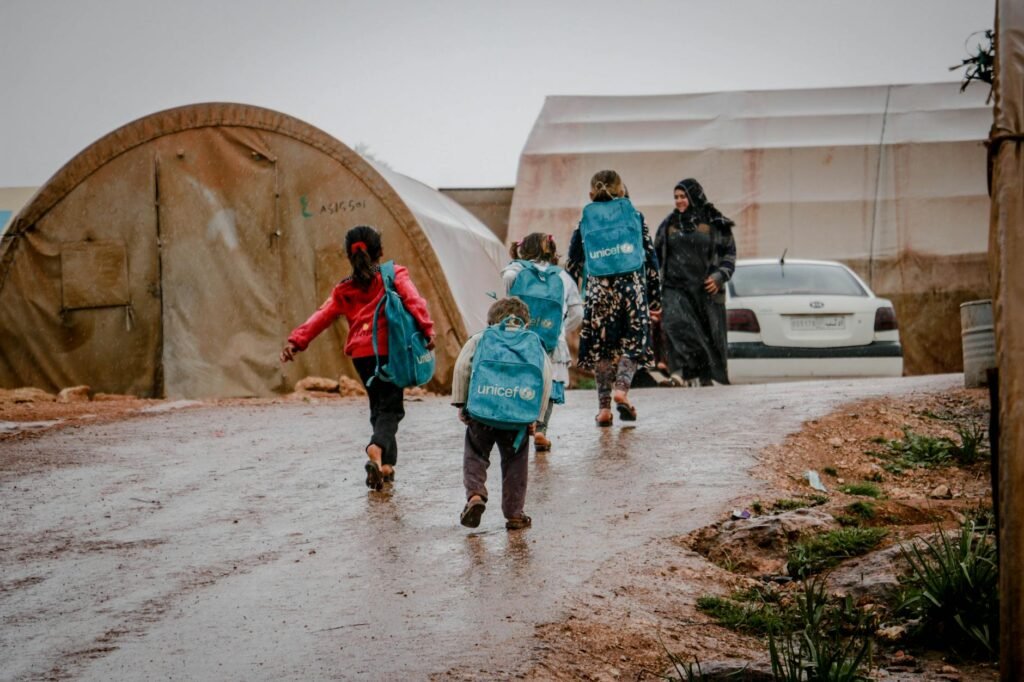
Thousands of Lebanese individuals are reportedly attempting to make their way back to their homes following the commencement of a 10-day cease-fire between Israel and Lebanon. The truce, which began on its first day, appeared to be holding, offering a glimmer of hope for a region long accustomed to conflict. Hezbollah politicians have affirmed a “cautious commitment” to the agreement, signaling a fragile but present willingness to abide by its terms.
This development, if sustained, could potentially remove a significant obstacle in broader peace discussions involving the United States and Iran. The cessation of hostilities along the volatile border has been a long-sought objective, and its initial success is being closely monitored by international observers. The movement of displaced populations underscores the profound human impact of the protracted conflict and the urgent desire for normalcy.
Information reaching TahirRihat.com suggests that the implementation of the cease-fire is being managed through a complex series of understandings and monitoring mechanisms. The commitment from Hezbollah, a powerful political and militant group, is particularly crucial for the longevity of the truce. Their public affirmation, while described as “cautious,” indicates a strategic engagement with the terms of the agreement, which could have far-reaching implications for regional stability.
The potential for this cease-fire to influence U.S.-Iran peace talks is a significant geopolitical consideration. Any de-escalation in the Middle East, particularly along such a sensitive frontier, can create a more conducive environment for diplomatic engagement on other fronts. The intricate web of alliances and rivalries in the region means that developments in one area can have ripple effects across multiple diplomatic and security landscapes. The coming days will be critical in determining whether this initial period of calm can be sustained and built upon.
The humanitarian aspect of the situation is paramount, with countless families having been displaced by the recurrent hostilities. The prospect of returning home, even under the shadow of a fragile truce, represents a significant moment for these communities. The logistical challenges of such mass movements are considerable, involving security assessments, the clearing of damaged infrastructure, and the provision of essential services to those returning. The international community is likely to be watching closely, ready to offer humanitarian assistance if the situation permits.
Hezbollah’s role in the conflict has historically been a central factor in the dynamics between Lebanon and Israel. Their stated commitment to the cease-fire, even with reservations, suggests a calculated approach to the current circumstances. This could be influenced by a variety of factors, including internal political considerations, the economic impact of sustained conflict, and the broader geopolitical currents shaping the region. The “cautious commitment” implies that the group remains vigilant and reserves the right to reassess its position should the terms of the agreement be violated or circumstances change unfavorably.
The broader implications for regional security cannot be overstated. A sustained cease-fire could lead to a reduction in the risk of wider conflict, which has always been a concern given the complex geopolitical alignments in the Middle East. The involvement of external powers, such as the United States and Iran, in mediating or influencing such agreements highlights the interconnectedness of regional security issues. The success of this 10-day truce could serve as a precedent or a confidence-building measure for more comprehensive peace efforts.
The return of thousands of Lebanese to their homes is not merely a logistical undertaking but a symbolic act of resilience and a testament to the enduring human desire for peace and stability. The process of rebuilding lives and communities, even after a temporary cessation of hostilities, is a long and arduous one. The coming days will reveal whether this cease-fire marks a genuine turning point or a brief interlude in a long-standing conflict. The world watches with a mixture of hope and apprehension as this critical period unfolds along the Israel-Lebanon border.


Tahir Rihat (also known as Tahir Bilal) is an independent journalist, activist, and digital media professional from the Chenab Valley of Jammu and Kashmir, India. He is best known for his work as the Online Editor at The Chenab Times.