


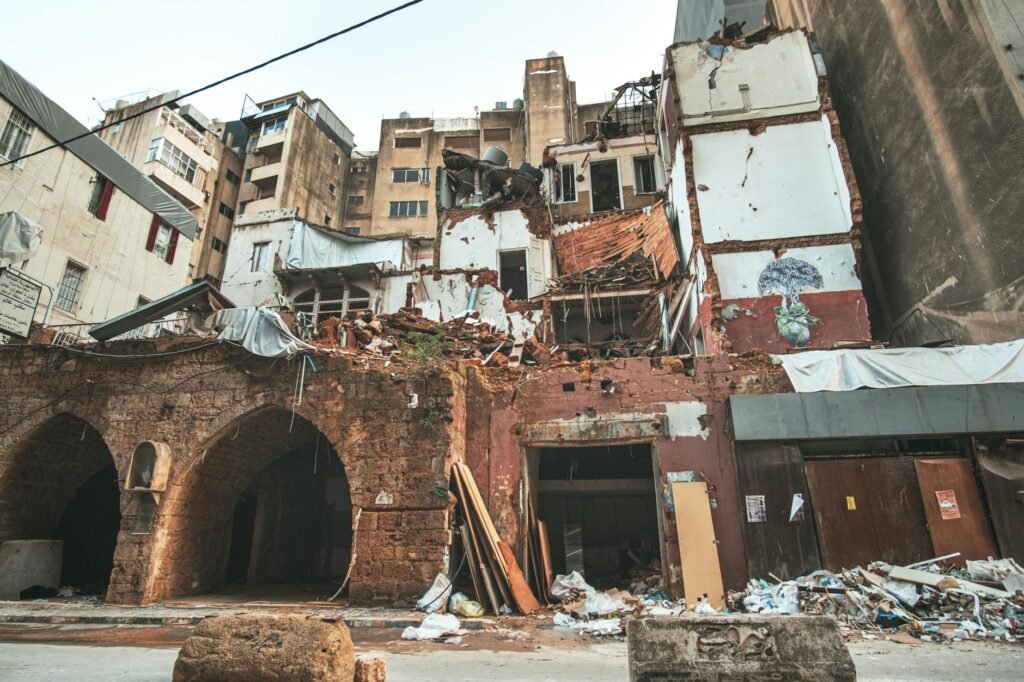
A significant number of individuals who were displaced by the recent conflict between Israel and Hezbollah in southern Lebanon are now making their way back to their homes. This movement follows the establishment of a 10-day truce that has brought a temporary cessation of hostilities to the war-torn region. The returnees are navigating through landscapes still bearing the visible marks of the intense fighting, a stark reminder of the recent hostilities.
Information reaching TahirRihat.com suggests that the scale of displacement was substantial, with approximately one million people forced to leave their homes due to the latest outbreak of war. The return of these individuals signifies a cautious optimism and a desire to rebuild lives and communities that have been severely disrupted. However, the journey back is not without its challenges, as the infrastructure and environment in many areas have been significantly impacted by the conflict. Residents are encountering damaged buildings, debris, and other physical evidence of the war as they re-enter their communities. The process of resettlement is expected to be arduous, requiring extensive efforts in reconstruction and recovery.
The truce, while providing a much-needed respite, has also brought into sharp focus the long-term implications of the conflict on the civilian population and the region’s stability. The return of displaced persons is a critical step in the recovery process, but it also highlights the urgent need for humanitarian assistance and long-term development strategies. The international community is expected to play a crucial role in supporting these efforts, providing aid for rebuilding homes, restoring essential services, and addressing the psychological impact of the war on the affected populations. The coming weeks and months will be crucial in determining the pace and success of this recovery, as residents attempt to reclaim normalcy amidst the remnants of war.
The returnees are not merely coming back to their houses; they are returning to a landscape irrevocably altered by the violence. The signs of war are omnipresent, from the rubble of destroyed structures to the craters left by shelling. This visual testament to the conflict serves as a constant reminder of the fragility of peace and the devastating consequences of armed conflict on civilian life. The sheer volume of people returning underscores the deep-seated connection individuals have to their ancestral lands and the resilience of the human spirit in the face of adversity. Yet, the practicalities of returning are immense. Access to basic amenities like water, electricity, and sanitation may be compromised, and the economic infrastructure, vital for livelihoods, will likely require significant investment to be restored.
The truce, brokered after days of intense fighting, has provided a window of opportunity for both sides to reassess their positions and for civilians to begin the arduous process of returning. However, the sustainability of this truce remains a significant concern. The underlying political and territorial disputes that fueled the conflict have not been resolved, leaving the possibility of renewed hostilities a persistent threat. The return of displaced populations, while a positive development, also raises questions about their security and the long-term viability of their resettlement in areas that remain vulnerable to future conflict. The international community’s role in mediating a lasting peace and providing humanitarian aid is therefore paramount.
The psychological toll of displacement and war on the population of southern Lebanon cannot be overstated. Many individuals have experienced trauma, loss, and profound uncertainty. The return to familiar surroundings, even amidst destruction, offers a semblance of stability, but the path to healing and recovery will be long and complex. The rebuilding of communities will involve not only physical reconstruction but also the restoration of social cohesion and the provision of mental health support services. The resilience demonstrated by the Lebanese people in the face of repeated conflict is remarkable, but it is a resilience that is constantly tested by the enduring challenges of war and instability.
The economic implications of the conflict and subsequent displacement are also profound. Many livelihoods were disrupted, businesses destroyed, and agricultural lands rendered unusable. The return of people to their homes is a precursor to economic recovery, but it will require substantial investment and support to revive local economies. The reconstruction efforts will need to be comprehensive, addressing not only housing but also the restoration of infrastructure, the creation of employment opportunities, and the support of small and medium-sized enterprises. The long-term economic stability of the region is intrinsically linked to the resolution of the conflict and the commitment to sustainable development.
The international response to the situation in southern Lebanon will be critical in shaping the trajectory of recovery. Humanitarian organizations are likely to be at the forefront of providing immediate relief, while governments and international bodies will need to commit to long-term reconstruction and peacebuilding initiatives. The success of these efforts will depend on effective coordination, adequate funding, and a sustained commitment to addressing the root causes of the conflict. The return of a million people to their homes is a powerful symbol of hope, but it is a hope that must be nurtured by tangible action and a genuine pursuit of lasting peace.
The signs of war are not merely physical; they are also etched into the collective memory of the people. The stories of loss, resilience, and survival will be passed down through generations, shaping the identity and future of southern Lebanon. As residents navigate the debris and begin the process of rebuilding, they carry with them the weight of their experiences and the enduring hope for a future free from conflict. The current truce offers a fragile opportunity to lay the groundwork for such a future, but it requires a concerted effort from all stakeholders to ensure that the signs of war are eventually replaced by the signs of peace and prosperity.


Tahir Rihat (also known as Tahir Bilal) is an independent journalist, activist, and digital media professional from the Chenab Valley of Jammu and Kashmir, India. He is best known for his work as the Online Editor at The Chenab Times.