


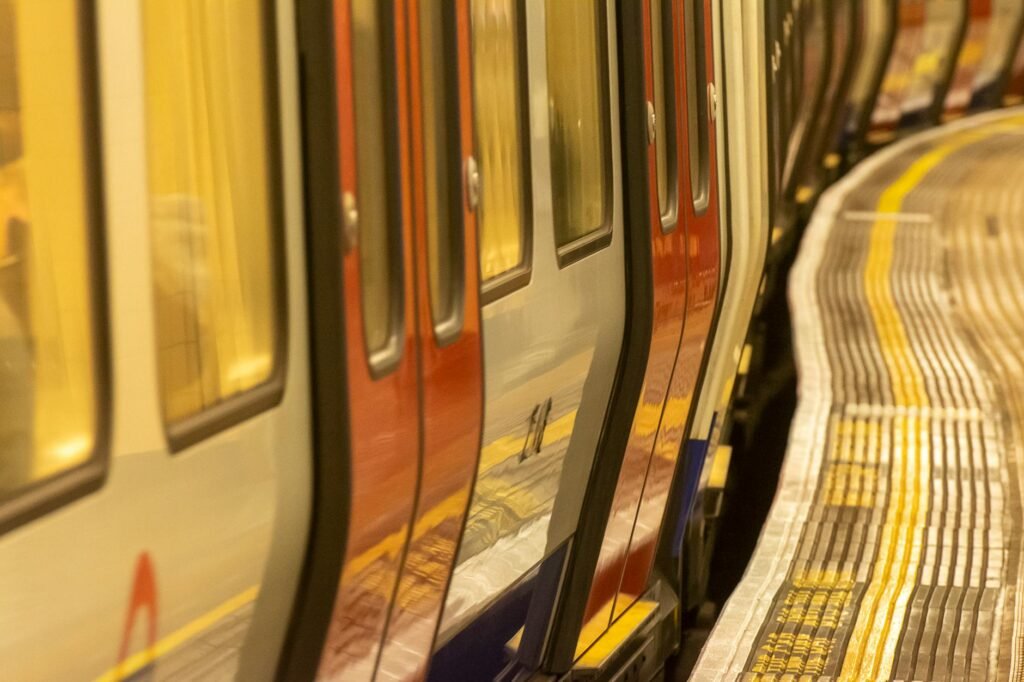
London’s extensive Underground rail network, commonly known as the Tube, is poised for significant disruption as drivers prepare to embark on a strike. The industrial action, stemming from a dispute over working conditions and hours, is anticipated to cause widespread delays and service interruptions across the city’s vital transit system. Passengers are being advised to make alternative travel arrangements as the strike is expected to halt operations on at least two of the Tube’s lines, potentially impacting millions of daily commuters.
The planned strike action by Tube drivers represents a significant challenge for Transport for London (TfL), the body responsible for the city’s public transport. While the exact duration and full extent of the service stoppages are yet to be definitively outlined, the threat alone has prompted widespread concern among Londoners. Information reaching TahirRihat.com suggests that negotiations between the drivers’ union and TfL management have reached an impasse, making industrial action an increasingly likely outcome. The dispute centers on a complex set of grievances related to the daily routines and working hours of the drivers, issues that have been simmering for some time.
The potential consequences of such a strike are far-reaching. London’s Tube system is one of the busiest and most extensive underground railways in the world, serving as the circulatory system for the vast metropolis. Any significant reduction in service can lead to severe congestion on the roads, increased pressure on other public transport modes like buses and overground trains, and considerable economic impact due to lost productivity and missed appointments. The strike is expected to cause widespread delays, stopping service on two lines, according to reports from The New York Times. This level of disruption is not uncommon during industrial disputes involving TfL, but the anticipation of service halts on specific lines underscores the potential severity of the situation.
The core of the disagreement, as reported, revolves around the working conditions and hours that are standard for Tube drivers. These are often demanding roles, requiring long shifts, unsociable hours, and a high degree of responsibility. Unions representing the drivers typically advocate for terms that ensure fair treatment, adequate rest periods, and reasonable workloads. Management, on the other hand, often cites operational efficiency, cost management, and the need for flexibility in scheduling as key considerations. The specifics of the current dispute, however, have not been fully detailed in public statements, leaving many to speculate on the precise points of contention. The New York Times noted that the dispute over working conditions and hours is expected to cause widespread delays, stopping service on two lines.
The history of industrial relations within London’s transport sector is a long and often contentious one. Strikes have, at various times, been used as a powerful tool by transport workers to press their demands. These actions have frequently led to significant public inconvenience, but they have also, in some instances, resulted in concessions from employers and improvements in working conditions. The current situation appears to be following a familiar pattern, where dialogue has failed to bridge the gap between employee representatives and management, leading to the brink of industrial action. The reliance of London’s economy and daily life on its transport infrastructure means that any disruption to the Tube network is felt acutely across the city.
The impact on commuters will likely be immediate and severe. Those who rely on the affected Tube lines will be forced to seek alternative routes, which may involve longer journey times, increased costs, or simply greater crowding on already busy services. Businesses may also face challenges, with employees struggling to reach their workplaces on time. The economic ripple effects of such a widespread transport breakdown can extend beyond the immediate inconvenience, affecting everything from retail sales to the productivity of the city’s workforce. The anticipation of service halts on two lines suggests a targeted approach by the striking drivers, likely aimed at maximizing impact while potentially minimizing the disruption to the entire network, though the knock-on effects are often unpredictable.
Transport for London has a well-established protocol for managing industrial action, which typically involves communicating with the public well in advance of any strike, providing advice on alternative travel, and attempting to maintain as much service as possible. However, the effectiveness of these measures can be limited when a significant portion of the workforce is participating in industrial action. The union representing the Tube drivers will undoubtedly be seeking to leverage the disruption to achieve its objectives in the ongoing negotiations. The outcome of these talks, and the eventual resolution of the dispute, will be closely watched by Londoners and the wider transport industry.
The specific working conditions and hours that are the subject of this dispute are crucial to the well-being and safety of Tube drivers, who operate complex machinery in a high-pressure environment. Factors such as fatigue, shift patterns, and the demands of the job can all have a significant bearing on performance and safety. Unions often argue that improvements in these areas are not just about employee welfare but also about ensuring the continued safe and efficient operation of the transport system. Management, conversely, must balance these concerns with the financial realities of running a vast public service and the need to adapt to changing passenger demands and technological advancements.
As the strike date approaches, the focus will shift to whether any last-minute negotiations can avert the planned industrial action. The stakes are high for all parties involved: the drivers, who are seeking better terms; Transport for London, which must manage the service and its budget; and the millions of Londoners who depend on the Tube for their daily commute. The prospect of service being stopped on two lines serves as a stark reminder of the power of organized labor in critical public services and the intricate dependencies that characterize modern urban life. The resolution of such disputes often involves compromise, but the path to that compromise can be fraught with disruption and uncertainty.


Tahir Rihat (also known as Tahir Bilal) is an independent journalist, activist, and digital media professional from the Chenab Valley of Jammu and Kashmir, India. He is best known for his work as the Online Editor at The Chenab Times.