


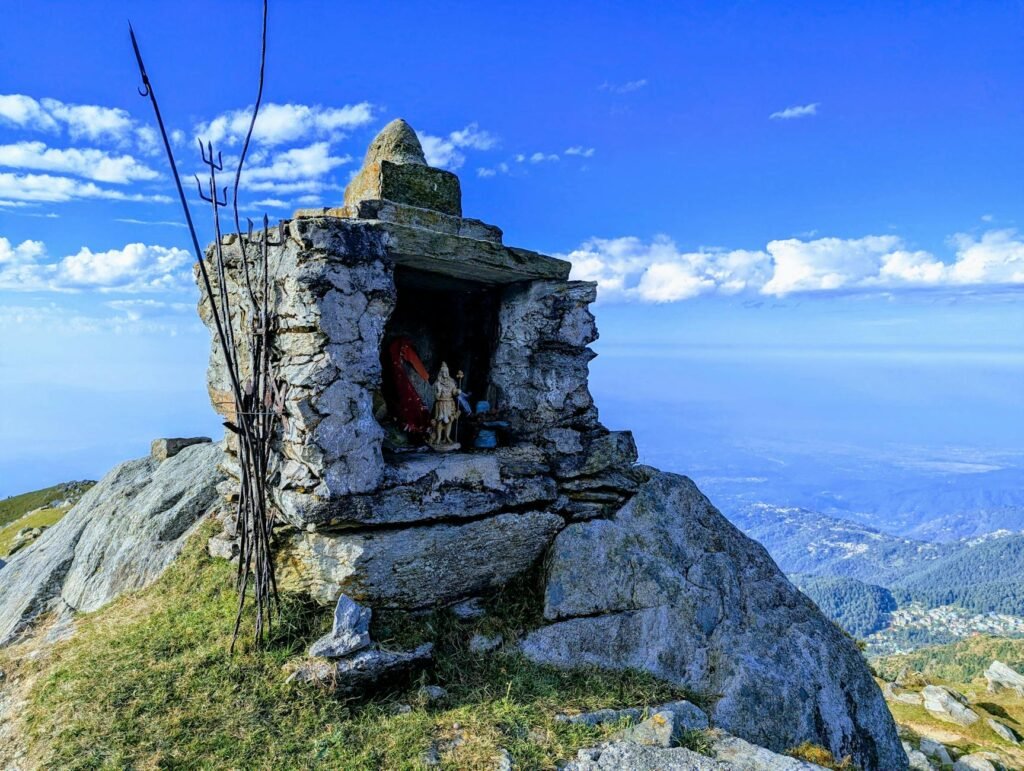
The annual Machail Mata Yatra has commenced in Jammu and Kashmir‘s Kishtwar district, with hundreds of devotees flocking to the high-altitude shrine. The pilgrimage to the revered shrine in the Paddar valley began after the reopening of its doors following the winter season. Authorities have implemented stricter regulations, making prior registration mandatory for all devotees before they are permitted to enter for darshan.
The yatra takes place at the 9,705 feet high shrine. Information reaching TahirRihat.com suggests that this year’s pilgrimage holds particular significance as authorities are keen on ensuring a safe and smooth experience for all, especially after the unfortunate incident that occurred last year.
Last year, a cloudburst struck Chisoti village, which serves as the gateway to the Machail Mata shrine, on August 14. (Daily Excelsior reported that) the disaster resulted in the deaths of 63 people, predominantly devotees, and left many others injured and some missing. The flash floods also caused substantial damage to infrastructure, including washing away a crucial bridge and damaging several other structures, severely disrupting connectivity to the area.
In light of the previous year’s calamity, the administration has left no stone unturned in bolstering safety measures. Jammu Divisional Commissioner Ramesh Kumar, along with Jammu IGP Bhim Sen Tuti, Kishtwar Deputy Commissioner Pankaj Kumar Sharma, and SSP Naresh Singh, were present at the shrine, joining the pilgrims in prayers. (Officials said that) the religious event also marked the ceremonial shifting of the idol of goddess Machail Mata from the residence of local priest Pehalwan Singh to the main temple.
Following the prayers, the Divisional Commissioner and the Inspector General of Police conducted a comprehensive review of the arrangements established for the Machail Mata Yatra. The review encompassed a thorough assessment of security protocols, ensuring the provision of essential amenities such as electricity, water supply, sanitation facilities, langar sewa (community kitchen), accommodation, transportation, and healthcare services for the large number of devotees who are expected to participate in the pilgrimage. (Officials said that) during the review, the Deputy Commissioner issued specific directives for the effective implementation and enforcement of RFID registration.
Counters are being set up for on-the-spot registration at the Gauri Shankar Mandir Sarkoot and the base camp in Gulabgarh, ensuring that all pilgrims are registered before proceeding further. (The DC emphasized that), under the new regulations, no entry shall be permitted without prior registration, underscoring the importance of this measure in ensuring the safety and security of all participants. The Deputy Commissioner also issued instructions for the strict implementation of sanitation measures, including the deployment of sanitation workers and the proper management of plastic waste. This initiative aims to make the Yatra 100 percent plastic-free, promoting environmental sustainability during the pilgrimage.
Further directives were issued to ensure an uninterrupted supply of electricity to Machail and its surrounding areas, addressing a crucial need for the smooth conduct of the Yatra. The Deputy Commissioner also directed the provision of adequate water supply and accommodation facilities in educational institutions such as schools and colleges along the Yatra route from Gulabgarh to Machail. These facilities will serve as temporary shelters in the event of adverse weather conditions or any other emergencies that may arise during the pilgrimage. (Officials said that) helicopter services will be initiated after obtaining necessary permissions from the concerned authorities.
Authorities are taking measures to restrict any activity near the cloudburst-affected area. (The DC stated that) “There shall be no movement of pilgrims, nor any establishment at the cloudburst-affected site at Chishoti.” Additionally, the Deputy Commissioner has directed the concerned executing agencies to assess the feasibility of increasing the height of the bridge at Chisoti and undertake necessary measures to enhance its structural resilience.


Tahir Rihat (also known as Tahir Bilal) is an independent journalist, activist, and digital media professional from the Chenab Valley of Jammu and Kashmir, India. He is best known for his work as the Online Editor at The Chenab Times.