


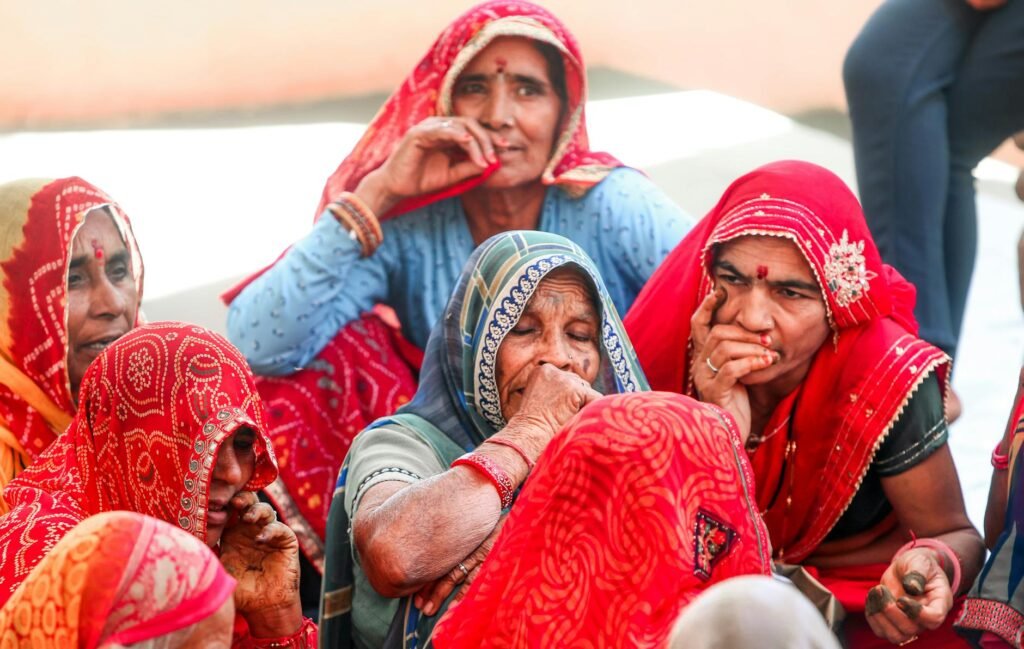
Union Ministers Manohar Lal Khattar and Sanjay Seth have sharply criticized opposition parties and their allies, accusing them of betraying women and prioritizing political maneuvering over the passage of a crucial constitutional amendment bill aimed at increasing women’s representation in legislative bodies. The bill, which sought to implement 33 percent reservation for women in the Lok Sabha and state assemblies from 2029, was defeated in the Lower House of Parliament, with 298 members voting in favor and 230 against. The proposed legislation required a two-thirds majority for passage, meaning 352 votes were needed, a threshold it failed to meet.
Speaking to reporters in Jalandhar, Punjab, Manohar Lal Khattar expressed strong disapproval of the opposition’s role in the bill’s defeat, stating that their actions constituted an “injustice” to women across India. He highlighted the significant contributions of women in various fields, including agriculture, science, industry, medicine, engineering, teaching, and sports, emphasizing the Bharatiya Janata Party’s consistent advocacy for greater political participation for women. As per information available with TahirRihat.com, Khattar alleged that the Congress party, in particular, had created obstacles and stepped back from supporting the bill for unspecified reasons. He characterized the opposition’s conduct as a “disgusting game” that prevented the bill from becoming law. Khattar further elaborated that a constitutional amendment bill necessitates a two-thirds majority, and he had hoped for a unified show of confidence in women. Instead, he accused the opposition of committing “vishwas ghat” – a betrayal of trust not only towards the government but also towards women, an act he deemed reprehensible. He asserted that women would remember this stance and that the opposition would face electoral repercussions for their actions.
Uttar Pradesh Minister Baby Rani Maurya, who was present with Khattar, also voiced her strong condemnation of the Congress and its allied parties, including the Trinamool Congress (TMC), Dravida Munnetra Kazhagam (DMK), and the Samajwadi Party. She stated that their opposition to the constitutional amendment bill in the Lok Sabha amounted to an “insult” to women. Maurya emphasized that women are resilient but will not tolerate such disrespect and predicted that the opposition would face significant backlash from women voters in upcoming elections.
Union Minister Sanjay Seth echoed these sentiments, describing the actions of the INDIA bloc as a “grave sin” and warning them to prepare for the consequences. He conveyed that the nation is angered by their stance and that the public would hold them accountable. Seth underscored the Nari Shakti Vandan Adhiniyam, the formal name of the bill, as more than just a piece of legislation; he described it as a vital instrument designed to secure the rightful entitlements of India’s female population, which constitutes half of the nation’s citizens. He expressed regret that the Congress and other opposition parties had chosen to prioritize political considerations over this critical issue, when they should have unitedly supported the empowerment of the country’s women. Seth, accompanied by former Haryana Minister Kiran Choudhry, asserted that the opposition’s position clearly indicated they were not genuine proponents of women’s active participation in politics. He reassured the women of India that the government’s commitment to upholding their rights and dignity remains steadfast and that efforts will continue to ensure they receive equal opportunities and respect in all aspects of life.
The defeat of the bill in the Lok Sabha has ignited a heated debate about the political will and commitment to gender equality in India. Proponents of the bill argue that it was a historic opportunity to significantly boost women’s representation and ensure their voices are heard in policy-making. They contend that the opposition’s failure to support the bill, despite acknowledging the importance of women’s contributions, reflects a deep-seated political calculation rather than a genuine concern for women’s empowerment. The ministers’ strong remarks suggest that the ruling party intends to make this a significant election issue, aiming to mobilize women voters against the opposition.
The political discourse surrounding the women’s reservation bill has often been complex, with various parties expressing support in principle while raising concerns about its implementation timeline and potential impact on existing political dynamics. However, the direct accusation of betrayal and insult leveled by the Union Ministers points to a strategic attempt to frame the opposition as anti-women. This narrative is likely to be amplified in the run-up to future elections, with the BJP seeking to consolidate its support base among women by portraying itself as the sole champion of their political advancement.
The defeat of the Constitution Amendment Bill in the Lok Sabha, as reported by various outlets, signifies a setback for those advocating for faster progress in gender representation in Indian politics. While the government has pledged to continue its efforts, the immediate future of the women’s quota remains uncertain, contingent on future legislative attempts and the evolving political landscape. The strong reactions from the Union Ministers underscore the high stakes involved and the potential for this issue to significantly influence electoral outcomes.


Tahir Rihat (also known as Tahir Bilal) is an independent journalist, activist, and digital media professional from the Chenab Valley of Jammu and Kashmir, India. He is best known for his work as the Online Editor at The Chenab Times.