


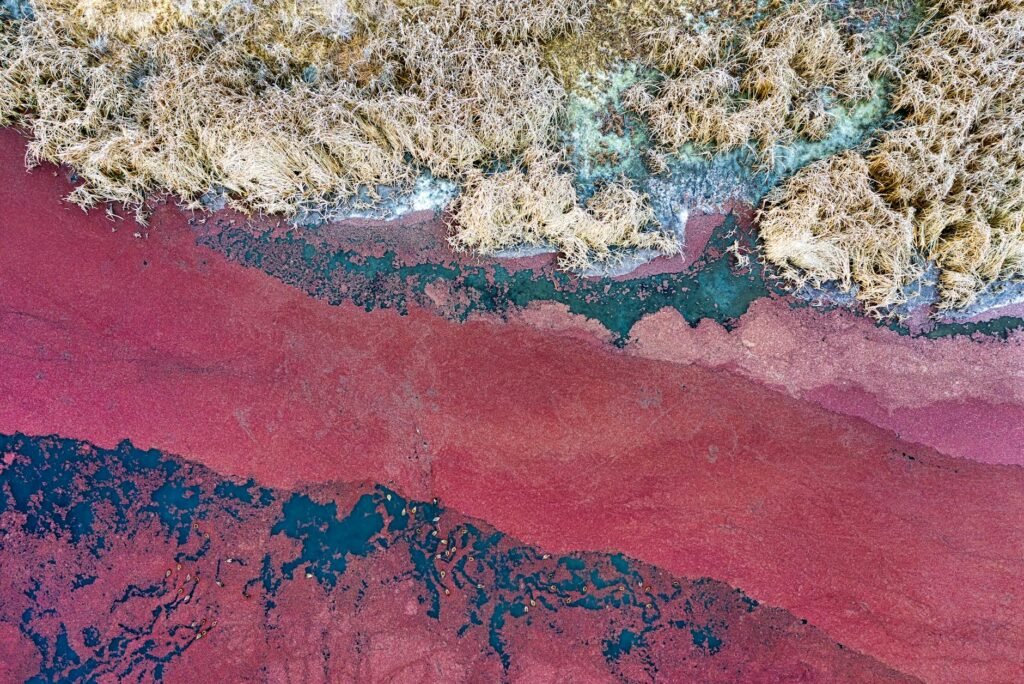
A persistent algal bloom has been wreaking havoc along the coast of South Australia for over a year, triggering widespread marine life deaths and causing distress among communities that rely on the ocean for their livelihoods and recreation. The unusual event, which began in early 2025, has baffled marine biologists and raised concerns about the long-term health of the region’s marine environment. We examined reports from the South Australian Department of Primary Industries and Regions (PIRSA) and conservation groups to understand the scale and scope of the unfolding ecological crisis.
The algal bloom, characterized by a rapid increase in the population of microscopic algae, has led to significant fish kills, impacting various species of marine life. Fisheries have reported substantial losses, and recreational anglers have witnessed a decline in fish populations. The bloom’s impact extends beyond fish, affecting marine mammals, seabirds, and other organisms that depend on a healthy marine ecosystem.
The causes of the algal bloom remain under investigation. Scientists are exploring several potential contributing factors, including nutrient runoff from agricultural land, changes in ocean temperatures, and altered salinity levels due to increased evaporation and reduced rainfall. We reviewed historical weather patterns to assess potential links between climate conditions and the algal bloom’s emergence. Nutrient pollution, particularly from fertilizers used in agriculture, is a major concern. These nutrients can fuel the rapid growth of algae, leading to blooms that deplete oxygen levels in the water and release toxins harmful to marine life.
The South Australian government has initiated monitoring programs to track the bloom’s spread and assess its impact on the marine environment. PIRSA is working with local communities and research institutions to gather data and understand the underlying causes of the event. Measures to mitigate the bloom’s effects are also under consideration, including strategies to reduce nutrient runoff and improve water quality.
We spoke with local fisherman, Rajeev Kumar, who expressed deep concern about the future of his livelihood, describing the devastating impact the bloom has had on fish stocks. He noted that previously abundant fishing grounds are now barren, threatening the economic viability of entire coastal communities. The tourism industry is also feeling the pinch. Beaches once teeming with visitors are now deserted, as people avoid areas affected by the bloom. The downturn in tourism revenue is adding to the economic hardship faced by coastal towns in South Australia.
Algal blooms are a recurring issue in marine environments around the world. They can be triggered by a combination of natural and human-induced factors, including climate change, pollution, and overfishing. In India, similar events have affected coastal ecosystems, leading to declines in fish populations and disruptions to fishing communities. In Jammu and Kashmir, algal blooms have been reported in Dal Lake and other water bodies, impacting water quality and aquatic life.
The situation in South Australia highlights the interconnectedness of human activities and the health of the marine environment. Addressing the root causes of algal blooms requires a comprehensive approach that includes reducing pollution, managing water resources sustainably, and mitigating the effects of climate change. We examined reports from the Intergovernmental Panel on Climate Change (IPCC) that suggest rising ocean temperatures and changes in rainfall patterns are likely to exacerbate algal bloom events in the future.
The long-term consequences of the South Australian algal bloom are still unfolding. Scientists are concerned about the potential disruption of food webs, the loss of biodiversity, and the increased vulnerability of the marine ecosystem to future disturbances. We found that rehabilitation efforts will require sustained investment and collaboration among government agencies, research institutions, and local communities. The ongoing crisis serves as a stark reminder of the need to protect and manage marine resources sustainably to ensure the health and resilience of these vital ecosystems.
The South Australian government is working with local farmers to implement best management practices to reduce nutrient runoff from agricultural land. These practices include using fertilizers more efficiently, improving irrigation techniques, and implementing buffer zones along waterways to filter out pollutants. We reviewed reports from the Australian Landcare program which detailed several successful examples of community-based initiatives aimed at improving water quality and restoring degraded ecosystems.
The investigation into the specific algae species responsible for the bloom is ongoing. Identifying the species is crucial for understanding the toxins it may produce and the potential risks to human health. We are monitoring advisories issued by public health authorities regarding seafood consumption from affected areas.
We are also monitoring development of early warning systems based on satellite monitoring and advanced sensor technologies being developed to detect and track algal blooms in real-time, allowing for timely interventions to minimize their impact. This technology has significant potential for managing and mitigating the effects of algal blooms in India and other regions facing similar challenges.


Tahir Rihat (also known as Tahir Bilal) is an independent journalist, activist, and digital media professional from the Chenab Valley of Jammu and Kashmir, India. He is best known for his work as the Online Editor at The Chenab Times.