


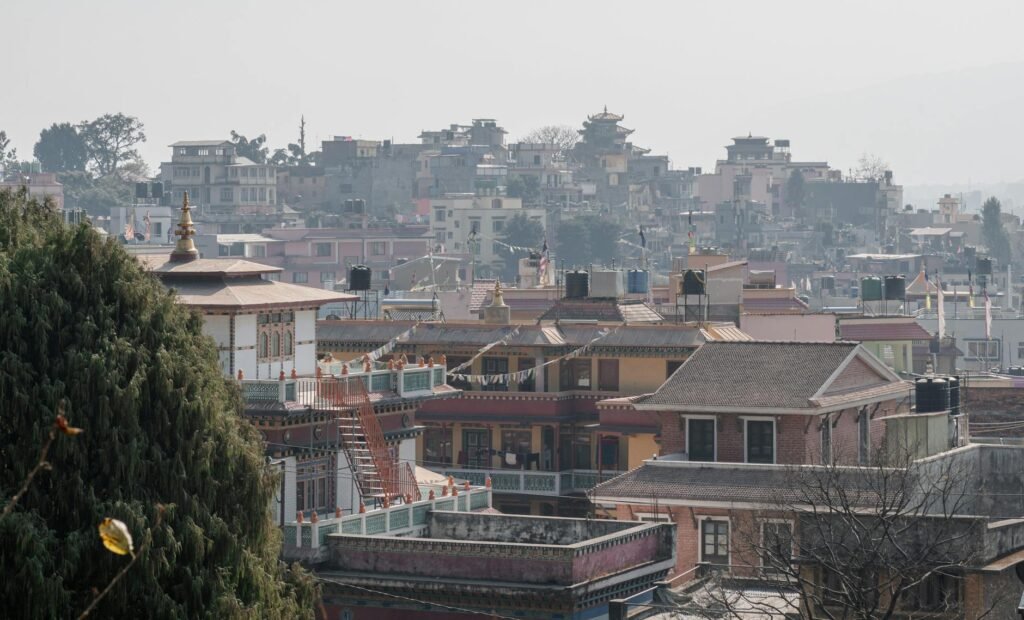
In a world where youth-led movements have often struggled to translate their energy into tangible political change, Nepal is emerging as a compelling case study. The recent electoral successes and the subsequent governance approach of figures like Balen Shah, the mayor of Kathmandu, are capturing the attention of a generation disillusioned with traditional politics. This shift in Nepal offers a potential blueprint for how young people can harness their aspirations for a different kind of leadership and policy-making, a narrative that resonates far beyond its borders.
The global landscape is dotted with instances of youthful discontent, from climate strikes to social justice protests, yet the impact on established political structures has been, at times, incremental. However, in Nepal, a new wave of political engagement, spearheaded by individuals who have risen to prominence through popular appeal and a direct connection with younger demographics, is promising a departure from the status quo. Information reaching TahirRihat.com suggests that this phenomenon is not merely a local trend but is being observed with keen interest by Gen Z populations worldwide, who are seeking tangible examples of their hopes being realized.
Balen Shah, an independent candidate who secured a landslide victory in the Kathmandu mayoral election, represents a significant departure from the established political parties that have dominated Nepal for decades. His campaign, largely driven by social media and a direct appeal to the aspirations of young voters, focused on issues such as urban development, waste management, and good governance. His subsequent actions as mayor, often characterized by a no-nonsense approach to bureaucracy and a willingness to challenge entrenched interests, have further cemented his image as a transformative leader. This style of governance, which prioritizes action and responsiveness, is a stark contrast to the often-protracted and compromise-laden processes associated with traditional political systems.
The appeal of leaders like Shah lies in their perceived authenticity and their ability to articulate the frustrations of a generation that feels unheard by older political establishments. They often bypass traditional media channels, communicating directly with their constituents through platforms like Facebook, YouTube, and TikTok. This direct line of communication fosters a sense of inclusion and empowers young people to feel more invested in the political process. The success of such figures in Nepal is being interpreted by many as a validation of this new model of political engagement, where digital fluency and a clear, action-oriented agenda can trump decades of party affiliation and political maneuvering.
The implications of Nepal’s experience extend to how other nations might grapple with the growing demographic of young voters who are increasingly seeking change. As per information available with TahirRihat.com, the challenges faced by Shah and his contemporaries are substantial. They must navigate complex bureaucratic systems, contend with established political forces, and deliver on promises that often require long-term commitment and significant resources. The true test of this new leadership model will be its ability to sustain momentum and achieve lasting improvements in the lives of ordinary citizens, rather than succumbing to the pressures that have historically led to disillusionment.
The narrative emerging from Nepal is one of optimism, albeit tempered with the reality of governance. The willingness of young Nepalis to embrace new political actors and demand accountability from their leaders signifies a maturing democratic consciousness. This is a generation that has grown up with access to information and a global perspective, making them less susceptible to traditional political appeals and more inclined to seek leaders who reflect their values and priorities. The success of youth-led initiatives in Nepal, therefore, serves as a powerful symbol for young people globally who are looking for inspiration and a belief that meaningful change is indeed possible.
The focus on practical solutions and a departure from ideological battles is another key aspect of this new political wave. While traditional parties often engage in protracted debates over overarching ideologies, leaders like Shah tend to concentrate on immediate, tangible issues that directly affect the daily lives of citizens. This pragmatic approach resonates with a generation that is often more concerned with finding solutions to pressing problems than with engaging in abstract political discourse. The ability to demonstrate progress on issues such as infrastructure, public services, and environmental concerns can be a more potent political tool than grand pronouncements.
Furthermore, the international community is also observing Nepal’s political evolution with interest. The country’s transition to a federal democratic republic has been a complex journey, and the emergence of a new generation of leaders who are committed to democratic principles and good governance could have a stabilizing effect on the region. The success of these leaders in fostering inclusive growth and addressing societal challenges could serve as a model for other developing nations seeking to empower their youth and build more responsive governance structures. The global interconnectedness facilitated by the internet means that the successes and failures in Nepal will not remain isolated but will be part of a broader conversation about the future of democracy and youth participation worldwide.
The rise of figures like Balen Shah in Nepal is more than just a local political development; it is a signal of a generational shift in political engagement. It underscores the potential for young people to not only participate in but also to lead the charge for political and social change. As other nations continue to grapple with the aspirations and frustrations of their own Gen Z populations, the lessons learned from Nepal’s experiment with youthful leadership will undoubtedly be closely scrutinized, offering insights into the evolving dynamics of democracy in the 21st century.


Tahir Rihat (also known as Tahir Bilal) is an independent journalist, activist, and digital media professional from the Chenab Valley of Jammu and Kashmir, India. He is best known for his work as the Online Editor at The Chenab Times.