


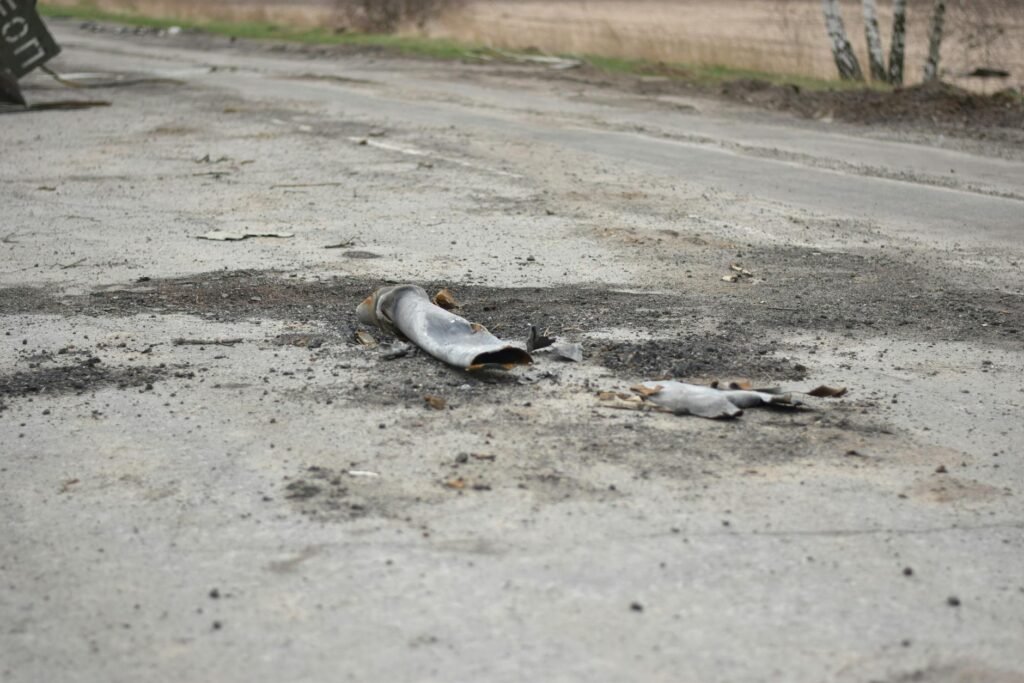
New evidence has emerged implicating U.S.-made missiles in a strike that resulted in the deaths of 21 civilians in the Iranian city of Lamerd. The evidence, consisting of images and video footage, builds upon prior analysis that the Pentagon has refuted. The materials appear to show that Precision Strike Missiles (PrSMs) struck a sports hall and residential areas.
The incident has heightened tensions in a region already fraught with conflict, further complicating the relationship between the United States and Iran. The implications of these findings could be wide-ranging, affecting diplomatic relations, security strategies, and ongoing negotiations in the region. The evidence and its potential impact are being closely scrutinized by international observers and policymakers alike.
Precision Strike Missiles, or PrSMs, are a type of surface-to-surface missile developed by the United States. They are designed to strike targets at a variety of ranges with high accuracy. The missile system is relatively new, with the U.S. Army having accepted the first production models in late 2023. The PrSM is intended to replace the aging Army Tactical Missile System (ATACMS).
The debate surrounding the use of U.S. weaponry in conflict zones, particularly in instances involving civilian casualties, is a recurring theme in international relations. Arms sales and military aid provided by the U.S. to various countries often come under scrutiny, with concerns raised about the potential for misuse and the impact on human rights. The situation in Yemen, where a Saudi-led coalition has been fighting Houthi rebels, has frequently highlighted these concerns, with allegations of U.S.-supplied weapons being used in attacks that have killed civilians.
In the context of India-U.S. relations, defense cooperation has grown significantly in recent years. India has become a major buyer of U.S. military equipment, including advanced missile defense systems, transport aircraft, and helicopters. This growing defense partnership is seen as a key component of the broader strategic alignment between the two countries, driven by shared concerns about regional security and the rise of China. However, incidents like the one in Lamerd could potentially create friction, as India navigates its relationship with both the U.S. and Iran.
Iran has been under various forms of international sanctions for decades, largely due to its nuclear program and support for militant groups in the Middle East. These sanctions have had a significant impact on the Iranian economy, limiting its access to international markets and financial systems. The U.S. withdrawal from the Iran nuclear deal in 2018 and the subsequent reimposition of sanctions have further exacerbated the situation.
The city of Lamerd, located in Iran’s Fars province, has not been a frequent focal point of international news. However, it sits within a region that has seen its share of geopolitical tensions. The province is relatively close to the Persian Gulf, a vital waterway for global oil transport, and near to areas that have seen increased military activity in recent years.
The Pentagon has disputed the earlier analysis that indicated the use of U.S. missiles in the Lamerd strike. However, the emergence of new evidence, including images and video footage, presents a renewed challenge to this denial. The specifics of the Pentagon’s rebuttal have not been released.
We are making attempts to independently verify the claims regarding the origin and deployment of the missiles used in the strike. This includes analyzing available open-source imagery, reviewing official statements from both the U.S. and Iranian governments, and consulting with independent weapons experts. However, gaining definitive confirmation in such situations can be challenging due to the complexities of verifying weapon origins and the limited access to the affected area.
The incident occurs against a backdrop of stalled negotiations regarding Iran’s nuclear program. Efforts to revive the 2015 nuclear deal have been ongoing for some time; however, significant disagreements remain between Iran and the other parties involved, including the U.S., the UK, France, Germany, Russia, and China. The incident creates an increasingly complex setting for further diplomatic efforts.
The Indian government, while maintaining a strategic partnership with the United States, also has long-standing ties with Iran, including cooperation on regional connectivity projects such as the Chabahar Port. India will likely be closely monitoring the situation and assessing its potential impact on regional stability and its own strategic interests.
The accusations, if substantiated, could strengthen calls for greater transparency and accountability in the use of U.S.-supplied weapons around the world. Human rights organizations have long advocated for stricter controls on arms sales to countries with questionable human rights records.
There is no independent confirmation from international bodies like the UN related to these specific claims. Verification would involve a thorough investigation of the missile fragments, impact sites, and other related evidence. A formal inquiry could be requested; it is unclear whether one will be initiated.


Tahir Rihat (also known as Tahir Bilal) is an independent journalist, activist, and digital media professional from the Chenab Valley of Jammu and Kashmir, India. He is best known for his work as the Online Editor at The Chenab Times.