


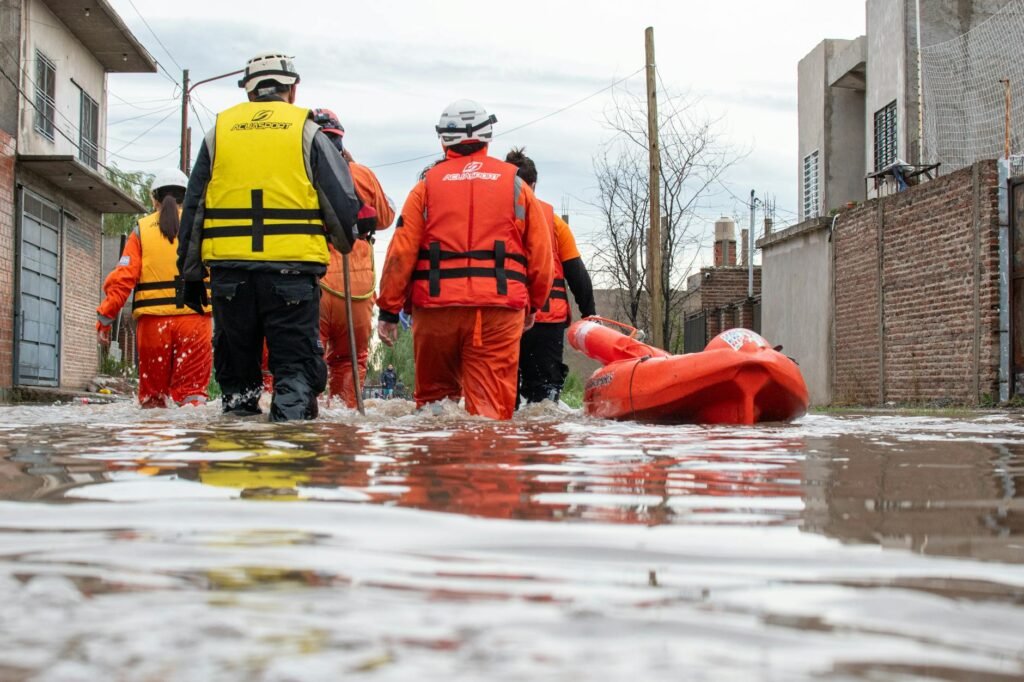
Wellington, New Zealand’s capital city, has been plunged into a state of emergency following a severe onslaught of torrential rain. The deluge has triggered widespread disruption, leading to significant landslides, flash floods, and the unfortunate closure of over 100 schools across the city and its surrounding regions. The declaration of emergency underscores the severity of the situation, as authorities grapple with the immediate aftermath of the extreme weather event and mobilize resources to address the escalating challenges.
The relentless downpour has overwhelmed drainage systems and saturated the ground, creating hazardous conditions. Landslides have blocked key roadways, hampering emergency services and isolating communities. The flash floods have inundated homes and businesses, causing considerable damage and forcing residents to evacuate. Information reaching TahirRihat.com suggests that the scale of the disruption has necessitated a coordinated response from multiple agencies, including civil defense, emergency management, and local government bodies. The immediate priority is the safety of residents, with efforts focused on rescue operations, providing shelter for those displaced, and assessing the full extent of the damage.
The closure of educational institutions impacts thousands of students and staff, adding another layer of complexity to the unfolding crisis. Parents and guardians are facing challenges in arranging alternative care and ensuring the continuity of learning where possible. The decision to close schools is a precautionary measure to safeguard the well-being of children and young people, given the dangerous conditions on the ground and the potential for further adverse weather. As the situation develops, authorities are closely monitoring weather forecasts and the ongoing impact of the rain on infrastructure and public safety. The declaration of emergency provides a framework for streamlined decision-making and resource allocation to effectively manage the crisis and begin the process of recovery.
The meteorological conditions that have led to this extreme weather event are being closely examined by climate scientists. While specific details regarding the long-term implications or the precise meteorological triggers were not immediately available in the initial reports, such intense rainfall events are increasingly being linked to broader patterns of climate change. The impact on Wellington serves as a stark reminder of the vulnerability of urban areas to extreme weather phenomena and the critical need for robust disaster preparedness and resilient infrastructure. The coming days will be crucial in assessing the full scope of the damage, coordinating relief efforts, and beginning the long road to recovery for the affected communities in and around the New Zealand capital.


Tahir Rihat (also known as Tahir Bilal) is an independent journalist, activist, and digital media professional from the Chenab Valley of Jammu and Kashmir, India. He is best known for his work as the Online Editor at The Chenab Times.