


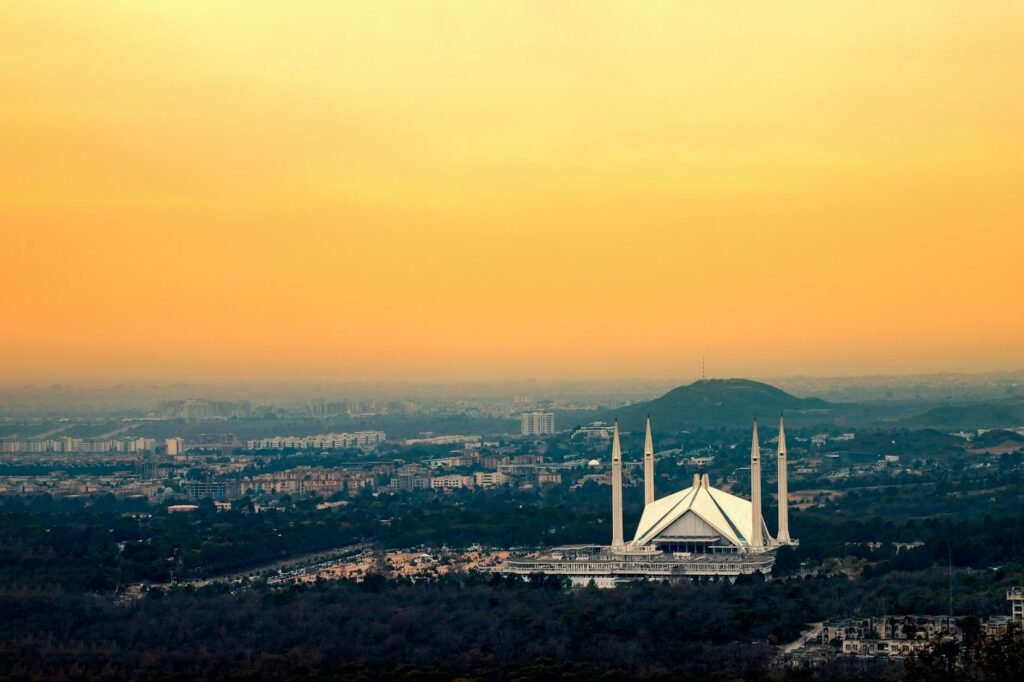
Following the suspension of indirect talks between the United States and Iran in Islamabad, Pakistan faces a complex set of economic and diplomatic challenges. The talks, aimed at de-escalating tensions and potentially reviving stalled nuclear agreements, concluded without a breakthrough, leaving the future uncertain. The implications for Pakistan, a nation bordering Iran and with significant strategic ties to the US, are considerable.
The cessation of the Islamabad discussions places Pakistan in a delicate position. Historically, Pakistan has attempted to maintain balanced relations with both Iran and the United States, a task made increasingly difficult by the strained relationship between Washington and Tehran. This balancing act is crucial for Pakistan’s regional security and economic interests. Any escalation of tensions risks destabilizing the region, potentially impacting Pakistan’s own security situation, particularly along its western border.
Economically, Pakistan stands to lose if US-Iran relations worsen. The potential for increased sanctions and trade restrictions could limit Pakistan’s ability to engage in cross-border commerce with Iran. Pakistan has been exploring avenues to enhance trade with Iran, particularly in energy and agriculture, but these efforts could be hampered by renewed international sanctions. Furthermore, any disruption to regional stability could negatively affect foreign investment and economic growth within Pakistan.
Pakistan’s role as a facilitator in these talks highlights its desire to play a constructive role in regional diplomacy. However, the failure to achieve a breakthrough underscores the deep-seated complexities and mutual distrust that characterize US-Iran relations. Pakistan’s ability to influence the outcome of future negotiations is limited, but its geographical proximity and historical ties to both nations make it a relevant player in any potential de-escalation efforts.
Adding to Pakistan’s challenge is the ongoing economic crisis within its own borders. Securing financial assistance from international institutions, such as the International Monetary Fund (IMF), is a top priority for the Pakistani government. However, navigating the geopolitical landscape amid heightened US-Iran tensions complicates this already difficult task. Pakistan needs to maintain strong relations with both the US, a key influencer within the IMF, and Iran, a vital neighbor with which it shares important economic and security interests.
The situation in Afghanistan further complicates Pakistan’s regional dynamics. A stable and peaceful Afghanistan is crucial for Pakistan’s security and economic prosperity. Heightened tensions between the US and Iran could impact the situation in Afghanistan, potentially leading to increased instability and cross-border movements of militants and refugees. Pakistan has been actively involved in efforts to promote peace and reconciliation in Afghanistan, but these efforts could be undermined by external factors.
In recent months, Pakistan has emphasized its commitment to regional connectivity through projects such as the China-Pakistan Economic Corridor (CPEC). However, the success of these initiatives is contingent on regional stability. Any escalation of tensions between the US and Iran could disrupt trade routes, deter investment, and undermine Pakistan’s efforts to become a regional economic hub.
Analysts suggest that Pakistan should focus on strengthening its own economic resilience and diversifying its diplomatic relationships. Over-reliance on any single nation or bloc could make Pakistan vulnerable to external pressures. Strengthening trade ties with other regional partners, such as China, Turkey, and the Gulf states, could help cushion the impact of any potential disruptions caused by US-Iran tensions.
From India’s perspective, the stalled talks and resulting regional instability present both challenges and opportunities. Heightened tensions could lead to increased security concerns in the region, particularly in relation to cross-border terrorism. However, it could also provide India with opportunities to strengthen its own strategic partnerships in the region and play a more prominent role in regional security initiatives.
The current situation underscores the importance of proactive diplomacy and conflict resolution mechanisms in the region. Pakistan needs to continue engaging with both the US and Iran, as well as other regional stakeholders, to promote dialogue and de-escalation. The pursuit of peaceful solutions is essential for ensuring stability and prosperity in the region.
We reviewed recent statements from the Pakistani Foreign Office, which reiterate the nation’s commitment to promoting peace and stability in the region. We could not independently verify any specific details regarding future diplomatic initiatives but observed a consistent emphasis on dialogue and engagement.
Based on available reports, we found that Pakistan’s economic planners are reassessing potential impacts and contingency plans in case of renewed sanctions. The government’s economic advisory council is expected to present updated recommendations. We will continue to monitor the situation and provide updates as they become available.
The challenges stemming from the stalled peace talks also extend to Pakistan’s internal security. With regional tensions escalating, Pakistan must redouble its efforts to counter potential spillover effects, including any rise in extremist activities or cross-border threats. We observed increased vigilance among Pakistani security forces along the western border, as reported by various news outlets in the region. The situation remains dynamic, and Pakistan’s response will be critical in shaping the future of regional security.


Tahir Rihat (also known as Tahir Bilal) is an independent journalist, activist, and digital media professional from the Chenab Valley of Jammu and Kashmir, India. He is best known for his work as the Online Editor at The Chenab Times.