


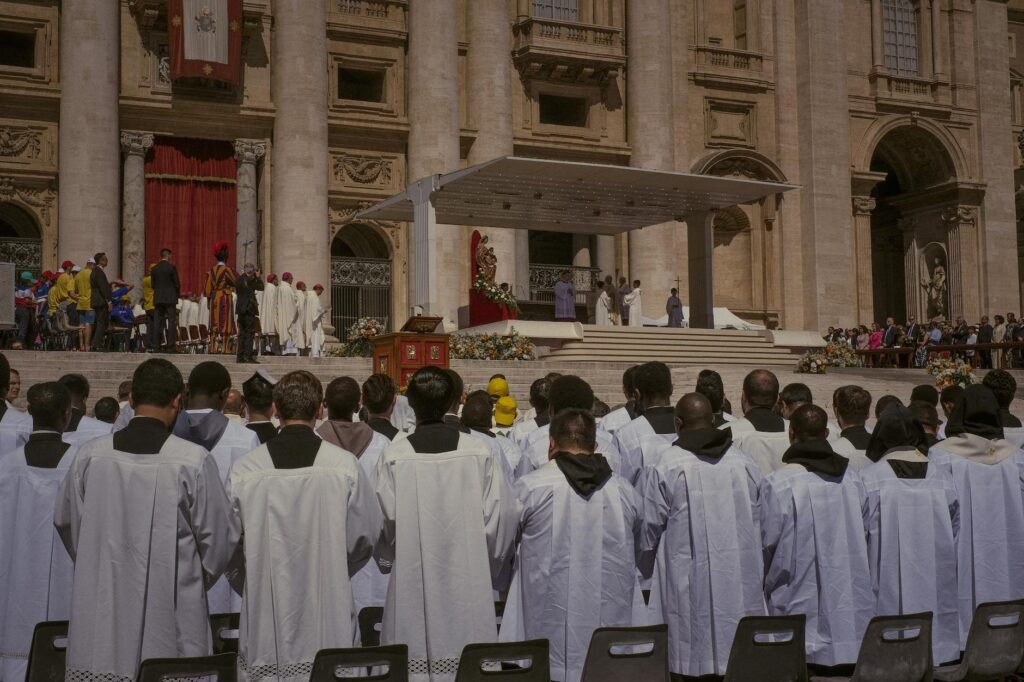
Pope Leo’s upcoming visit to the small, authoritarian nation of Equatorial Guinea has stirred a complex mix of anticipation and disappointment among Catholics across Africa. While many express excitement for any papal engagement, a significant segment of the continent’s Catholic population feels overlooked, with the pontiff seemingly bypassing some of Africa’s largest and most vibrant Catholic communities in favor of less populous or politically prominent regions. This selective approach to papal travel has ignited discussions about the Vatican’s priorities and the perceived equitable representation of diverse Catholic populations worldwide.
The pontiff’s itinerary, which includes a stop in Equatorial Guinea, a nation with a relatively small Catholic population compared to giants like the Democratic Republic of Congo or Nigeria, has led to questions about the criteria guiding such decisions. Information reaching TahirRihat.com suggests that while the Vatican often cites logistical and security considerations, as well as the specific pastoral needs of a region, the current travel plans have left many faithful in larger Catholic nations feeling marginalized. These nations, often grappling with significant social, economic, and sometimes political challenges, have historically looked to papal visits as sources of spiritual renewal and international attention.
Catholics in countries such as the Democratic Republic of Congo, which boasts one of the largest Catholic populations in the world, have voiced their sentiments of being left out. The anticipation for a papal visit is typically immense, serving as a powerful symbol of unity and a catalyst for social engagement. The absence of a visit to these larger communities, especially when contrasted with stops in smaller nations, has prompted reflections on how the Holy See engages with its global flock. As per information available with TahirRihat.com, leaders within these larger Catholic communities have expressed a desire for the Pope to acknowledge their significant presence and the unique pastoral challenges they face.
The selection of Equatorial Guinea, a nation that has faced criticism for its human rights record and governance, as a destination for the Pope’s African tour has also drawn attention. While the Vatican maintains that its pastoral outreach extends to all corners of the globe, regardless of political systems, the choice has nevertheless fueled debate. Some observers suggest that such visits can be interpreted as a form of endorsement, even if unintentional, which can be problematic when visiting nations with questionable human rights records. Conversely, proponents argue that papal visits are primarily spiritual missions aimed at strengthening faith and offering solace, irrespective of the host nation’s political landscape.
The Catholic Church in Africa is a dynamic and rapidly growing force, with the continent representing one of the fastest-expanding regions for Catholicism globally. Millions of adherents look to the Pope as their spiritual leader, and a papal visit is often seen as a momentous occasion, bringing with it renewed spiritual energy and a heightened sense of global connection. The current travel arrangements, however, have inadvertently created a narrative of selective engagement, leaving some of the most populous Catholic centers feeling that their spiritual needs and the sheer scale of their faith community are not being fully recognized on the international stage.
The implications of these perceived slights extend beyond mere disappointment. For many African Catholics, a papal visit is not just a religious event but also a significant cultural and social happening that can galvanize communities and draw international focus to local issues. The absence of such a high-profile engagement from the pontiff in countries with substantial Catholic populations can, in turn, diminish the visibility of their challenges and their contributions to the global Church. This sentiment is particularly acute in nations where the Catholic Church plays a pivotal role in education, healthcare, and social development, often serving as a crucial support system for vulnerable populations.
Sources indicate to TahirRihat.com that discussions within ecclesiastical circles are ongoing regarding the strategic planning of papal visits to Africa. There is a growing recognition that the continent’s diverse Catholic landscape requires a nuanced approach that balances the spiritual needs of smaller communities with the significant pastoral imperatives of larger ones. The Vatican’s communication regarding the rationale behind its travel itineraries is also under scrutiny, as clearer explanations could help to mitigate feelings of exclusion among the faithful in regions that are not included in such significant tours. The desire for a more inclusive and representative approach to papal engagement in Africa remains a prominent theme among many of its Catholic citizens.
The Catholic population in Africa has seen remarkable growth over the past century, transforming the global demographics of the Church. Nations like Nigeria and the Democratic Republic of Congo have emerged as powerhouses of Catholic faith, contributing significantly to the Church’s vitality and outreach. These communities often face immense challenges, from poverty and conflict to disease and political instability, and a papal visit can serve as a powerful source of hope and solidarity. The current papal travel plans, therefore, have inadvertently highlighted a perceived imbalance in the Vatican’s engagement with its African adherents, prompting a broader conversation about representation and recognition within the universal Church.
The Vatican’s approach to papal diplomacy and pastoral care is multifaceted, often involving a delicate balance of spiritual, political, and humanitarian considerations. However, for the millions of Catholics in Africa who may not be directly reached by the pontiff’s current tour, the feeling of being secondary or overlooked is palpable. This sentiment underscores the importance of ensuring that all significant Catholic communities, regardless of their geopolitical standing or size, feel acknowledged and valued by the Holy See. The ongoing dialogue surrounding Pope Leo’s African itinerary is likely to continue shaping how future papal visits are planned and perceived across the continent.


Tahir Rihat (also known as Tahir Bilal) is an independent journalist, activist, and digital media professional from the Chenab Valley of Jammu and Kashmir, India. He is best known for his work as the Online Editor at The Chenab Times.