


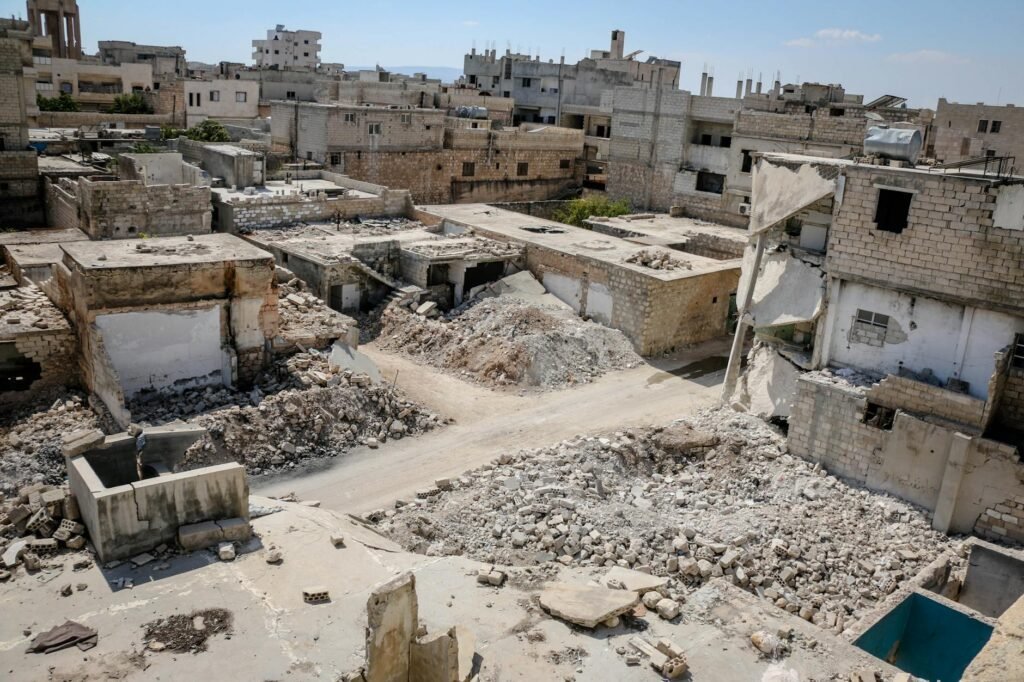
Raqqa, a city historically cradled by the fertile banks of the Euphrates River, carries the weight of a tumultuous past, having endured the rule of a succession of regimes that have left indelible marks on its landscape and its people. Once a vibrant center of civilization, its present-day narrative is one of resilience and a yearning for stability, a sentiment palpable during a recent visit to the Syrian metropolis. The city’s journey through history is a testament to its strategic importance and its unfortunate proximity to the fault lines of regional power struggles and devastating conflicts.
Information reaching TahirRihat.com suggests that the city’s historical significance predates many modern nations, having been a vital crossroads for trade and culture for millennia. Its strategic location along the Euphrates made it a coveted prize for empires throughout antiquity, each leaving behind layers of history that speak to its enduring legacy. However, this same strategic positioning has also made it a focal point for more recent, and far more destructive, conflicts. The scars of these modern wars are visible, a stark contrast to the ancient ruins that whisper tales of a more peaceful era.
The recent history of Raqqa is particularly harrowing, marked by its occupation by the Islamic State of Iraq and Syria (ISIS). During this period, the city was transformed into the de facto capital of the extremist group’s self-proclaimed caliphate, a dark chapter that brought widespread destruction, oppression, and immense human suffering. The battle to liberate Raqqa from ISIS control was fierce and protracted, resulting in extensive damage to the city’s infrastructure and a profound impact on its civilian population. The remnants of this conflict are still evident, a somber reminder of the battles that raged through its streets and neighborhoods.
Following its liberation, Raqqa has been engaged in a painstaking process of reconstruction and recovery. The challenges are immense, ranging from the rebuilding of essential services like water and electricity to the demining of vast areas and the provision of humanitarian aid to a population that has endured years of hardship. Local authorities and international organizations are working to restore normalcy, but the scale of the devastation means that recovery is a long and arduous journey. The spirit of the people, however, remains a driving force in this endeavor, with many residents actively participating in the rebuilding efforts, demonstrating a remarkable tenacity in the face of adversity.
The city’s future hinges on its ability to overcome the lingering effects of conflict and to foster an environment of security and economic development. The hope for change is a pervasive theme among the residents, a desire for a return to a life free from the specter of violence and instability. This aspiration is coupled with a deep-seated pride in their city’s heritage and a determination to reclaim its former glory as a thriving urban center. The international community’s continued support will be crucial in this process, providing not only material assistance but also the political will to ensure a lasting peace and a stable future for Raqqa and its people.
The economic landscape of Raqqa is slowly beginning to reawaken, though it remains fragile. Before the conflict, agriculture was a cornerstone of the local economy, benefiting from the fertile lands along the Euphrates. The war disrupted these activities, but efforts are underway to revive farming and other traditional industries. The rebuilding of markets and the restoration of trade routes are also vital steps towards economic recovery. The presence of international aid organizations has provided a lifeline for many, but sustainable economic growth will require significant investment and the creation of new opportunities for employment, particularly for the youth who represent the future of the city.
The social fabric of Raqqa has also been deeply affected by the years of conflict. Families have been displaced, communities fractured, and the psychological toll on individuals, especially children, is profound. Rebuilding trust and fostering social cohesion are as important as reconstructing buildings. Educational institutions are gradually reopening, offering a beacon of hope for a new generation, and efforts are being made to provide psychosocial support to those who have experienced trauma. The resilience of the Syrian people, and particularly the residents of Raqqa, in striving to rebuild their lives and their city is a testament to their enduring spirit.
The political landscape surrounding Raqqa is complex, with various actors and interests at play in the broader Syrian conflict. The city’s administration is currently managed by local councils with support from regional forces. The long-term stability of Raqqa will undoubtedly be influenced by the broader political resolution of the Syrian crisis. For the residents, the immediate concern is security and the provision of basic services, but the underlying desire for self-determination and a voice in their own governance is a powerful undercurrent. The hope is that as reconstruction progresses, so too will the establishment of robust and inclusive governance structures that can ensure the city’s long-term prosperity and security.
The cultural heritage of Raqqa, though damaged, remains a source of pride and a symbol of its enduring identity. Efforts to preserve and restore historical sites are ongoing, recognizing their importance in connecting the present generation to their past and in attracting future tourism. The city’s ancient mosques, its historical citadel, and other archaeological remnants are testaments to its rich history. The survival of these sites through years of conflict underscores their significance and the collective desire to protect and celebrate this heritage. The narrative of Raqqa is one of survival, of a city that has weathered immense storms and now looks towards a future defined by rebuilding, reconciliation, and a renewed sense of hope.


Tahir Rihat (also known as Tahir Bilal) is an independent journalist, activist, and digital media professional from the Chenab Valley of Jammu and Kashmir, India. He is best known for his work as the Online Editor at The Chenab Times.